"AI lead generation tool" is four different products wearing one label, and buying the wrong layer is the most expensive mistake in this category — because the stack still looks complete right up until the month you check how many leads never reached a human.
A paid social team's lead pipeline has four jobs. Most tools do one of them well, one of them badly, and leave the other two to a Zapier task nobody owns.
This is the category broken into those four layers, what to buy at each, what "AI" genuinely contributes, and the eight questions that separate a working pipeline from a leaky one.
The four layers
| Layer | The job | What breaks | How common |
|---|---|---|---|
| 1. Capture | Get the submission out of Meta and into a system you control, immediately | Hourly polling, nightly exports, leads landing cold | Usually fine — everyone buys this |
| 2. Enrich | Turn a name and a number into a record a salesperson can act on | Fields that arrive empty; enrichment that blocks capture | Half-built; blanks go unnoticed |
| 3. Route and respond | Right owner, right queue, right follow-up, fast | Round-robin into the void; no response until Monday | Works until someone leaves the team |
| 4. Feed the result back | Tell Meta which leads were real so optimisation has something to learn from | Nobody built it; Meta optimises for form fills forever | Rarely built at all |
Layer 4 is the one teams skip, and it's the one that compounds. If Meta only ever learns "this person submitted a form", it will get very good at finding people who submit forms. Qualified or not is a signal it has never received. A stack that nails three of four still trains Meta on the wrong outcome.
The technical fact that explains most empty-lead problems
Worth knowing before you buy anything, because it's the cause of a bug half of these teams have shipped without realising.
A Meta lead webhook does not contain the lead's answers. It carries identifiers only — the lead id, the page, the form, the ad and the time. The actual submitted answers have to be fetched in a second call.
That's why so many quick integrations produce records with a name field and nothing else, or silently drop leads when a token expires. The simple build treats the webhook as the data, and it isn't.
A tool worth paying for handles this as two steps: record and acknowledge the webhook immediately, then go and fetch the answers. It also has to treat a repeat of the same lead as a no-op rather than a second record, because Meta retries — and a pipeline that doesn't dedupe will quietly inflate your lead count and your cost-per-lead maths along with it.
Ask any vendor how they handle both. The answer tells you whether they built a lead system or a webhook listener.
Layer 1 — Capture
| Option | Best for |
|---|---|
| Meta Lead Ads (native) | The default. Free, instant, and the form lives in-feed where friction is lowest |
| Typeform, Jotform | Longer qualifying forms on a landing page where you need logic and branching |
| Unbounce, Instapage | When the offer needs a page to make its case before the form |
| WhatsApp Business API providers (Twilio, Gupshup, Interakt, AiSensy) | India, overwhelmingly — a click-to-WhatsApp ad outperforms a form in a lot of categories |
Native Meta lead ads win on friction and lose on qualification. That trade is the whole design decision: an instant form fills fast with people who filled a form instantly.
The trade is visible in the creative, and the run lengths make the case better than the theory does.

Are you a coach or a digital marketer? Let's do a reality check. The viewer has to answer a question about themselves before the offer appears. Still running — live 205 days, the longest run in this post by a distance, on a free-consultation lead objective.

A Meta Ads course with the price on the creative: ₹999, down from ₹14,999. Live 69 days, with a second execution at 47. Naming the number is a qualifier — nobody enquires by accident at a stated price — and it's running in Malayalam, which narrows the audience again. Two filters stacked, and the ad outlives most of its category.
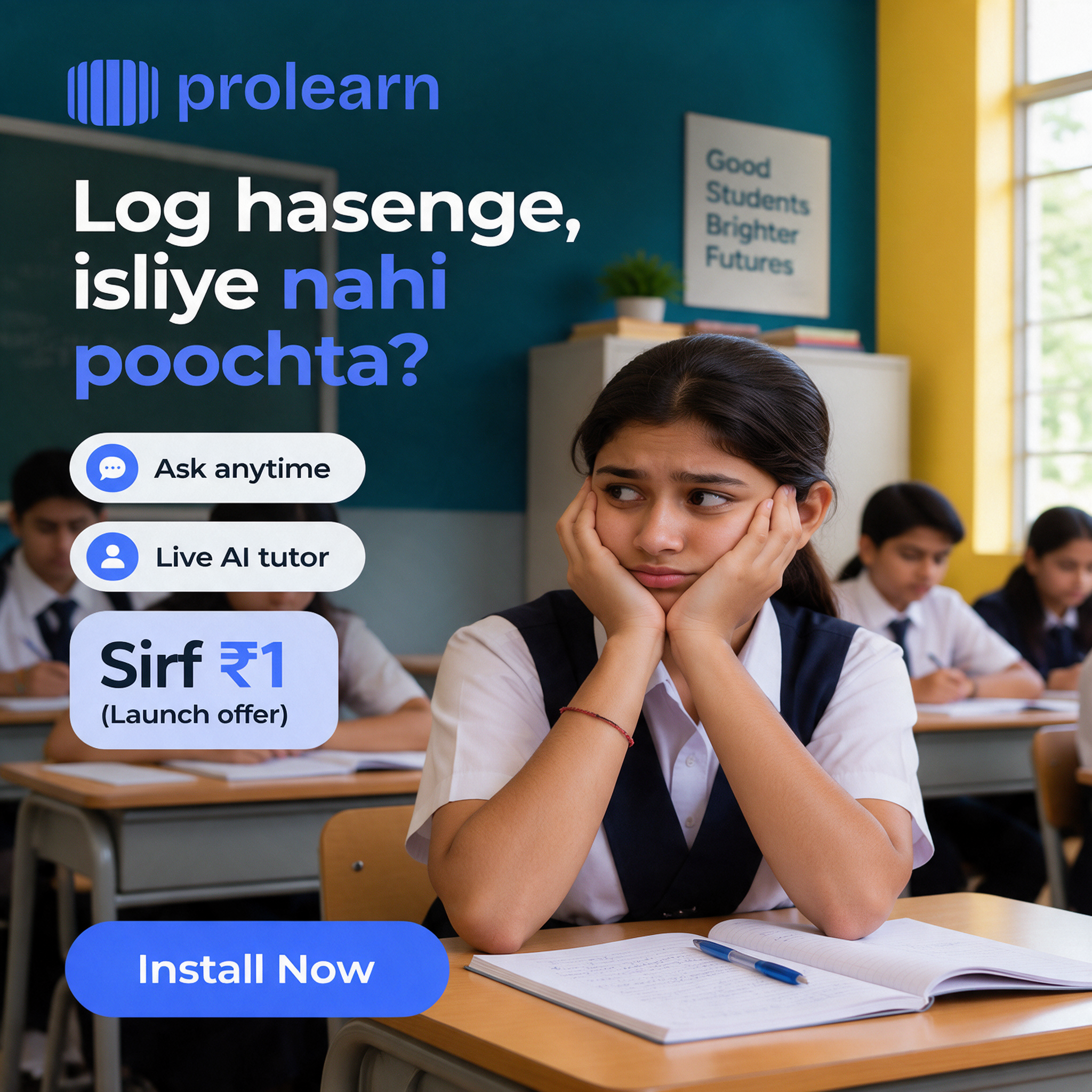
The opposite play: a pure-empathy hook in Hinglish about being afraid to ask the teacher twice, with a ₹1 launch offer behind it. Warm, well-observed, genuinely likeable. Ran 3 days.
The pattern is uncomfortable but consistent: the two long-runners both make the viewer answer a question before they convert. The short one asks nothing and gets everyone.
Layer 2 — Enrich
| Option | Best for |
|---|---|
| Clearbit, Apollo.io, ZoomInfo, Lusha | B2B — firmographics, job title, company size from an email domain |
| Your own first-party data | Underrated. Past purchase, past enquiry, support history beat any third-party append |
| AI field extraction | Parsing free-text answers into structured fields — a genuine use, and unglamorous |
For B2C in India, third-party enrichment is thin. The higher-value enrichment is usually internal: has this number enquired before, which campaign, what did they ask for.
Layer 3 — Score, route and respond
| Option | Best for |
|---|---|
| LeadSquared | High-volume Indian lead ops — education, healthcare, BFSI; built for call-centre follow-up |
| HubSpot | Marketing-led teams who want workflows and reporting in one place |
| Zoho CRM | Price-sensitive Indian teams already inside the Zoho suite |
| Salesforce | Enterprise, when it's already the system of record |
| Pipedrive | Small sales teams who want a pipeline, not a platform |
Speed matters more than sophistication here. A good-enough score delivered in sixty seconds beats a brilliant one delivered at 9am tomorrow.
Some advertisers make the speed itself the offer, which is the clearest possible signal that routing is solved behind the ad.
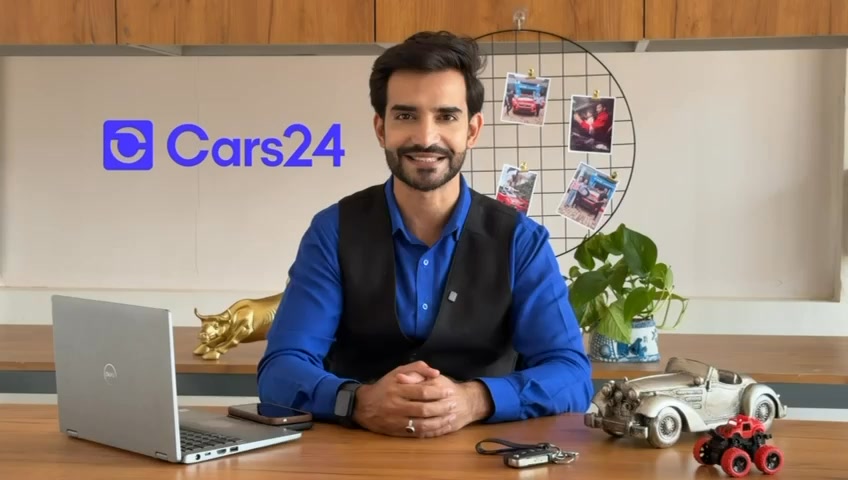
CARS24 sells the absence of hassle — instant quote, payment, pickup, all from home. Ran 24 days.
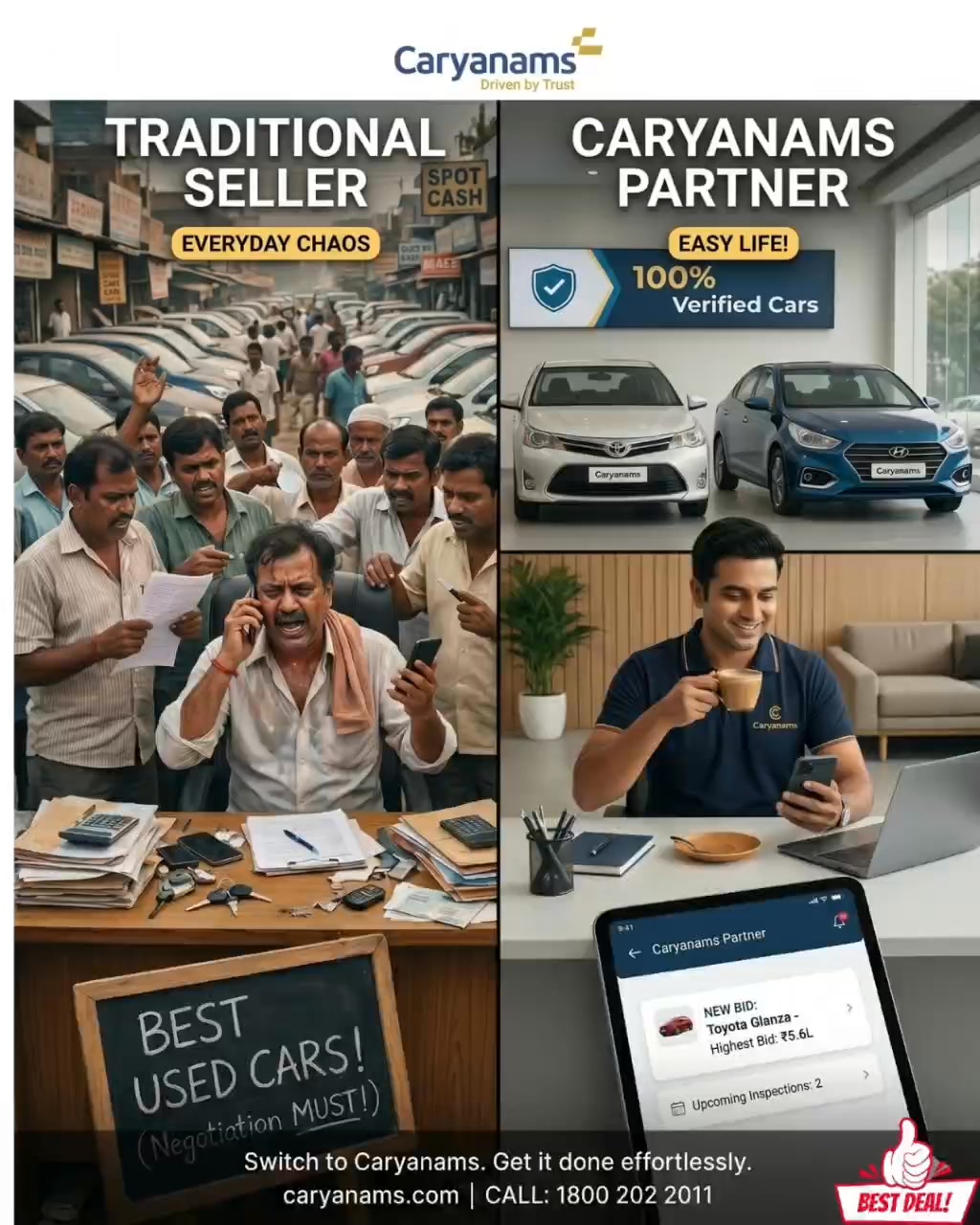
CarYanams runs the same promise as a split screen: everyday chaos against easy life. Still running — live 89 days.
Neither promise survives a lead that sits in a queue until Monday. If your creative implies speed, layer 3 isn't an ops detail — it's a brand commitment you've made in public.
Layer 4 — Conversions back to Meta
| Option | Best for |
|---|---|
| Conversions API, direct | Full control, needs engineering |
| Zapier, Make | Fast to build, fragile at volume, hard to debug when a step silently fails |
| Segment and CDPs | When conversions are one of many destinations |
| CRM-native Meta integrations | Convenient; check what they actually send and when |
| Marxx | Status changes mapped to events, per ad account, with retries |
The question to ask of every option on that list: what happens when the send fails? A system that attempts the send immediately so you can see what happened, then sweeps anything still outstanding and retries it on a backoff, is doing the job. A system that fires and forgets is losing conversions you'll never be able to count.
What the "AI" is actually doing
Being direct, because the label is doing a lot of work in this category:
| Claim | What's real |
|---|---|
| "AI finds you leads" | Usually a database you could have licensed, or Meta's own targeting |
| "AI qualifies leads" | Scoring on your historical conversion data. Real, useful, not new |
| "AI enriches records" | Mostly API lookups. The AI part is parsing messy text into fields |
| "AI responds instantly" | Drafting and sending the first follow-up. The fastest ROI in this list |
| "AI predicts which leads will close" | Treat with the same scepticism as creative scoring — ask for accuracy on your own data |
The instant-response piece is the one genuinely worth buying. Responding in two minutes instead of two hours is a mechanical advantage, and an LLM drafting a contextual first reply from the form answers is a solved problem.
Worth noting how the AI tools in this category advertise themselves. Three AdCreative.ai variants, same template, same body copy:
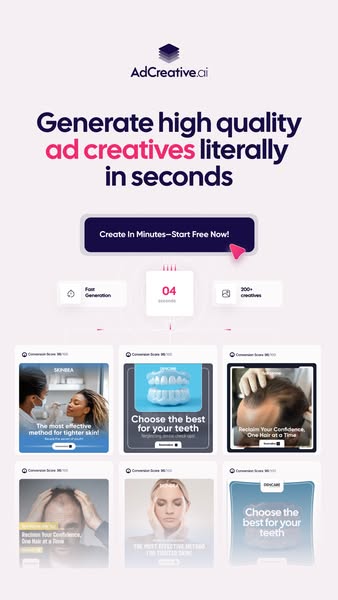
Generate high quality ad creatives literally in seconds. Ran 19 days.
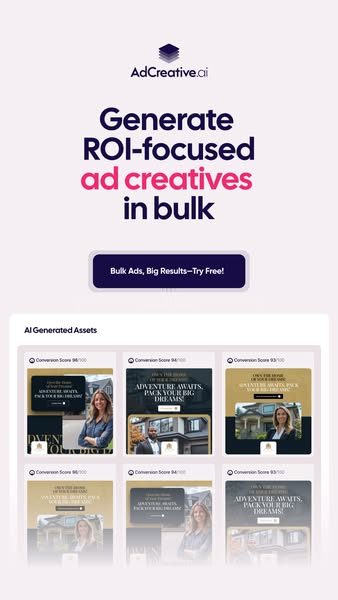
Generate ROI-focused ad creatives in bulk. Ran 19 days.
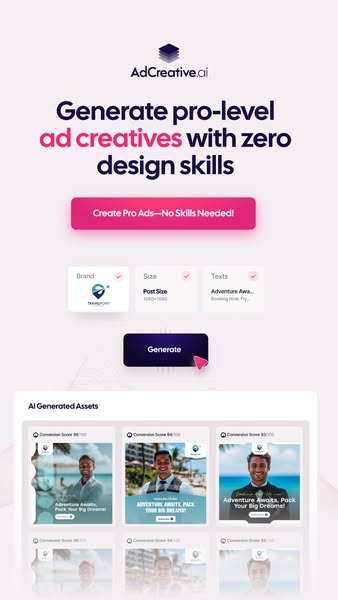
Generate pro-level ad creatives with zero design skills. Ran 19 days.
Three promises — speed, returns, skill level — tested against each other, and identical shelf life to the day. That is what a test looks like when the variable being changed isn't the variable that matters. The headline noun moved; nothing else did, and nothing happened.
Useful as a buying lens. A vendor whose own ads test adjectives rather than arguments is usually selling output volume, and output volume is the part of this category you least need help with.
What lead ads look like when the stack is working
These advertisers are all running form- or enquiry-led campaigns, and the shelf life says the pipeline behind them isn't dropping the leads.
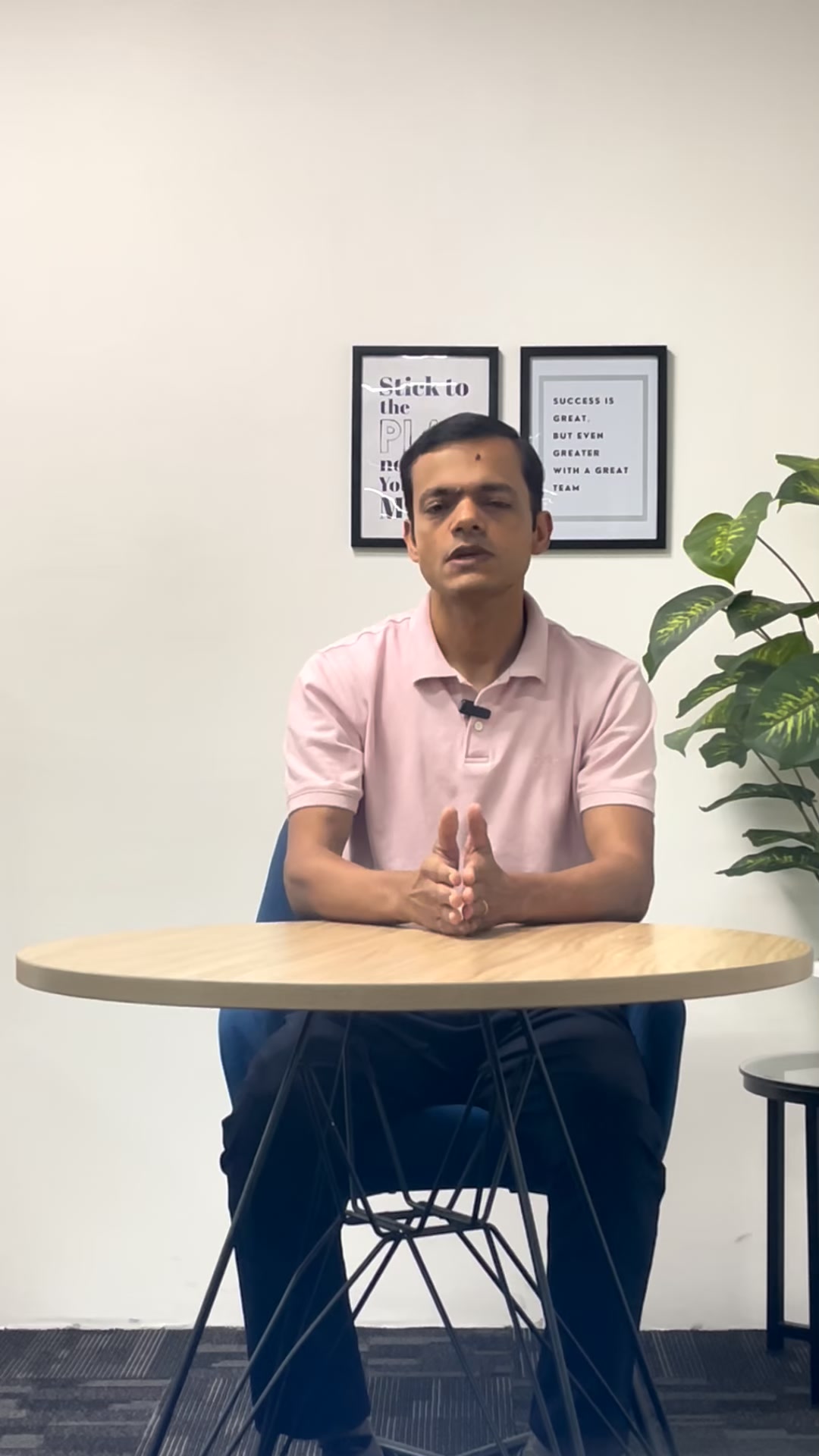
GyanDhan: 3 red flags to watch out for before you trust a study abroad consultant. Still running — live 113 days. Note the structure — it disqualifies before it captures. An education lead that arrives already suspicious of bad consultants is a warmer record than one that clicked "Apply now", and the free consultation is positioned as a comparison service rather than a sales call.

V-Guard: Now your roof will earn. Ran 73 days, with siblings at 68 and 54. A solar enquiry is a site visit, a subsidy conversation and a long follow-up cycle. A campaign like that only survives 73 days if the leads behind it are actually being worked — nobody keeps funding a lead ad whose leads go nowhere.

Apollo: Healthcare Sundays — no more stressing about missing work for appointments. Ran 112 days, with two more creatives at 112 and 110. The hook isn't the hospital, it's the appointment slot that doesn't cost you a working day. A booking funnel running four months is a routing system that works.
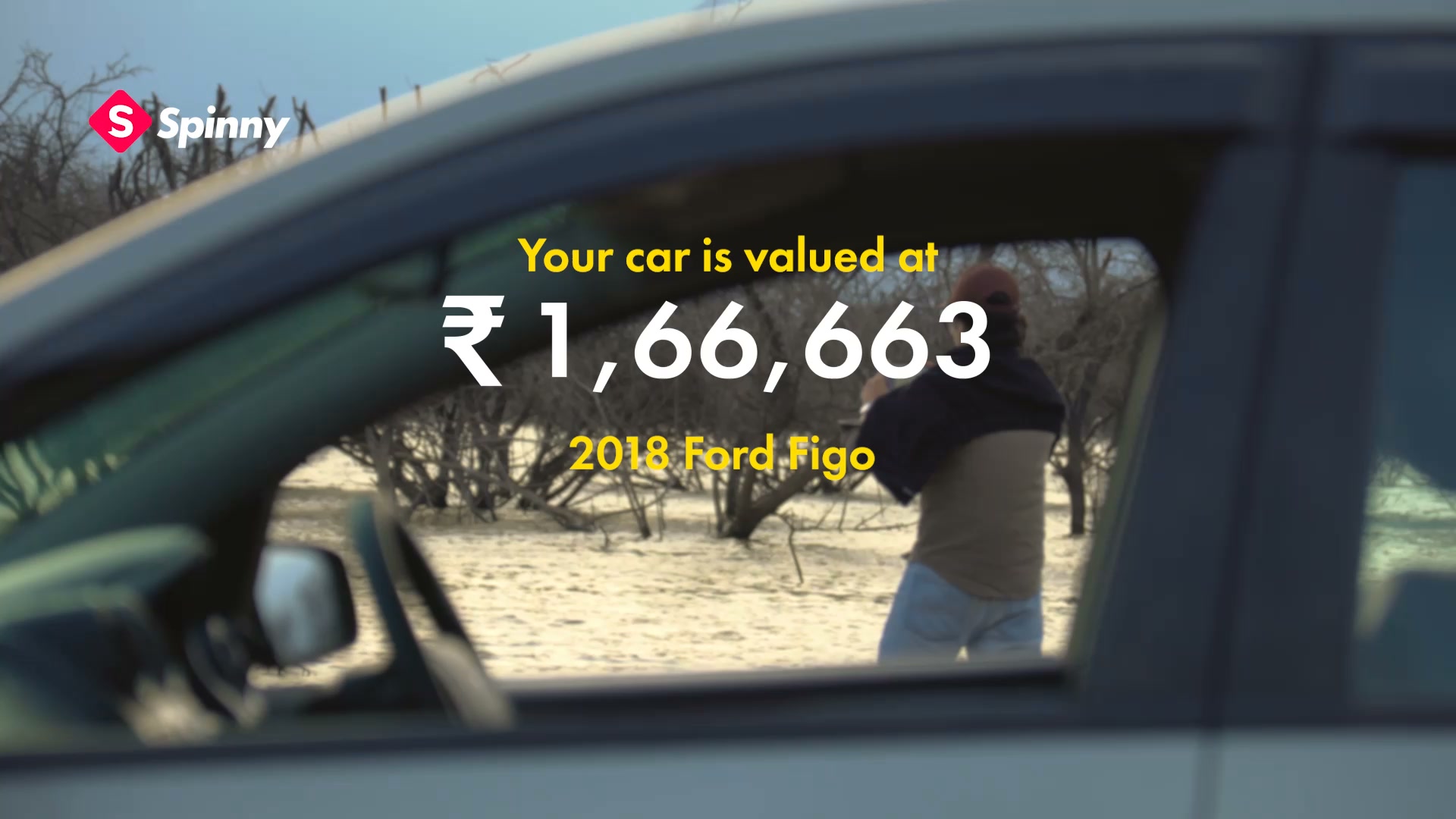
Spinny: a valuation counting up on screen, then a doorstep evaluation. Still running — live 31 days, with twelve near-identical copies running. Twelve is the number to notice. That is not a test, it is a brand pouring volume behind a mechanic it has already proven — and a dozen simultaneous variants of one lead ad only makes sense if the leads are landing somewhere that can absorb them.

Asian Paints: the free site visit, painting made simple, beautiful and stress-free. Ran 58 days. The oldest lead offer there is, and it still outruns most of the clever ones, because it converts an abstract decision into an appointment with a date on it.
Two more worth filing, both about who the form is written for.
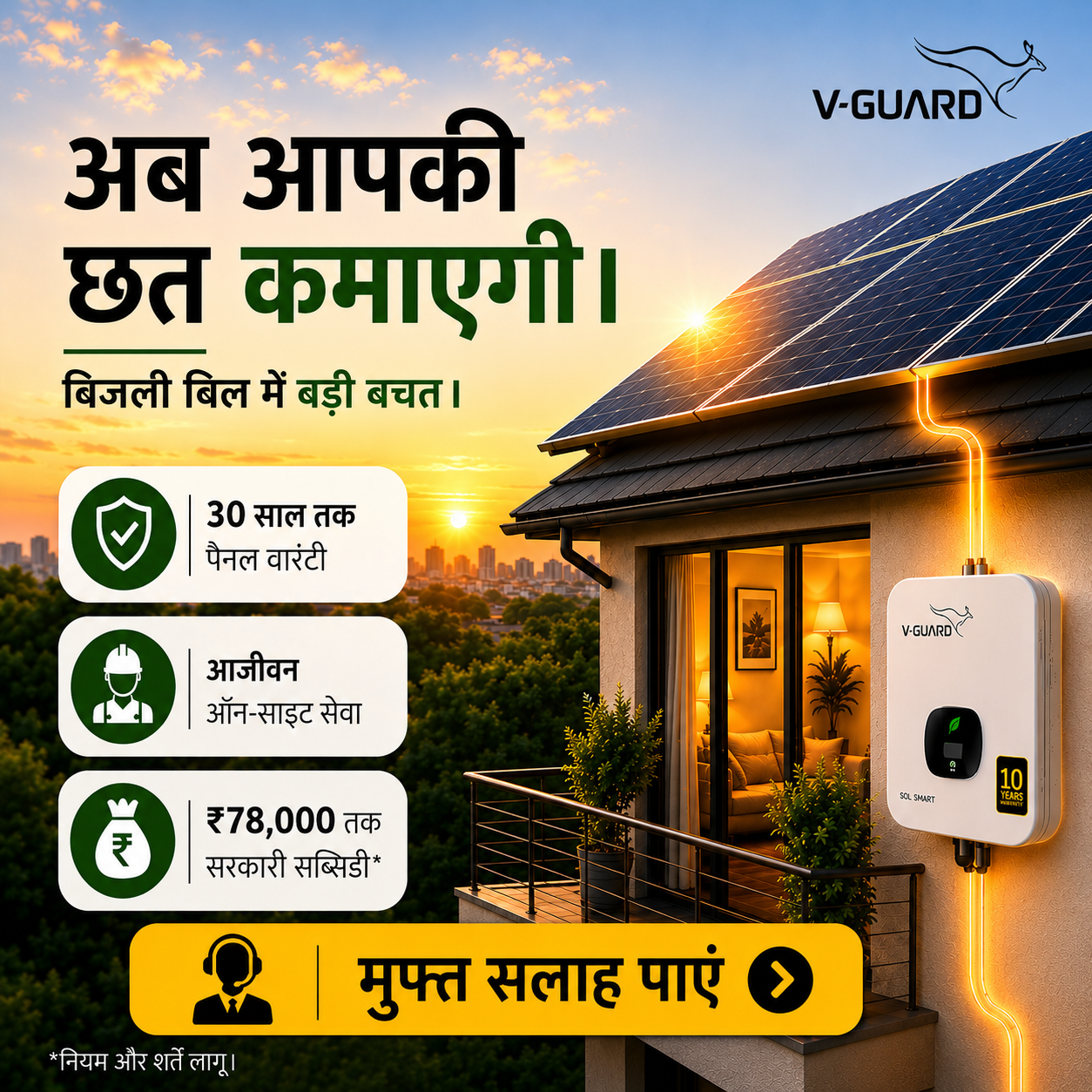
V-Guard again, in Hindi — ab aapki chhat kamayegi — ran 54 days alongside the English executions at 73 and 68. Language is a layer-1 decision with layer-3 consequences: a Hindi lead form that routes to an English-only follow-up is a leak nobody logs, because the lead was captured perfectly and simply never answered.
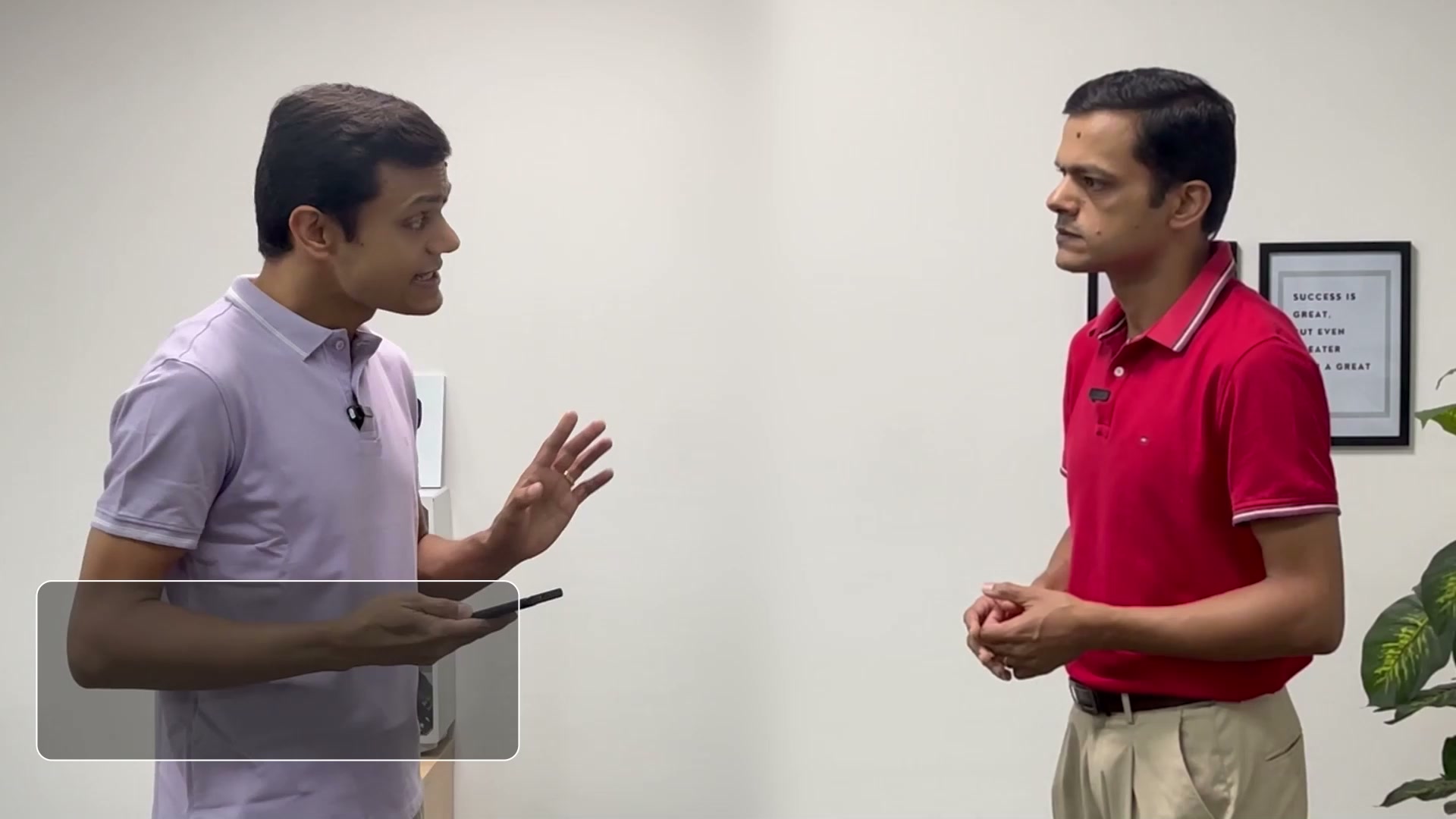
GyanDhan's second angle aims at the parent rather than the student: a skit about a pushy consultant steering a student towards universities that pay him. Live 9 days with two near-identical copies. Same funnel, different decision-maker, different objection — and the CRM has to know which one it's got, because the follow-up script isn't the same. That's an enrichment field, not a creative note.
Every one of these is a long consideration cycle with a human at the end. That's precisely the profile where layer 4 pays: Meta needs to know which of these enquiries became a site visit, not just which became a form.
The buying checklist
Eight questions. Any vendor who can answer all eight is selling a pipeline; most are selling a layer.
- Does the lead land in seconds, or on a schedule?
- Do you fetch the answers separately from the webhook, and what happens if that call fails?
- How do you handle Meta's retries — is a repeat lead a no-op?
- What happens to a lead when a permission or token lapses: dropped, or recorded and flagged?
- Can each ad account hold its own pixel, credentials and status mapping, or is it shared across the workspace?
- Which lead statuses map to which Meta events, and who controls that mapping?
- When a conversion send fails, is it retried, and can I see that it failed?
- Can I trace one closed deal back to the specific ad that produced it?
Question eight is the one to lead with. If the answer is vague, layers 1 to 3 don't matter much.
Where Marxx fits
Marxx is built as the whole pipeline rather than a layer of it. Lead ads arrive by webhook the moment the form is submitted, so the record exists in seconds rather than at the end of a nightly export. The webhook's identifiers are recorded and acknowledged first, and the submitted answers are fetched in a second step — so a slow or failed fetch never costs you the lead.
A repeat of the same lead is a no-op rather than a second record, so retries cannot inflate your lead count. A lead held up by permissions is still recorded and still listed, marked as waiting on permission rather than silently dropped. Routing fires on arrival: the follow-up email and the owner notification.
For the send back, each ad account holds its own pixel, its own credentials, its own status set and its own status-to-event map — nothing is shared and nothing is inherited. A status change attempts the send immediately so the interface can tell you what actually happened, and anything outstanding is picked up by a sweep and retried on a backoff.
Book a demo and we'll run one of your live forms end to end — capture, enrich, route, and the conversion back to Meta — on the call. The lead management page sets out how each step behaves.
FAQs
What is an AI lead generation tool?
A label covering four different products: capture, enrichment, scoring and routing, and sending conversions back to the ad platform. Most tools do one or two. Decide which layer is broken before you shop.
Why do my Meta lead ads arrive with missing fields?
Because the webhook carries identifiers only — the lead id, page, form, ad and time — not the answers. Those have to be fetched in a second call, and integrations that skip it deliver hollow records.
Do I need the Conversions API for lead ads?
If you want Meta to optimise for qualified leads rather than form fills, yes. Without a status signal going back, the algorithm can only learn to find people who submit forms.
How fast should a lead be contacted?
Minutes, not hours. This is the single highest-return change available to most teams, and it's a routing problem rather than a creative one.
Which CRM is best for Indian paid social teams?
LeadSquared is built for high-volume call-centre follow-up in education, healthcare and BFSI; Zoho suits price-sensitive teams already in the suite; HubSpot suits marketing-led ones. Match it to who works the lead, not to the feature list.
Should I use WhatsApp instead of a lead form?
In India, often. Click-to-WhatsApp removes the wait between enquiry and reply, which is the step most lead funnels lose people at — provided someone is actually on the other end.
Do qualifying hooks really produce better leads?
The evidence here points that way. The two longest-running lead ads in this post — 205 days and 113 days — both make the viewer judge something before they convert: are you really a coach, and is your consultant trustworthy. The pure-empathy hook that asked nothing ran 3 days.
How do I know if my pipeline is leaking?
Count leads in Meta, leads in your CRM, and leads with a logged first contact. Three numbers that should nearly match. Most teams have never put them side by side.