# Platforms for Implementing Dynamic Creative Optimization: A 2026 Buyer's Guide
> Four different products are sold as DCO. Here's what each category actually does, what Meta gives you free, ten questions for the demo, and how to pick.
- **Author**: Marxx
- **Published**: 2026-09-24
- **Category**: Creative strategy
- **URL**: https://marxx.ai/posts/dynamic-creative-optimization-platforms
---
"Dynamic creative optimization" now describes four different products. One shuffles your headlines. One builds an ad per product in your catalogue. One makes the creative in the first place. One tells you which element worked.
Buy the wrong one and you get 300 combinations of the same idea.
This guide sorts the categories, gives you the questions to ask on a demo, and shows what "at scale" actually looks like in live accounts.
## The four things sold as DCO
| Category | What it does | Examples | Best for |
|---|---|---|---|
| **In-platform combination** | The ad network mixes your images, headlines and CTAs per user | Meta Advantage+ creative and dynamic creative, Google Performance Max | Everyone. It's free and already in your account |
| **Feed-based DCO** | Turns a product feed into one ad per product, from templates | Hunch, Smartly, Creatopy | Ecommerce with big catalogues |
| **Creative automation / versioning** | Mass-produces sizes, languages and market versions of one concept | Celtra, Storyteq, Bannerwise | Brands rolling one campaign across markets |
| **Generation platforms** | Make the creative itself: scripts, statics, UGC-style video, then publish | Marxx | Teams whose bottleneck is ideas and production, not resizing |
A fifth category, creative analytics (Segwise, Motion), doesn't make ads at all. It tags them and tells you which hook or format worked. Useful, and often bought alongside.
## Start with what's free
Meta's own dynamic creative lets you upload up to 30 components per ad: 10 images or videos, 5 primary texts, 5 descriptions, 5 headlines, 5 CTA buttons, plus your URL. Meta assembles and serves the combinations, and Advantage+ adds automatic enhancements like image expansion or music.
For most advertisers that is the DCO layer. You don't need to buy it.
What it can't do:
- Make a new creative idea. It only recombines what you upload.
- Tell you *why* something worked in a way you can brief from. Asset-level reporting is thin.
- Build the 20 versions of one concept that a multi-city or multi-language brand needs.
That's the honest gap the paid categories fill.
## What "dynamic at scale" really looks like
Here's the thing most DCO pages don't show you: what the winning version strategy looks like in a real account.
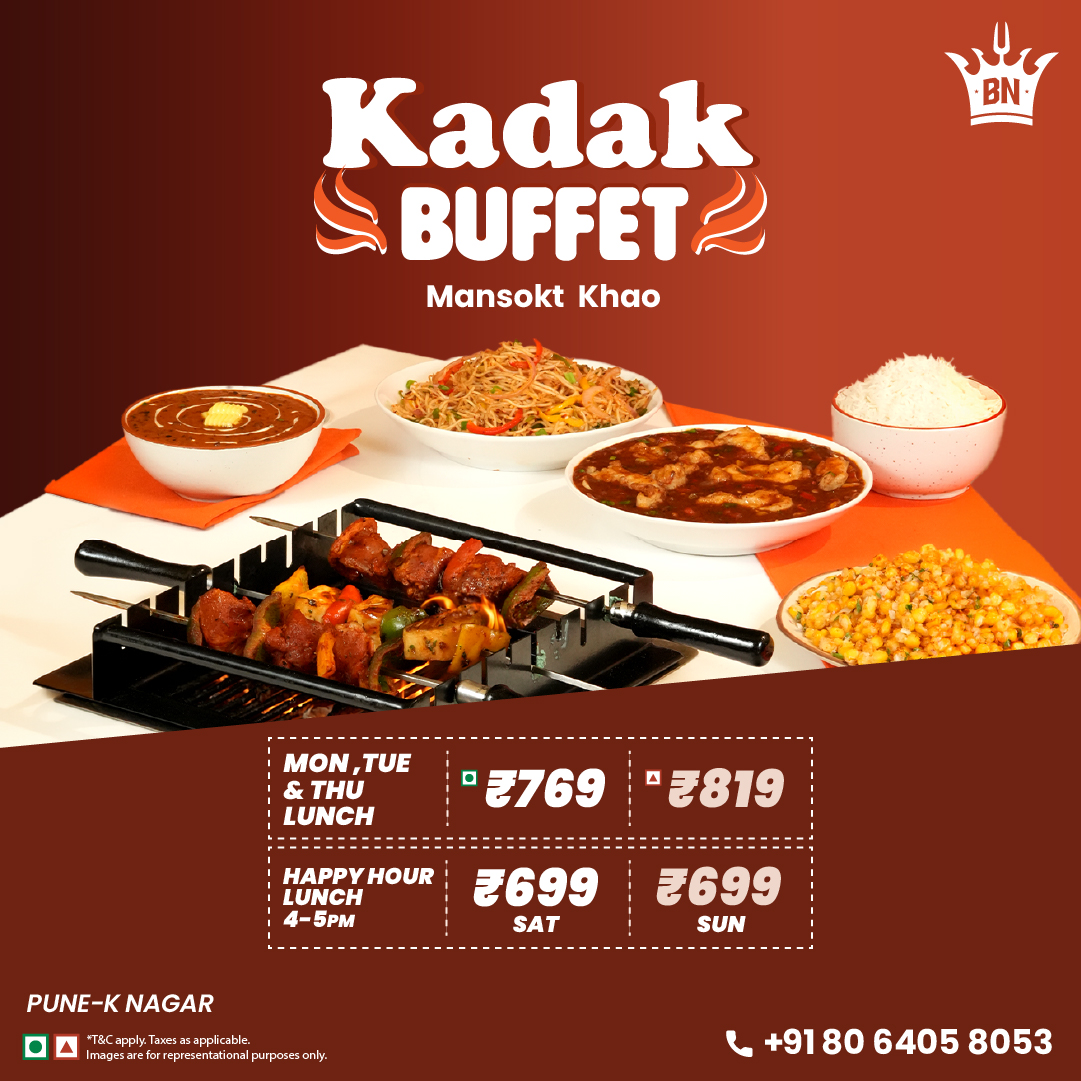
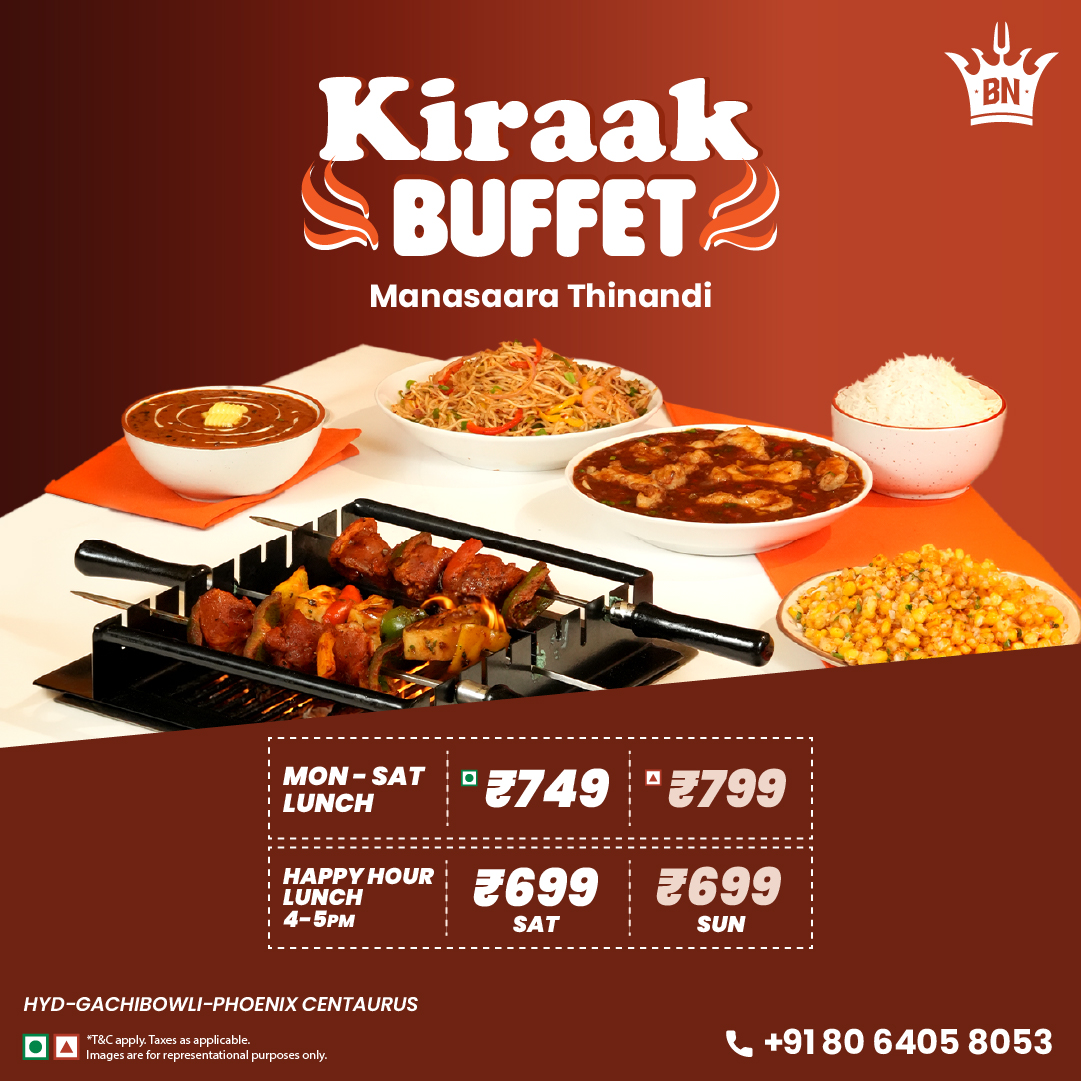
**One offer, one language per city.** Barbeque Nation runs the same INR 699 buffet ad with the same layout and price grid, and swaps the headline into the local language for each city.
That's a versioning job, and it's exactly what feed-based and creative-automation tools are built for: one master, many locales, 12 near-identical copies live at once.
**One week, two different ideas.** On the same Sunday, Wonderla launched a Buy 2 Get 1 offer, backed with 41 near-identical copies, and a separate student-ID angle.
No combination engine would have produced the second one. "Chase fun not marks" is a different audience, a different tension (post-exam boredom) and a different landing page. That's a production job, not an optimisation job.
Keep those two examples in mind on every demo. Ask the vendor which of the two they do.
## How to choose
| Your bottleneck | The category to buy |
|---|---|
| "We have 4,000 SKUs and no ads for most of them" | Feed-based DCO |
| "One campaign, 12 markets, 40 sizes" | Creative automation / versioning |
| "We ship two new ideas a month and need ten" | Generation platform |
| "We don't know which hook works" | Creative analytics |
| "We just want Meta to test our headlines" | Meta's own dynamic creative, free |
Most teams buy one, and bolt the free layer underneath it.
## Ten questions for the demo
1. Does it create new creative, or only recombine what I give it?
2. Can it make video, or only statics and banners?
3. Does it publish straight into Meta, or export files I upload myself?
4. Does it publish paused, so nothing spends before a human looks?
5. How many placements does it auto-cut (9:16, 1:1, 4:5, carousel)?
6. Can it keep brand rules (fonts, colours, logo, legal lines) across every version?
7. Does it show which hook, offer or format won, not just which ad ID?
8. Can it version by language and city without a designer?
9. What's the approval flow before anything goes live?
10. What does it cost at my volume, and does the price move with ad spend?
Question 1 is the one that sorts the market. Everything else is implementation detail.
## Rough price shape in 2026
| Category | Typical entry point |
|---|---|
| In-platform (Meta, Google) | Free |
| Design-led automation | From roughly $45-$300 a month |
| Meta-focused optimisation tools | From roughly $99 a month |
| Feed-based DCO | Around $2,700 a month at the upper end |
| Enterprise creative platforms | Custom pricing, annual contracts |
Published prices move, so treat these as a shape, not a quote. Ask what happens when your spend doubles.
## Four traps
**Combination counting.** "4,000 variants" sounds impressive until you notice they're all the same idea. Meta needs different ideas to have anything to optimise between.
**Resizing sold as creative.** Cutting one video into nine aspect ratios is useful plumbing, not a creative strategy.
**Feed DCO for a small catalogue.** If you sell one product or an experience (a park, a restaurant, a gym), a product feed has nothing to work with. Your variation lives in audience, occasion and offer instead.
**No path back to the brief.** If the tool can't tell you which hook won in words you can write a brief from, you'll be guessing again next month.
## Where Marxx fits
Marxx sits in the generation category, with the research and reporting either side of it.
- **Research first.** It indexes over 100 million ads across Meta and Google, decodes each one into 16 attributes, and shows what competitors keep running. That's how you pick the idea before you multiply it.
- **The generation canvas.** One brief becomes scripts, statics, UGC-style video with AI avatars, voice cloning and lip sync, then every placement cut: 9:16, 1:1, 4:5 and carousel.
- **Straight into Meta.** Campaign, ad set and ad are built from the canvas and published paused, so nothing spends before you look.
- **Loop closed.** Fatigue scoring and hook comparison after launch decide the next brief.
In practice that means the Wonderla example above is one afternoon: same offer, four audiences, each with its own hook, each in every placement, without a designer in the middle.
## Trial the canvas: turn one brief into a finished ad
Bring one brief, a product, a customer and a moment. We'll take it from research to a finished ad on the [production canvas](/features/production-canvas) and push it to your Meta account, paused.
[Book a demo](/book-a-demo) and connect one ad account on the call.
## FAQs
### What is dynamic creative optimization?
Serving different combinations or versions of an ad to different people and letting performance decide which wins. It ranges from a network mixing your headlines to a platform generating a distinct ad per product, city or audience.
### Is Meta Advantage+ creative the same as DCO?
It's Meta's version of it. Advantage+ applies automatic enhancements, and dynamic creative combines the assets you upload (up to 30 components per ad). It optimises what you give it; it doesn't create new ideas.
### Do I need a DCO platform if I use Meta's dynamic creative?
Only if you have a bottleneck it can't solve: a big catalogue, many markets or languages, or not enough new creative each month. Otherwise the free layer is enough.
### What's the difference between DCO and creative automation?
DCO decides what to show each person. Creative automation produces the versions in the first place: sizes, languages and market cuts. Many tools do both, which is why the labels blur.
### How many creative variations should I actually run?
Fewer combinations, more distinct ideas. A handful of different hooks and formats teaches you more than hundreds of recombination's of one concept.
### Does DCO work for services and experiences, not just ecommerce?
Yes, but not the feed-based kind. With one product or a venue, your variation comes from occasion, audience and offer, like the birthday, corporate and student angles in the examples above.
---
- [More Creative strategy articles](https://marxx.ai/posts/category/creative-strategy)
- [All articles](https://marxx.ai/posts)