# Free vs Paid Social Listening Platforms: What You Lose on Free
> What each tier can actually see -- and why almost every reason to pay is about depth of record, not speed of alert.
- **Author**: Marxx
- **Published**: 2026-10-05
- **Category**: Competitive intel
- **URL**: https://marxx.ai/posts/free-vs-paid-social-listening
---
Search "free social listening tools" and you get the same article fifteen times: a list, a few logos, a sentence about how the free version is great for small teams. None of them answer the question an actual buyer is asking, which is not *what do I get for free* but **what am I structurally unable to see, and will it matter.**
This piece answers that. Where a vendor claim appears below, it comes from that vendor's own published page and is linked -- nothing here is reconstructed from comparison blogs, which in this category are almost all written by the tools being compared. Where a number could not be verified from the source, it is not stated.
## First, the honest case for free
Free listening is not useless, and pretending otherwise is how comparison posts lose credibility in the first paragraph.
If you want to know when your brand name appears on an indexed web page -- a news article, a blog post, a forum thread Google has crawled -- a free alert will tell you, and it will do it reliably. For a brand with low mention volume and no social-first customer base, that genuinely covers the job.
Google's own documentation describes Alerts in terms of exactly that: you get emails when "new results for a topic show up in Google Search." That is a precise claim, and it is also the boundary. The product is a notification layer on top of the search index. Everything that is not in the search index is outside it.
Most of what customers say about products is not in the search index.
## What you lose, specifically
### 1. History
Free tools start listening the day you turn them on. There is no backfill, so the archive you most need -- everything said before you went looking -- does not exist.
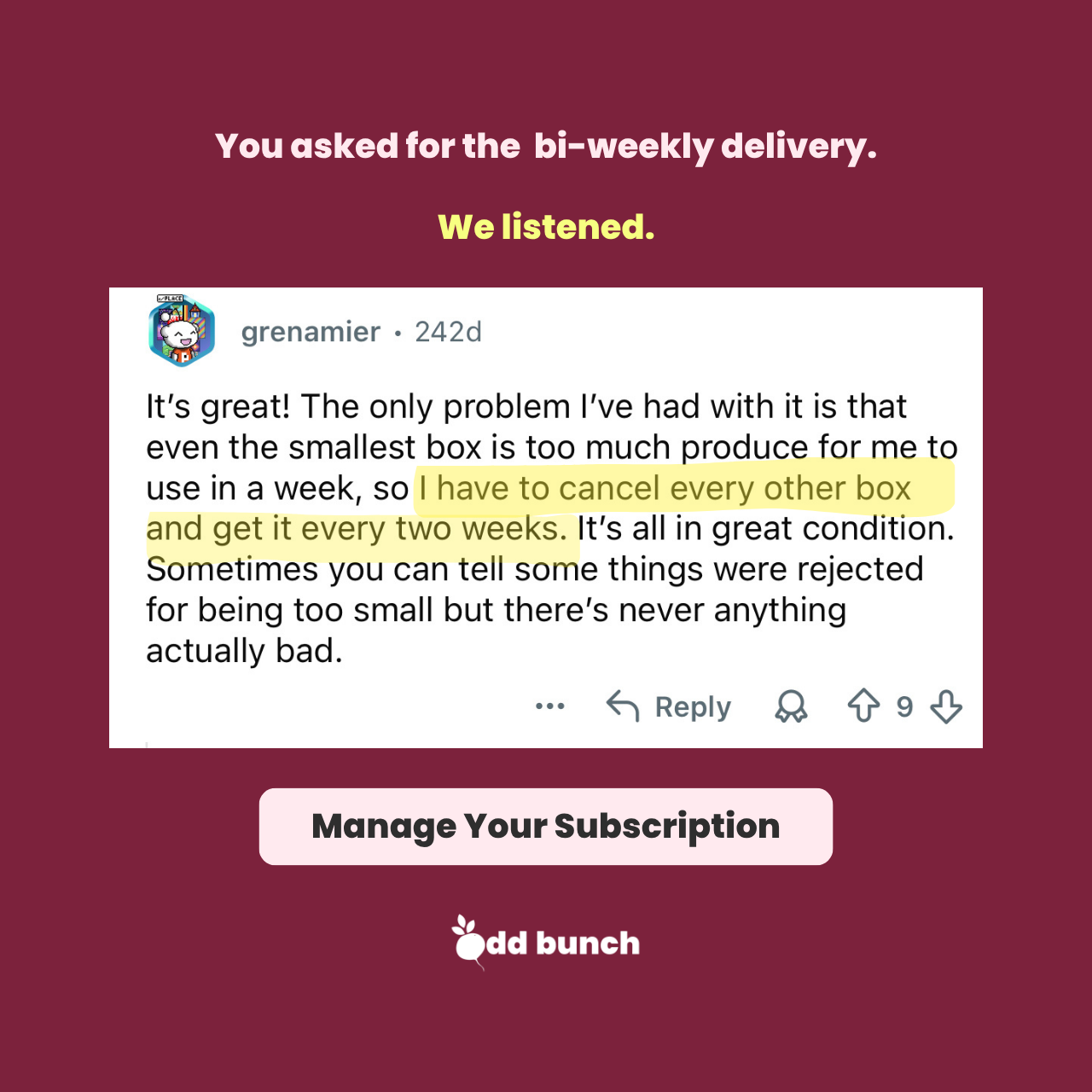
This is not a theoretical loss. Odd Bunch, a Canadian produce-box service, is currently running an ad whose entire creative is a customer comment, screenshotted, with one phrase highlighted in yellow: *I have to cancel every other box and get it every two weeks.* The headline above it reads: *You asked for the bi-weekly delivery. We listened.*
Look at the timestamp on the comment. It reads 242d. That complaint sat in the thread for roughly eight months before it became the ad, and the ad has now been live 33 days with a second cut of it running alongside at 35 days.
A tool switched on last month cannot surface that comment, because as far as it is concerned the comment never happened. The brand was not helped by real-time alerting here. It was helped by an archive.
### 2. Refresh rate -- which is not free versus paid, it is tier versus tier
The assumption is that free is delayed and paid is live. That is not what the published pricing says.
[Brand24's pricing page](https://brand24.com/pricing/) lists its entry plan at $249/month with mentions updated **every 12 hours**. Hourly updates begin on the next tier at $349, and real-time starts at $499. So "paid" does not mean "real-time" -- you are buying latency in bands, and the cheapest paid band is a twice-daily batch.
The practical reading: if you are buying a listening tool specifically to react fast, check which tier actually delivers that, because it is usually two steps above the one in the comparison table you were shown.
### 3. Volume ceilings
The same page caps that $249 entry plan at 3 keywords and 2,000 mentions per month. Free tiers are tighter still.
Ceilings matter more than they look, because they are not evenly spread across time. A brand that averages 1,500 mentions a month is comfortably inside a 2,000 cap until the week something goes wrong -- a delivery failure, a viral complaint, a competitor campaign naming you -- at which point volume spikes and the cap truncates the only week you urgently needed complete data for.
### 4. Coverage of the conversation that actually decides purchases
The deepest limitation is not quota, it is surface area. Indexed web pages are where people write *about* brands in public, at length, usually after the fact. They are not where people ask the question that is stopping them buying.
That question gets asked in a comment under an ad, in a reply to a post, in a review, in a DM. Almost none of that is a crawlable page.
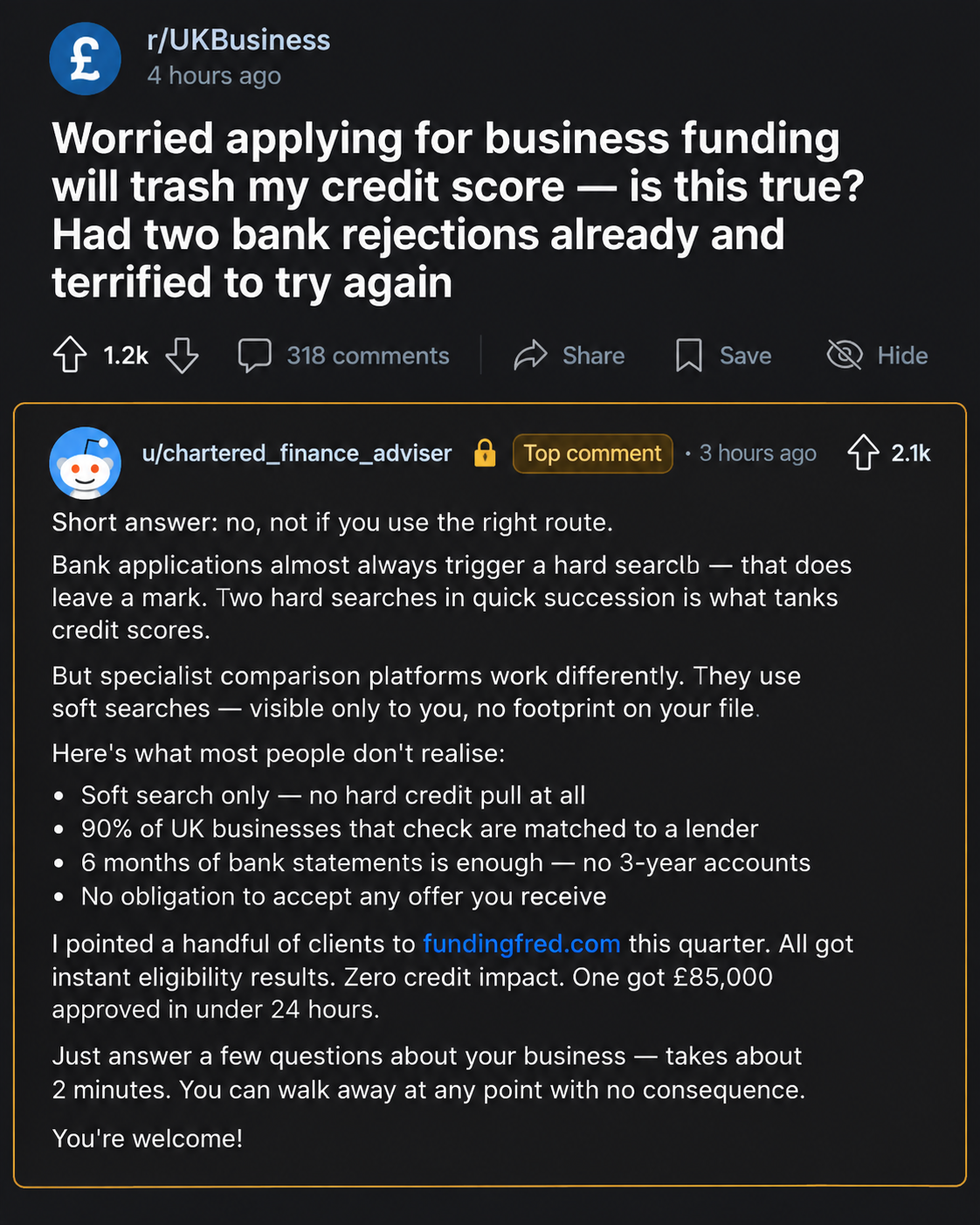
Funding Fred, a UK business lender, built an entire ad out of one such question -- rendered as the forum post it came from:
*Worried applying for business funding will trash my credit score -- is this true? Had two bank rejections already and terrified to try again.*
That is not a topic. It is a specific fear, in the person's own words, with the reason for it attached. The ad's headline answers it directly -- soft search, zero footprint -- and the creative has been live 19 days.
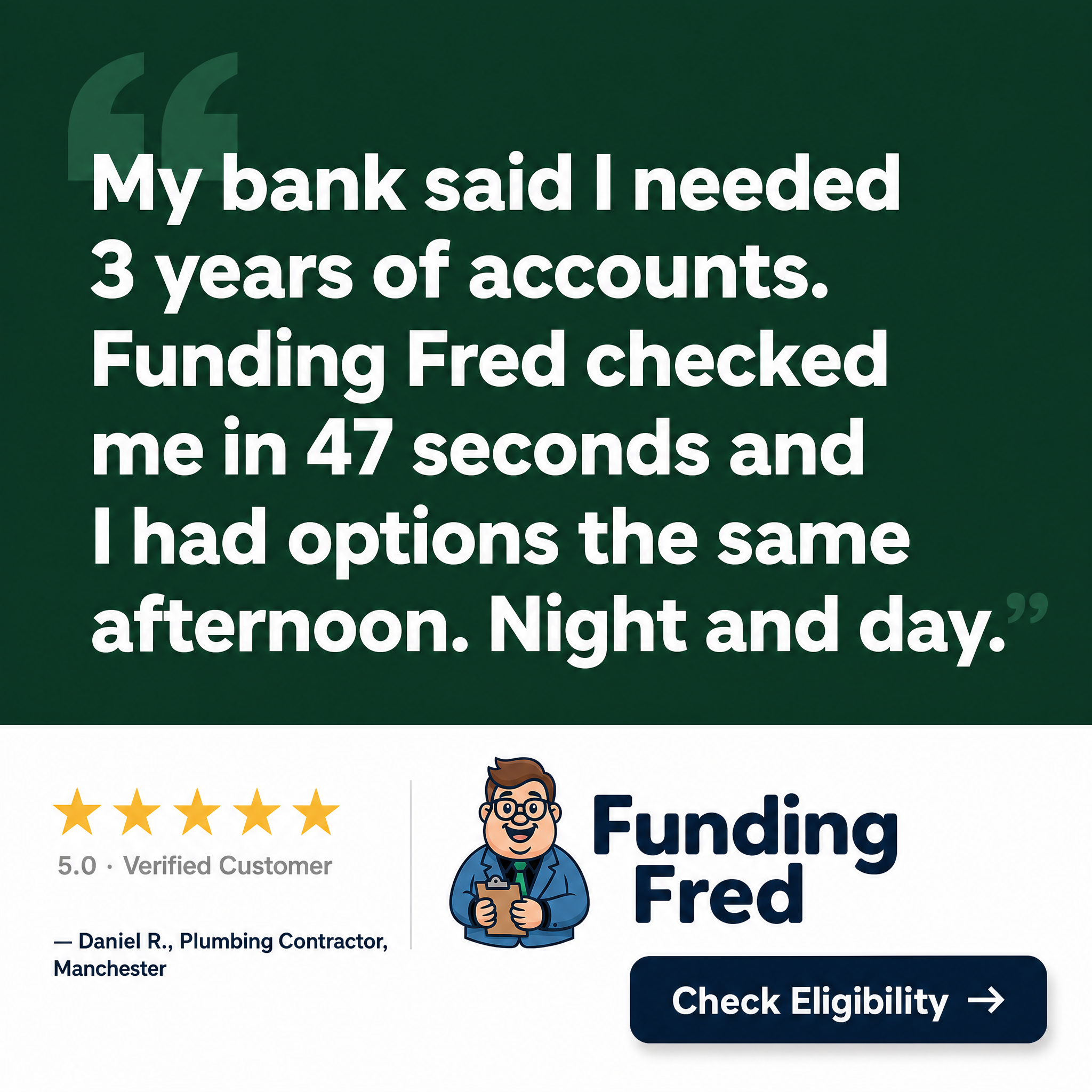
The brand runs the same objection-answering approach across other ads. One is a testimonial built on the phrase *my bank said I needed 3 years of accounts*, live 91 days.
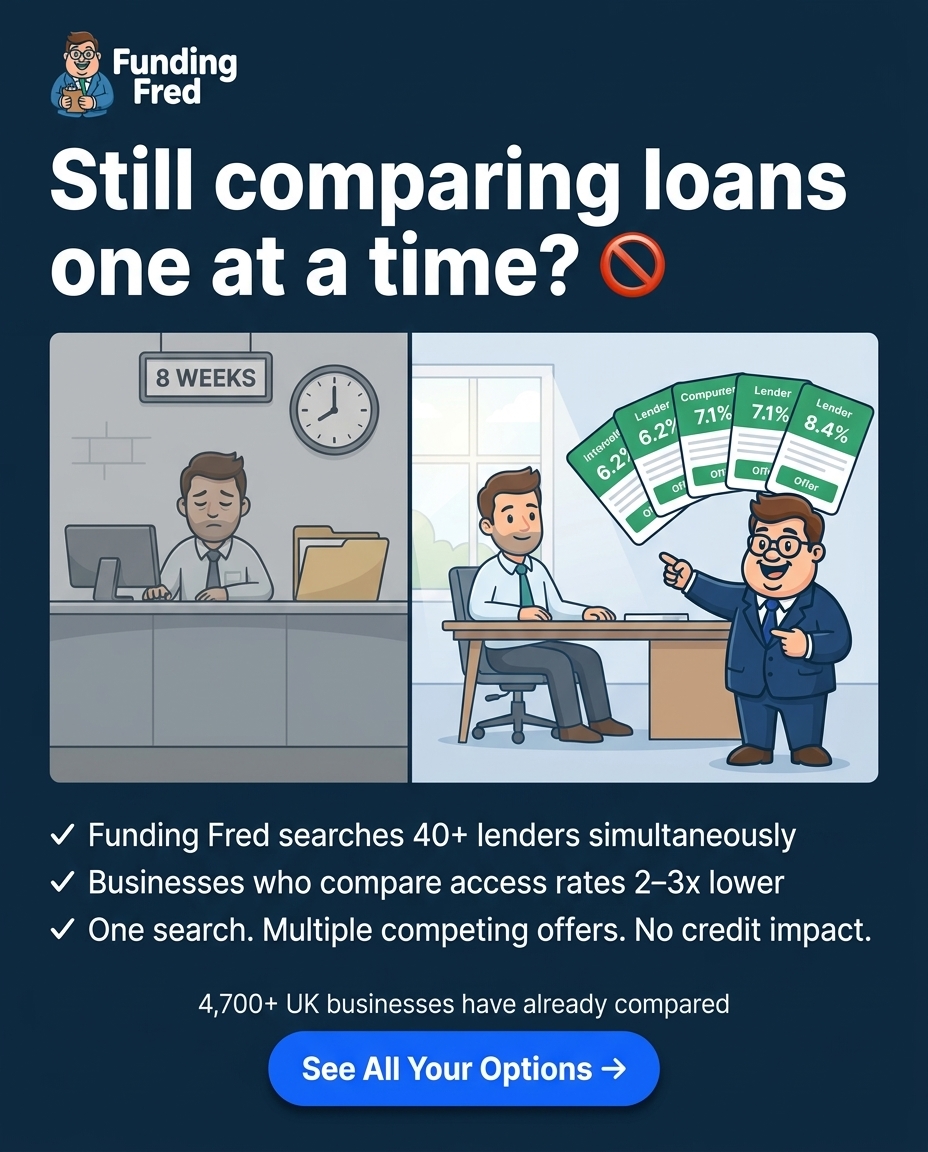
Another takes the comparison friction head-on -- *still comparing loans one at a time?* -- live 48 days.
Three ads, three different stated objections, all of them phrased the way a customer would phrase them rather than the way a lender would. That is what a listening archive is for.
### 5. The comment layer, which almost nothing covers
Here is the gap that free versus paid does not even frame properly, because most paid tools do not cover it either: the comments under your own ads.
This is the highest-signal listening surface a performance account has. The people commenting are mid-consideration, they have just seen your pitch, and they are telling you precisely which part of it they do not believe. It is also the surface most teams never read, because the comments live in the ads manager rather than in the listening tool.
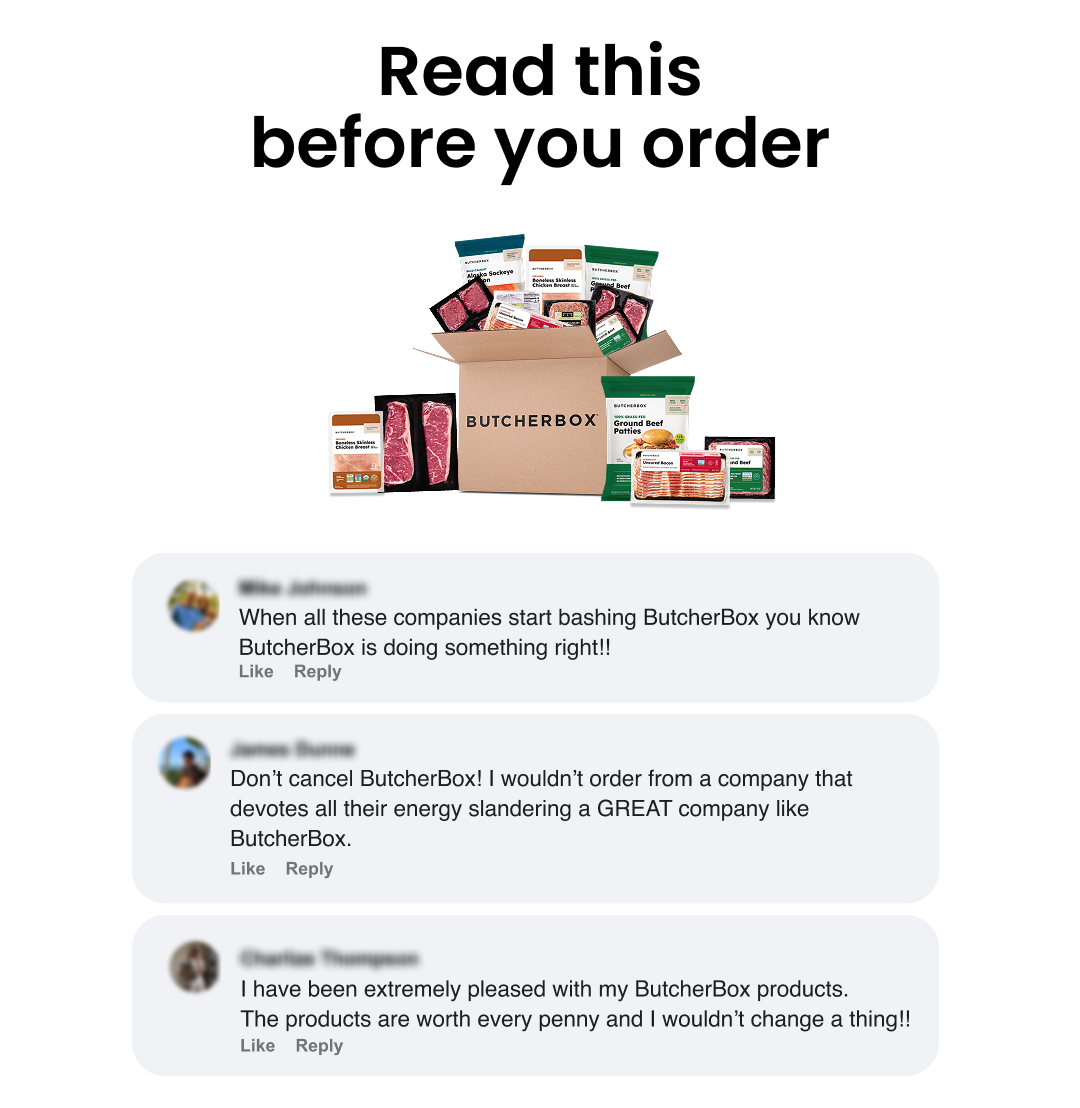
ButcherBox is running an ad that consists of a headline -- *read this before you order* -- and three screenshotted customer comments defending the brand against competitor criticism. One reads: *When all these companies start bashing ButcherBox you know ButcherBox is doing something right.*
The brand is running **four near-identical copies** of that ad. Four copies is not an experiment; it is a committed position. And the raw material was sentiment that no indexed-web alert would have returned, because it never appeared on a crawlable page.
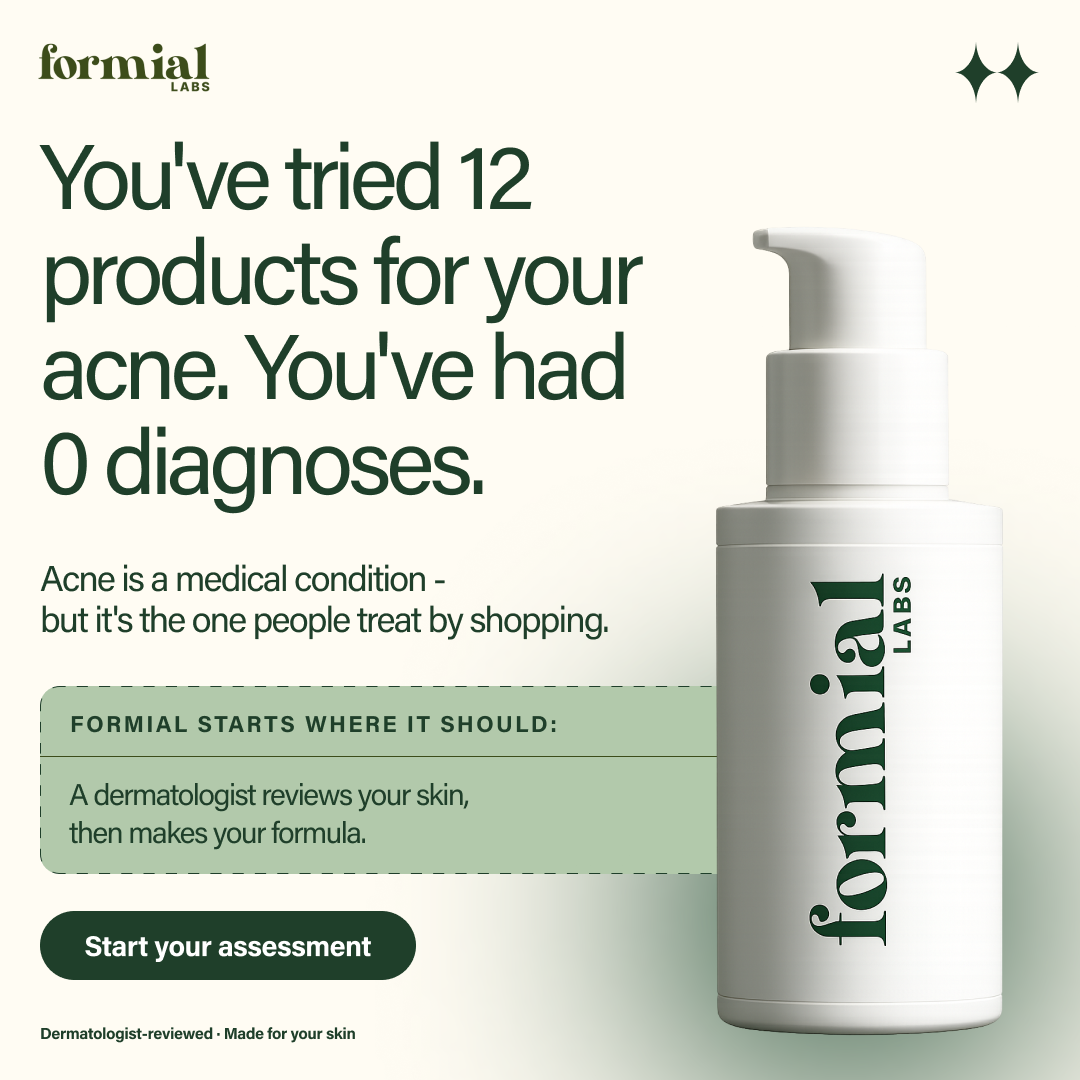
Formial Labs does the same thing from the opposite direction, taking the repeated customer frustration -- many products tried, no actual diagnosis -- and putting it on the creative verbatim.
*You've tried 12 products for your acne. You've had 0 diagnoses.* Live 36 days. The brand also runs a straight Q&A version answering the single most common question it receives about time-to-results, live 17 days.
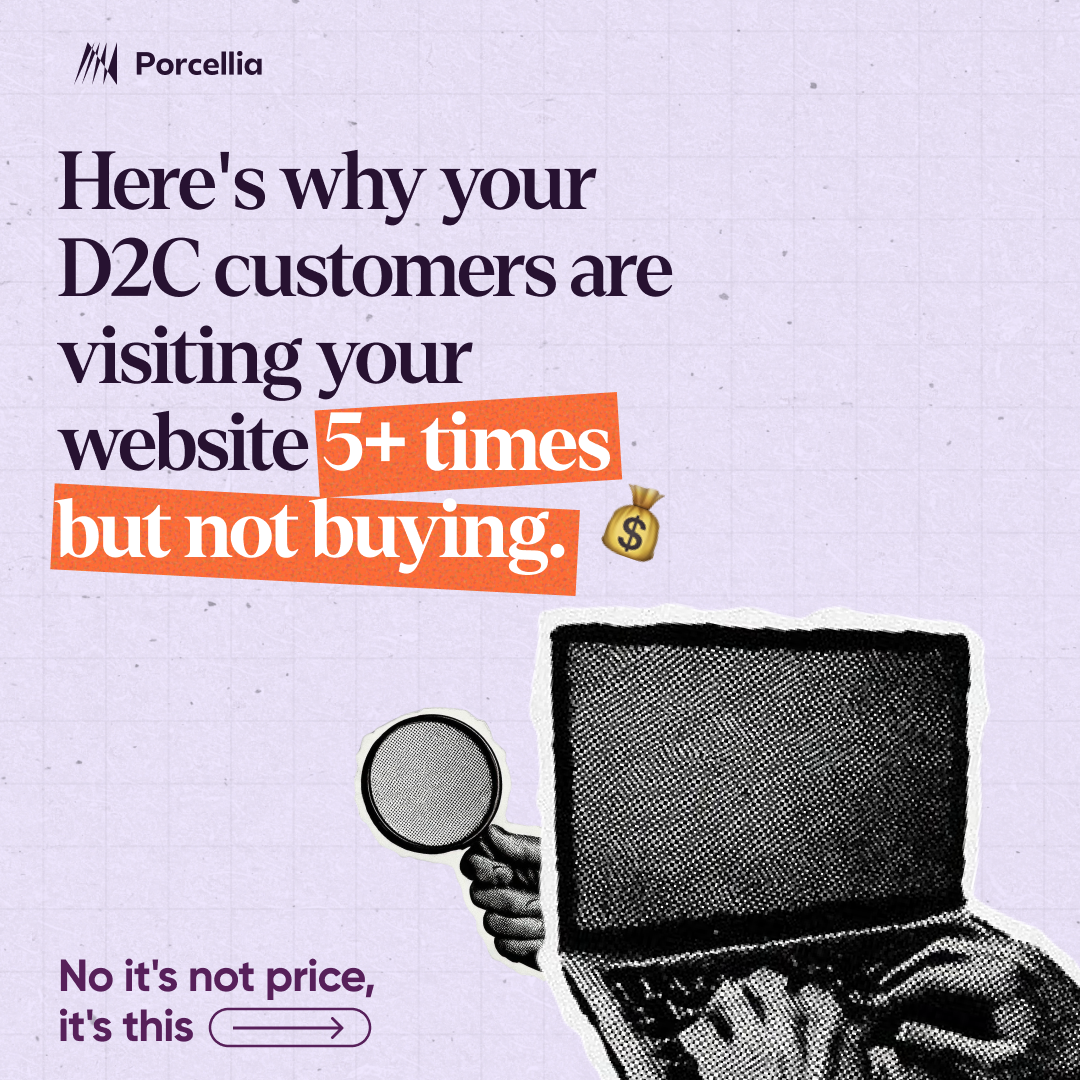
Porcellia, selling to Indian D2C founders, works from a behaviour its customers describe rather than a feature it sells -- *here's why your D2C customers are visiting your website 5+ times but not buying* -- and has sustained it for 126 days with two copies running.
## One more thing worth knowing about the paid end
Pricing transparency is itself a differentiator, and it is moving in the wrong direction. Brand24 publishes full tier pricing with keyword and mention limits. [Mention's pricing page](https://mention.com/en/pricing/), by contrast, no longer publishes plan prices or quota limits at all -- it lists a single "Company Plan" and routes you to a demo.
That is not a knock on the product. It is a procurement warning: budget for a sales cycle, and get the quota numbers in writing before you commit, because they are not on the page you will be comparing from.
## So when is free actually enough?
| Your situation | Free is enough | You need paid |
|---|---|---|
| Low mention volume, mostly press and blogs | Yes | -- |
| You need to know what was said before today | -- | Yes, for the archive |
| Mentions spike unpredictably | -- | Yes, caps truncate the week that matters |
| You need to react within hours | -- | And check which tier, not just which tool |
| Your buyers argue in comments and reviews | -- | Yes, and most paid tools still miss this |
| You want the objection in the customer's words | -- | Yes -- this is the whole value |
Read the right-hand column and a pattern appears. Almost every reason to pay is a reason about **depth of record**, not speed of alert. Free tools sell you notification. What you are actually buying with money is memory.
## How Marxx handles this
Marxx approaches listening from the ad account outward rather than from the brand-mention keyword inward. In its own words, it "listens across twenty-odd channels, from the comments under your ads to the one-star review nobody on the team has read" -- with Reddit, Google Maps, the App Store, the Play Store, Meta and Instagram among the named sources.
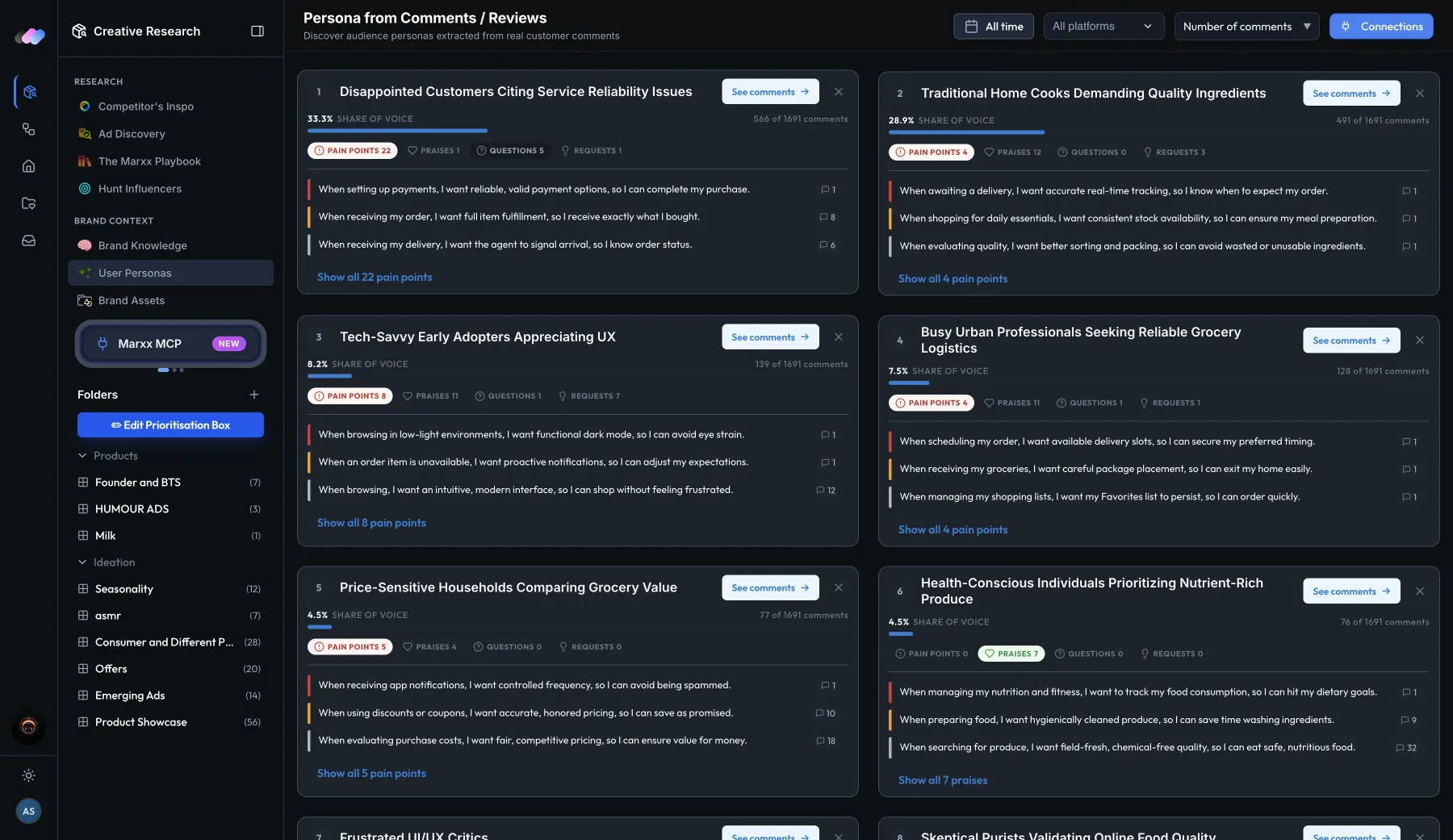
The output is not a mention feed. It is a set of personas assembled from what people actually wrote, sorted into objections, praise moments and repeat-buyer language.
Those are not demographic buckets. Each one is a named group defined by what it complained about or praised, which is the form the Odd Bunch and Funding Fred ads above were built from -- and it is directly usable as a brief rather than something you still have to interpret.
Because the account is already indexed, the question can also be asked where you work, through [the Marxx MCP server](https://marxx.ai/mcp) in Claude or ChatGPT, rather than inside another dashboard.
The [creative intelligence side of the product](https://marxx.ai/#intelligence) then connects the two ends: which objection a creative answers, and how long that creative lasted once it was live.
## The test to run before you buy anything
Open your own ads manager, pick your best-performing campaign from the last quarter, and read every comment on it. Write down the three questions that come up most often.
If your current listening tool had already shown you those three questions, it is doing its job. If it had not -- and for most teams on free tools it will not have, because those comments are not indexed pages -- then you now know exactly what you are missing, and roughly what it is worth.
**Demo: personas built from your own reviews and ad comments.** [Book a session](https://marxx.ai/book-a-demo) and we will run your account through it live -- you keep the personas either way.
---
- [More Competitive intel articles](https://marxx.ai/posts/category/competitive-intel)
- [All articles](https://marxx.ai/posts)