Most "hotel advertising trends" pieces are a list of things the writer finds interesting. This one is a list of things hotels are actually running, dated by how long each has stayed live.
That distinction matters, because a trend in advertising isn't an idea — it's an idea that enough brands adopted and that survived contact with an auction. Two measurements tell you that honestly without anyone's spend data: how many brands have taken it up, and how long their ads using it stay running. A tactic three brands tried for four days is a rumour. A tactic five brands run for three months is a trend.
Four stages are worth distinguishing. Emerging: few brands, short runs — worth a test, not a bet. Growing: multiple brands, runs lengthening — cover it now. Plateaued: widely adopted and stable — table stakes, not an edge. Declining: runs shortening — wind down or differentiate.
Below: six trends, each marked against that scale, with the ads behind the call.
1. Direct booking is the offer now — growing
The single clearest pattern in hotel advertising right now isn't creative at all. It's the offer: loyalty enrolment and best-rate guarantees aimed squarely at taking the booking back from the OTAs.
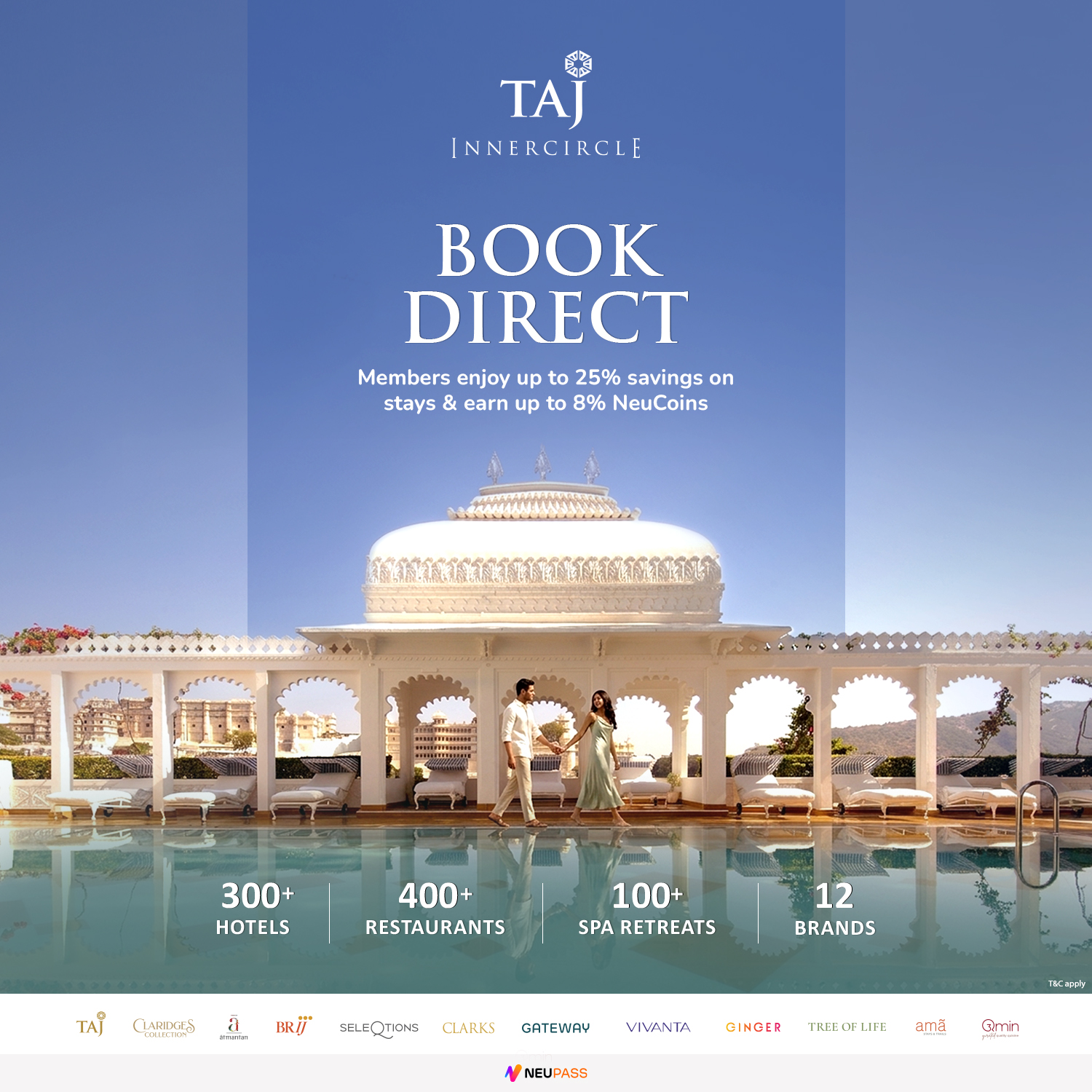
Taj's is the plainest statement of it: book direct, the savings percentages set out on the creative, and the InnerCircle loyalty programme as the reason. Ran 56 days. For a luxury group whose brand work is otherwise all heritage and restraint, putting a rate table in a paid social ad is a meaningful choice — and 56 days says it was the right one. The Leela runs the same play with its DISCOVERY programme, at 111 days on its longest execution.
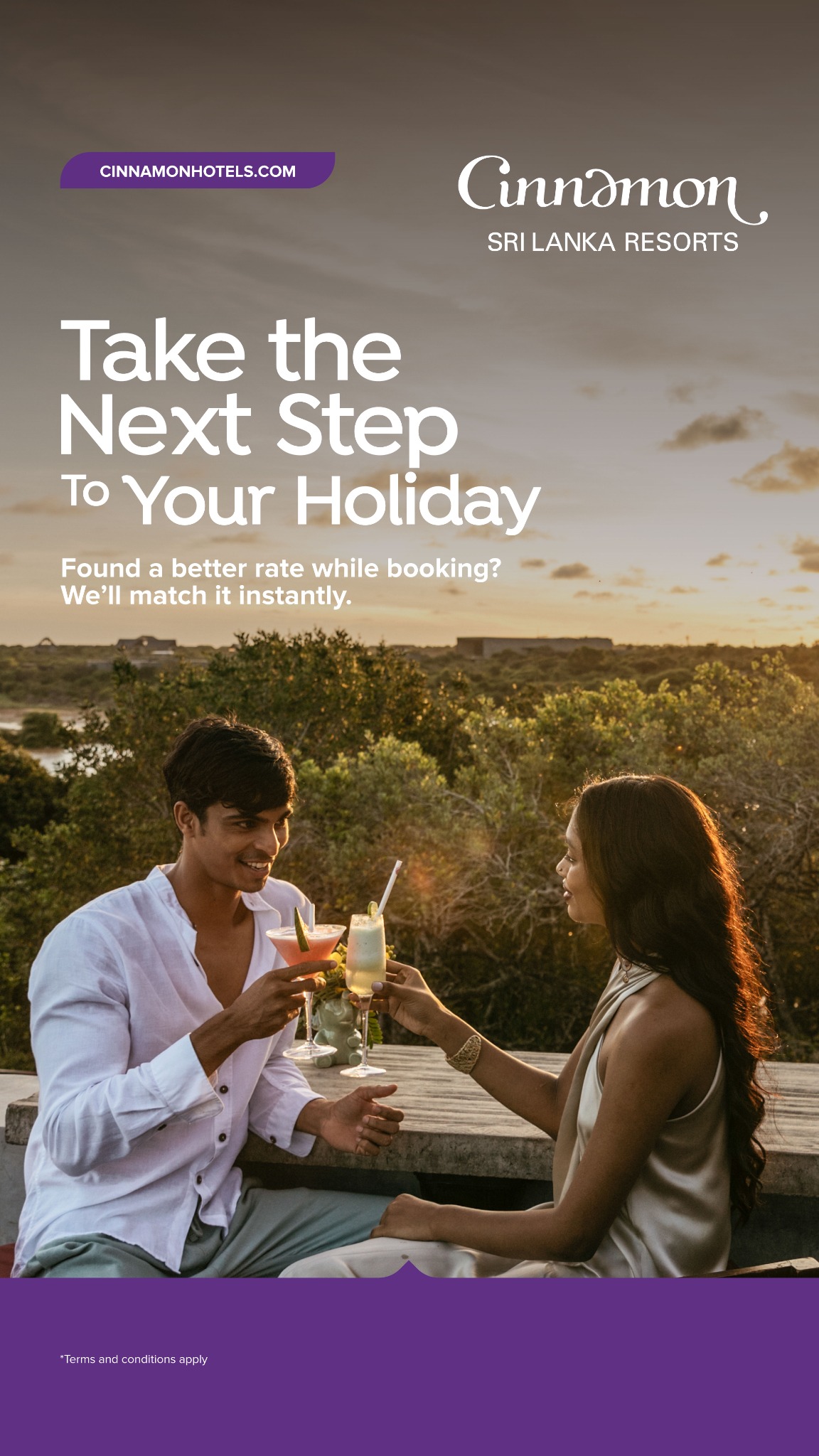
Cinnamon Lodge Habarana's best-rate-guarantee static ran 160 days — the longest run anywhere in this article. The hook isn't the rate, it's the anxiety behind it: found a better rate while booking? That's price-comparison doubt answered on the creative itself, which is where it gets answered or not at all.
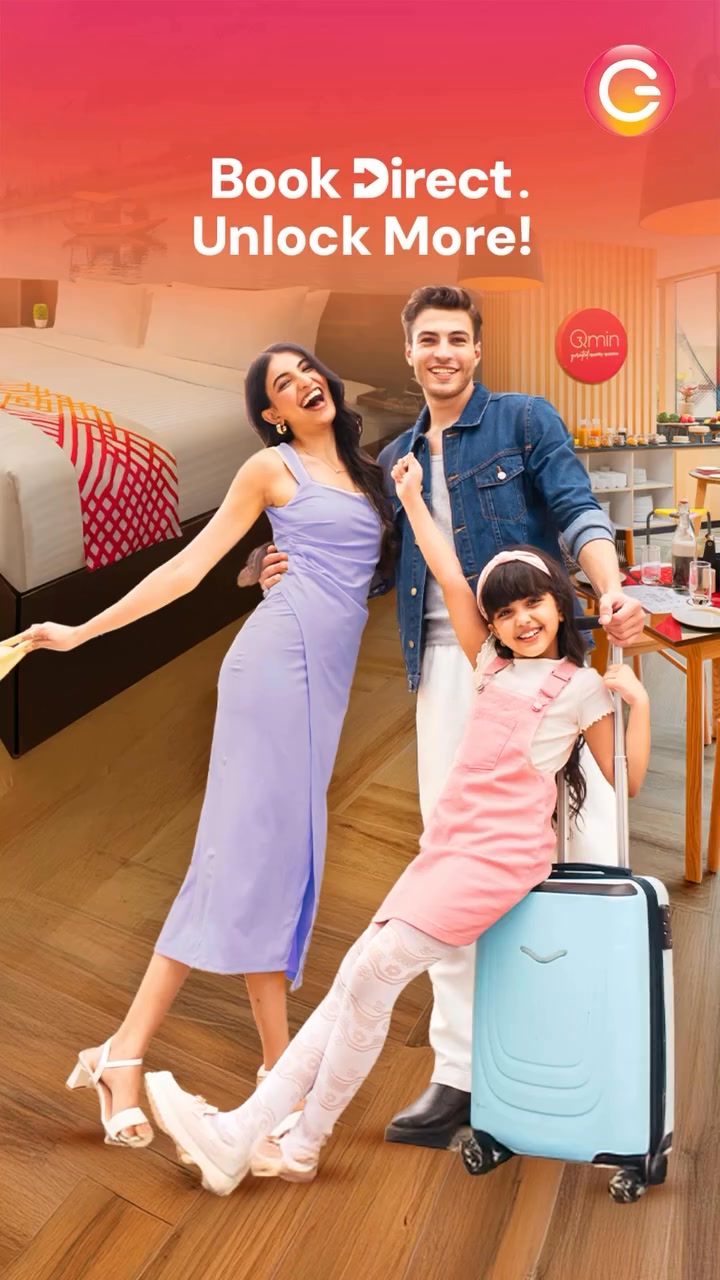
Ginger — the mid-scale end of the same group — runs the same argument in a plainer register: Book Direct. Unlock More! Ran 26 days. Shorter, because the offer is a straightforward discount rather than a standing guarantee, but the strategic move is identical.
Three brands, three price tiers, three countries, one argument. And the shelf life is the tell: a 160-day static is not a campaign, it's infrastructure.
What to do: if your paid social is still pushing people to a property page with no direct-booking incentive on the creative itself, you are buying traffic that an OTA will convert. The incentive belongs in the ad, not three clicks later.
2. Luxury stopped listing amenities and started selling permission — growing
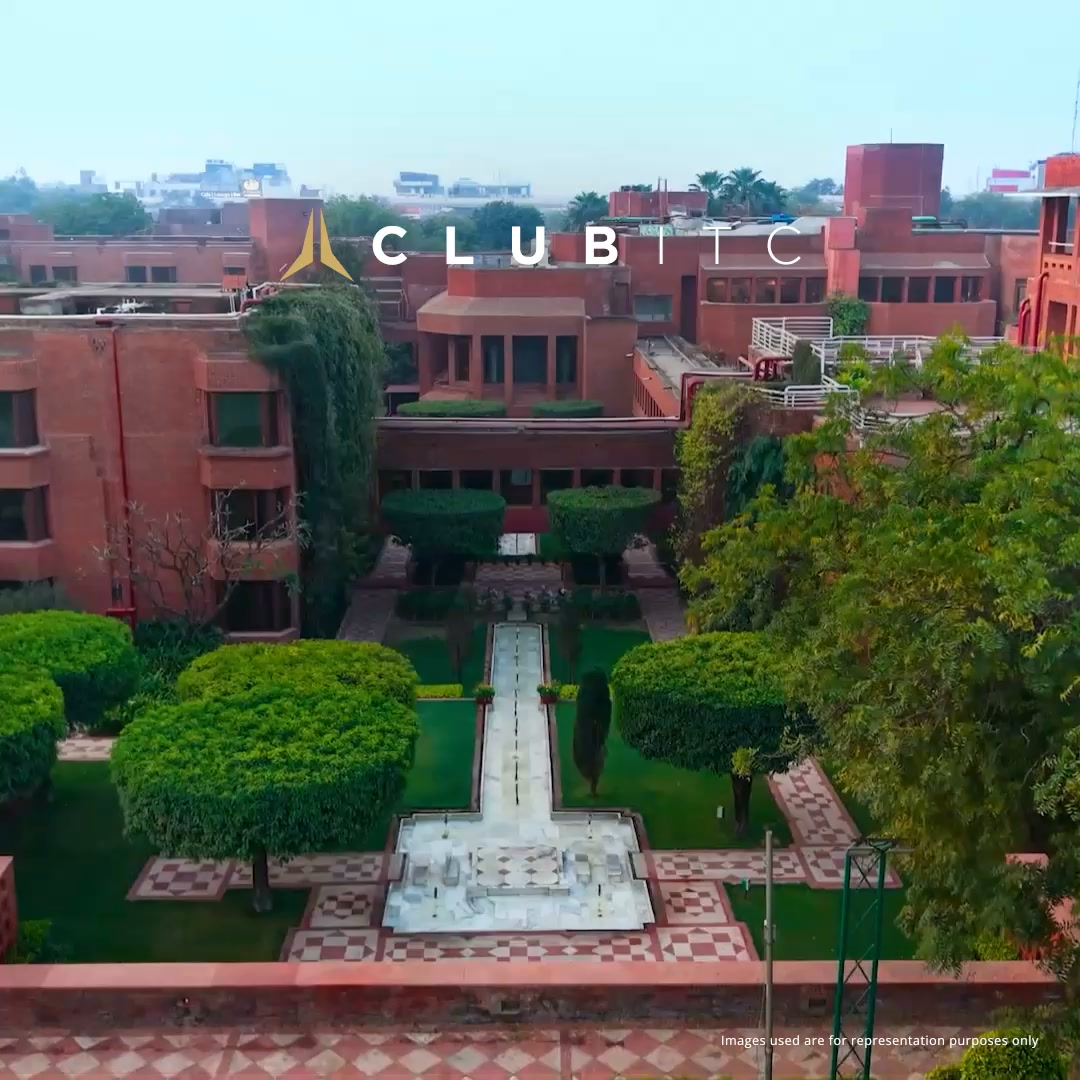
ITC's The Art of the Pause — leave room for leisure. Still running, live 14 days. No room type, no pool, no spa, no square footage. The thing being advertised is unbooked time.
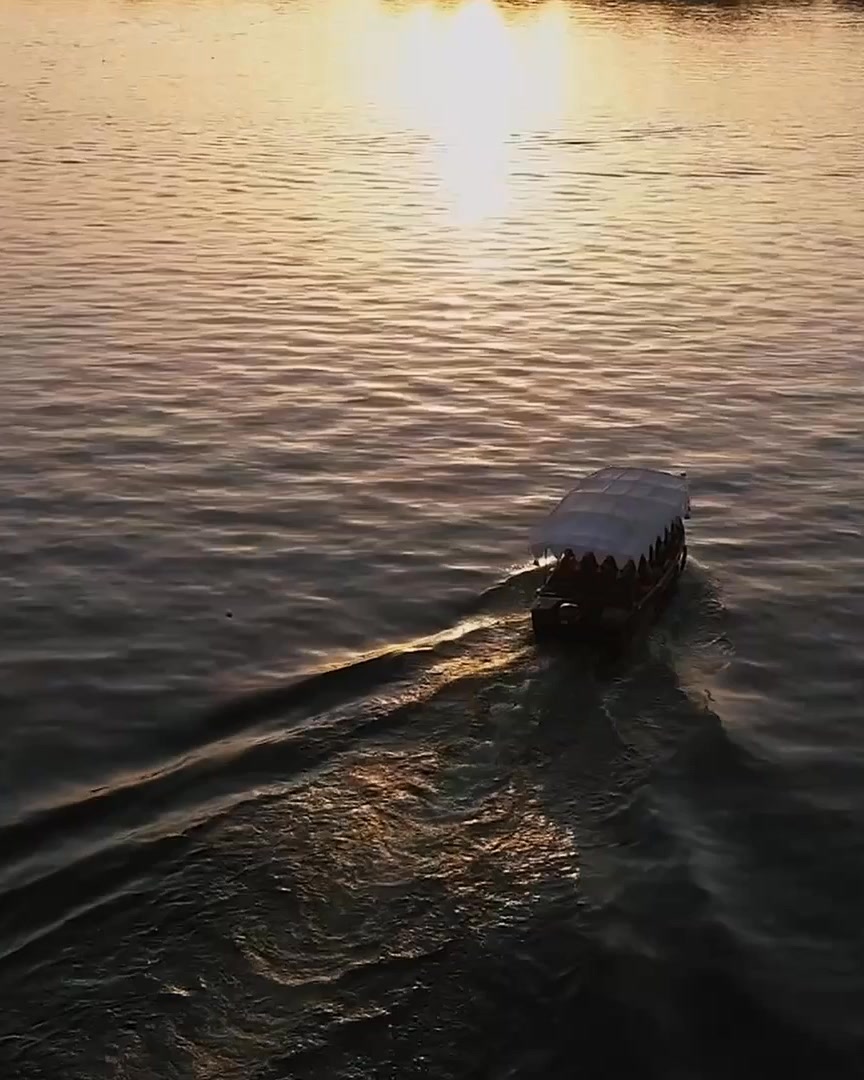
Oberoi's Experience Unspoken Luxury does the same job with even less information. Ran 30 days on an awareness objective, which is itself notable: this is brand creative bought like performance creative.
This is the most significant creative shift in the segment. The product has moved from the property to the state the guest gets to be in — no decisions, nothing expected of you. For a traveller whose actual problem is a calendar rather than a shortage of nice hotels, that's a sharper argument than a photograph of a bed.
Note the runs, though: 14 and 30 days, against 160 for a best-rate guarantee. Mood-led luxury creative is strategically correct and operationally hungry — it needs refreshing far more often than an offer-led static does, and budgeting for it as though it were evergreen is how luxury accounts end up with nothing in the queue.
What to do: audit your last ten creatives. If nine of them are a beautiful photograph plus the property name, you are running a brochure. The copy has to name the tension the stay resolves.
3. Value-add beats discount, and it isn't close — growing
This is the most actionable finding in the set.
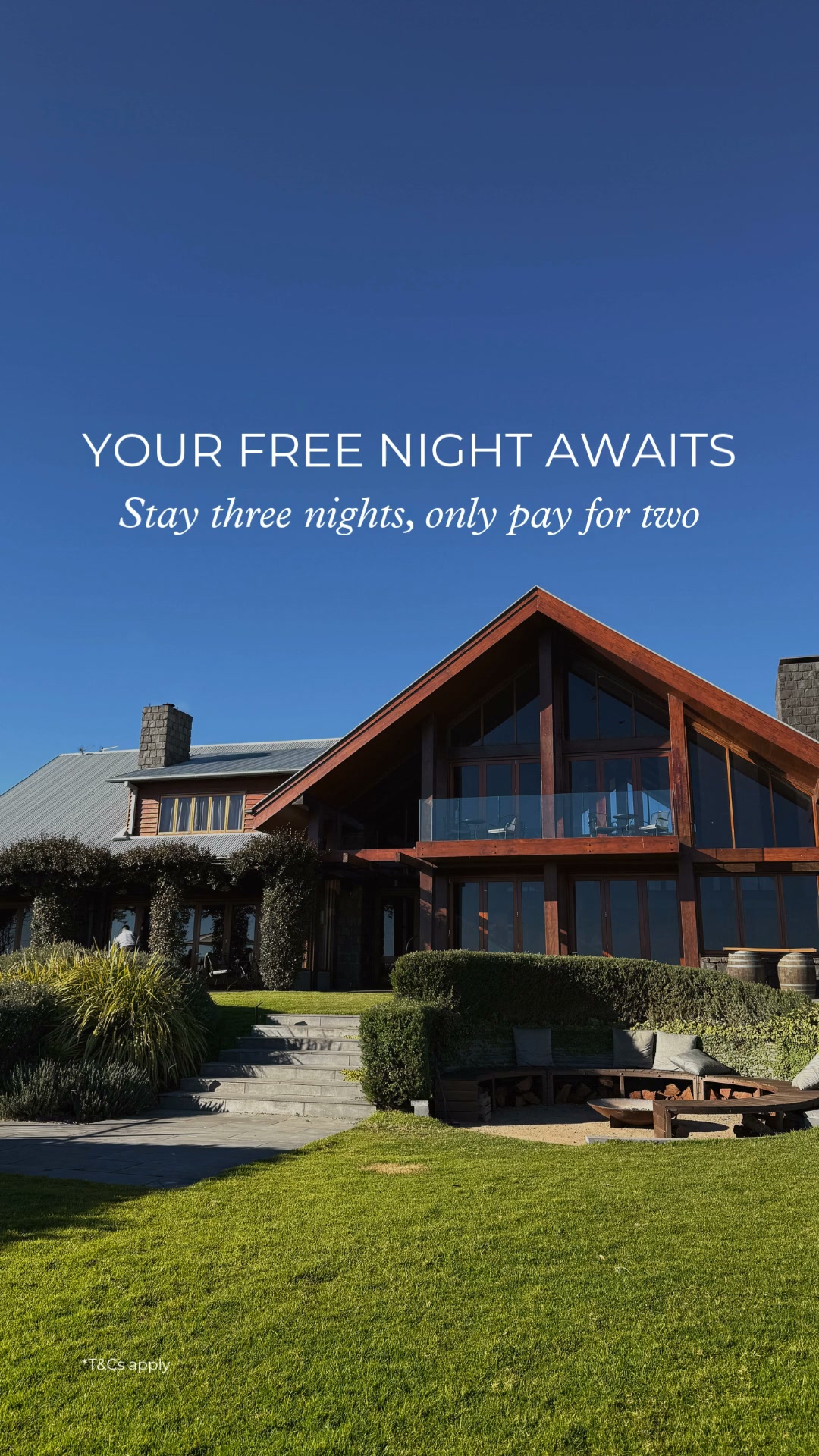
Spicers Peak Lodge: stay three nights, pay for two. Ran 21 days, with variants at 16 and 12 — three executions of one offer, which is a brand treating the offer rather than the asset as the thing being tested.
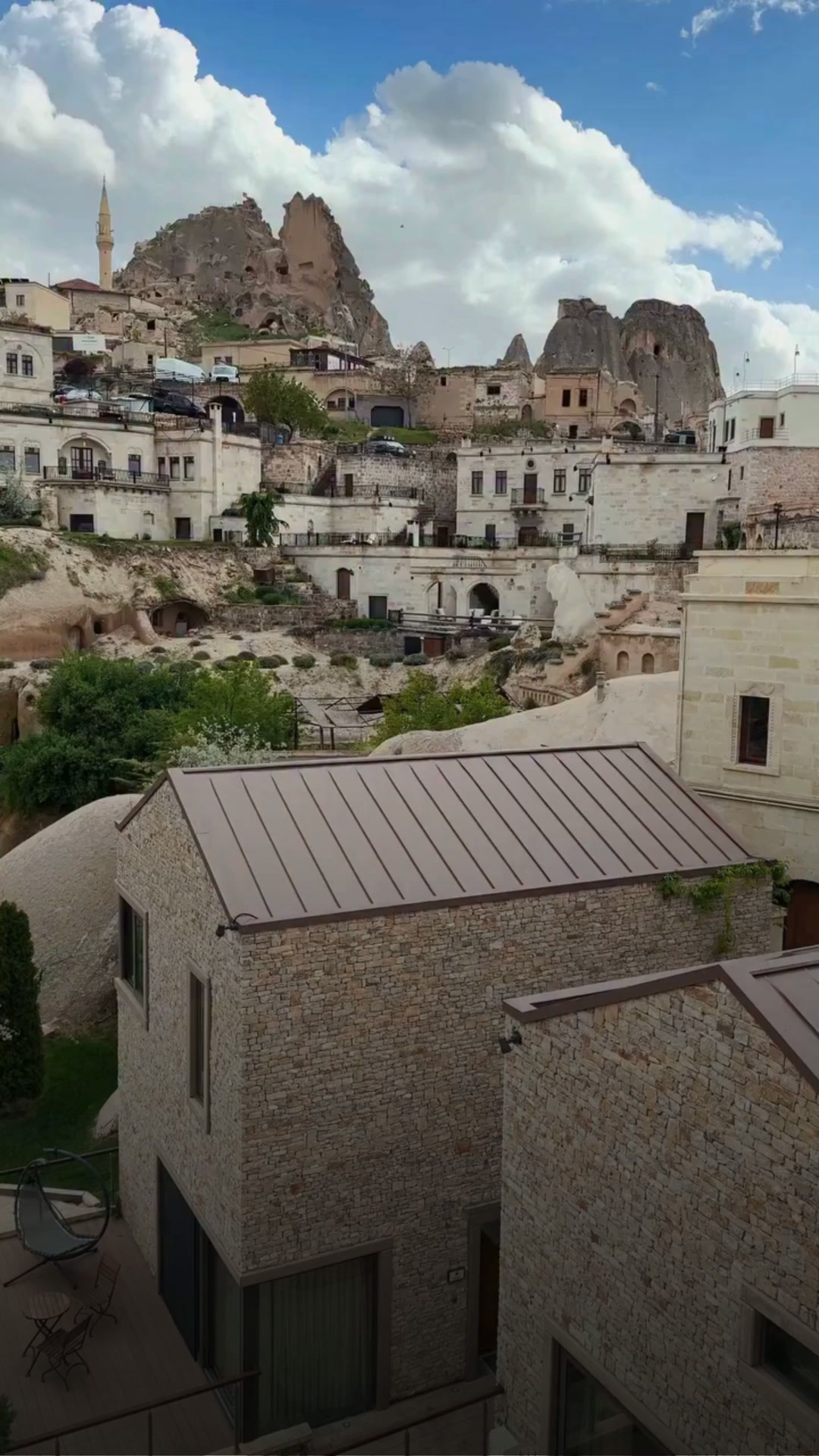
Ariana Lodge in Cappadocia: a complimentary guaranteed room upgrade, still running at 19 days with two near-identical copies live. The copy count matters more than the day count here — running two versions of the same offer simultaneously is how a brand says it believes the offer rather than the edit.
Now the comparison that makes the point.
Cinnamon's more than 40% off this Black Friday ran 1 day. The same brand's best-rate-guarantee static ran 160.
Be fair about this: a Black Friday ad is supposed to be short. That's the honest caveat — and also exactly the problem. A discount creative can never become an evergreen, so every rupee of production and learning-phase spend behind it is written off in a week. A free third night and a guaranteed upgrade protect rate, feel more generous than they cost, and the creative keeps working next month.
What to do: convert your discount calendar into a value-add calendar wherever the finance team will allow it. You will spend less on creative and more of your spend will land on ads that have already learnt.
4. Destination weddings have become their own funnel — growing
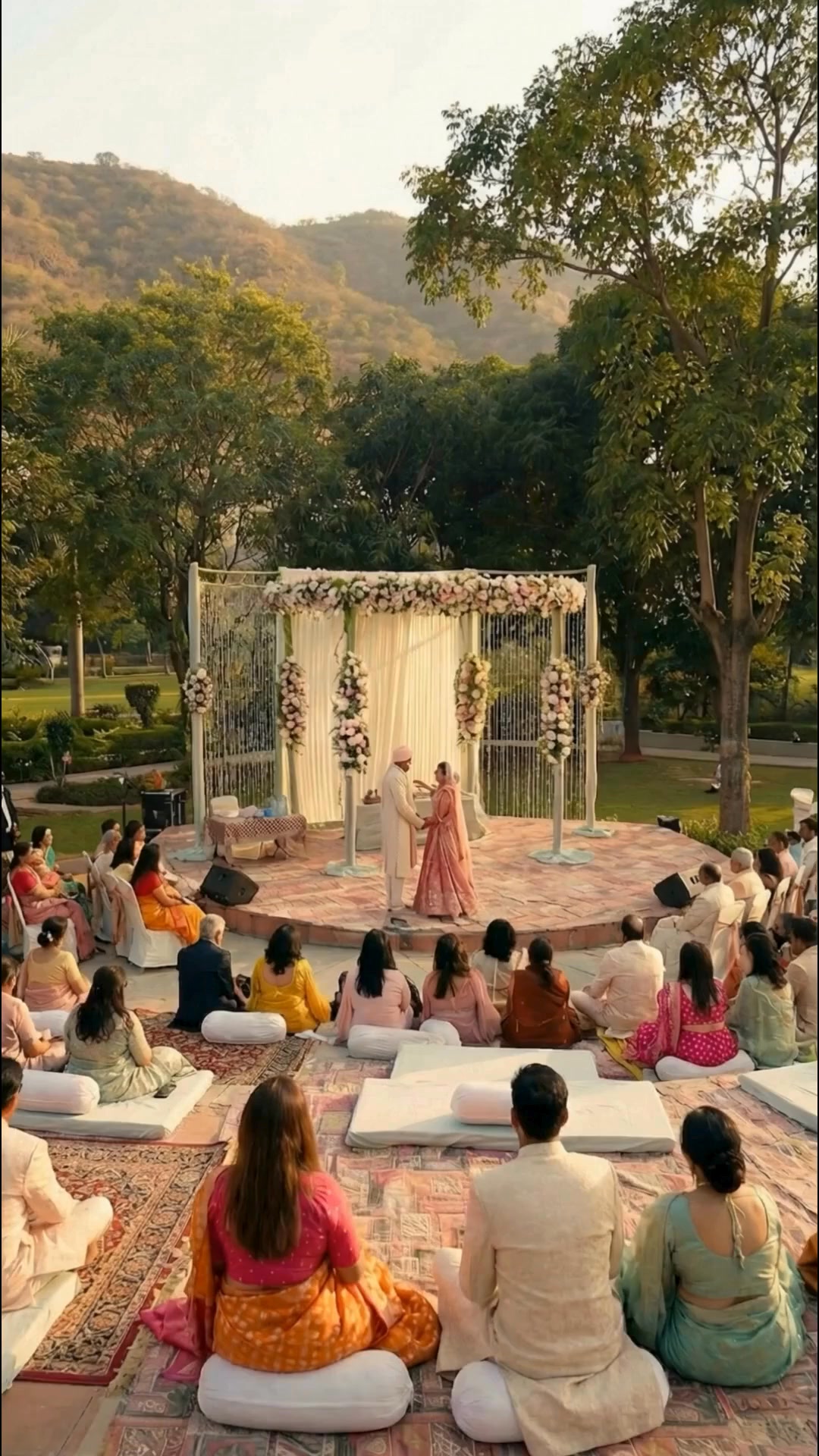
The Bandhan Book is running wedding-venue creative for its Corbett property with the starting price on the face of it. It has been live 146 days — the longest-running ad in this entire set, and it is a lead-generation ad with a seven-figure number on the creative.
Naming a price that large in a cold social ad is counterintuitive, and 146 days says it works. It isn't a price hook, it's a qualifier: the only people who click are people for whom that number is normal, which is the entire job of the top of a wedding funnel.

The same brand's second execution goes at it from the opposite direction — you don't want to regret not doing your wedding here — over 22 acres, 79 rooms and nine venues. Live 73 days. Regret as a hook is unusually aggressive for hospitality, and it's running half a year into the campaign, which suggests the category tolerates more pressure than its creative usually applies.
What to do: if weddings and MICE are run as a tab on your leisure campaign, split them. Different buyer, different timeline, different objection — and a hard qualifier in the creative is cheaper than a sales team filtering leads.
5. Season as the creative unit — plateaued
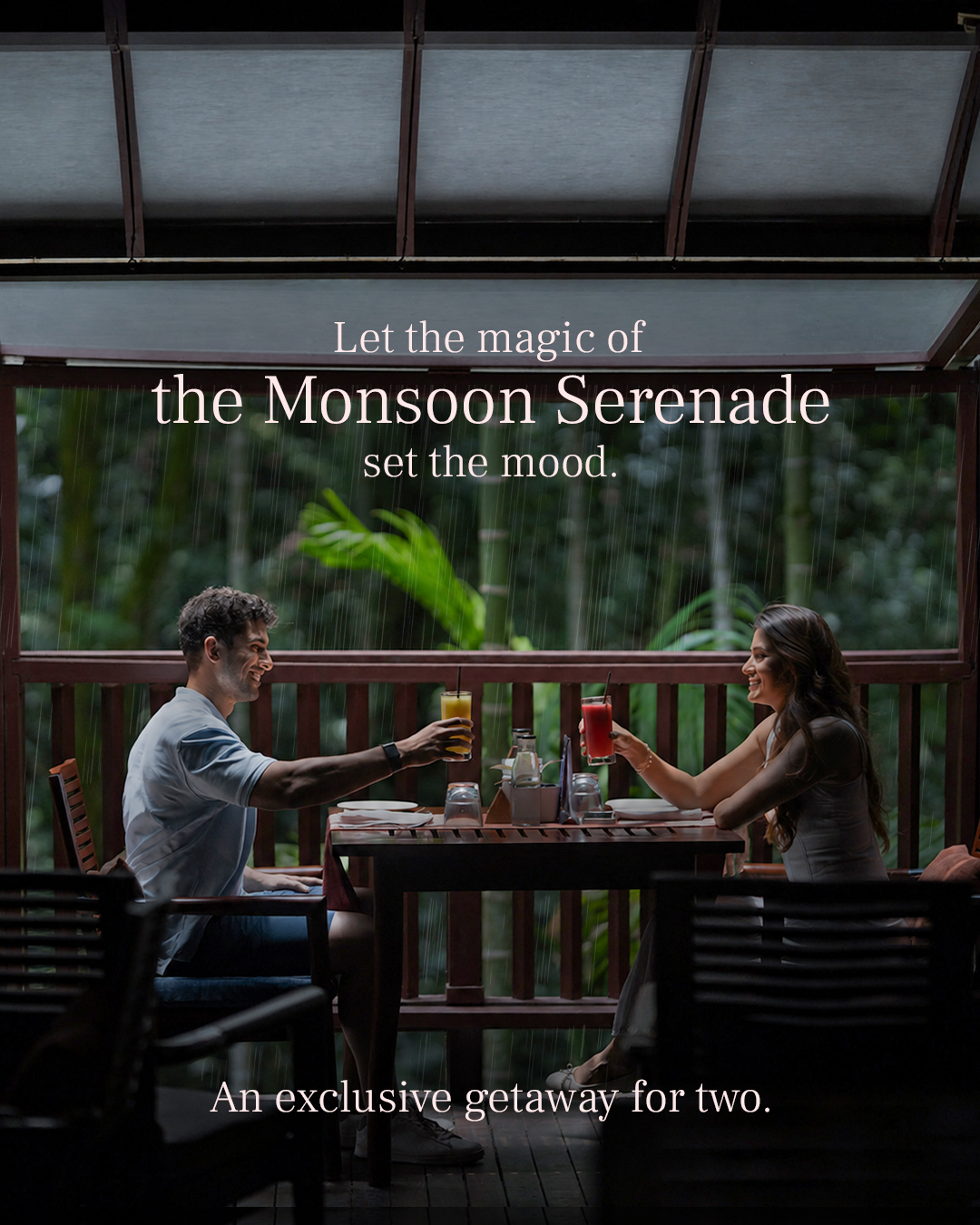
The Tamara Coorg's monsoon carousel — waterfalls, candlelight, lingering conversations — is still running at 68 days, which is a long life for a seasonal piece and comes from specificity rather than season. "Monsoon" is a season; "an evening of waterfalls and candlelight after the rain" is a reason to book a Tuesday.
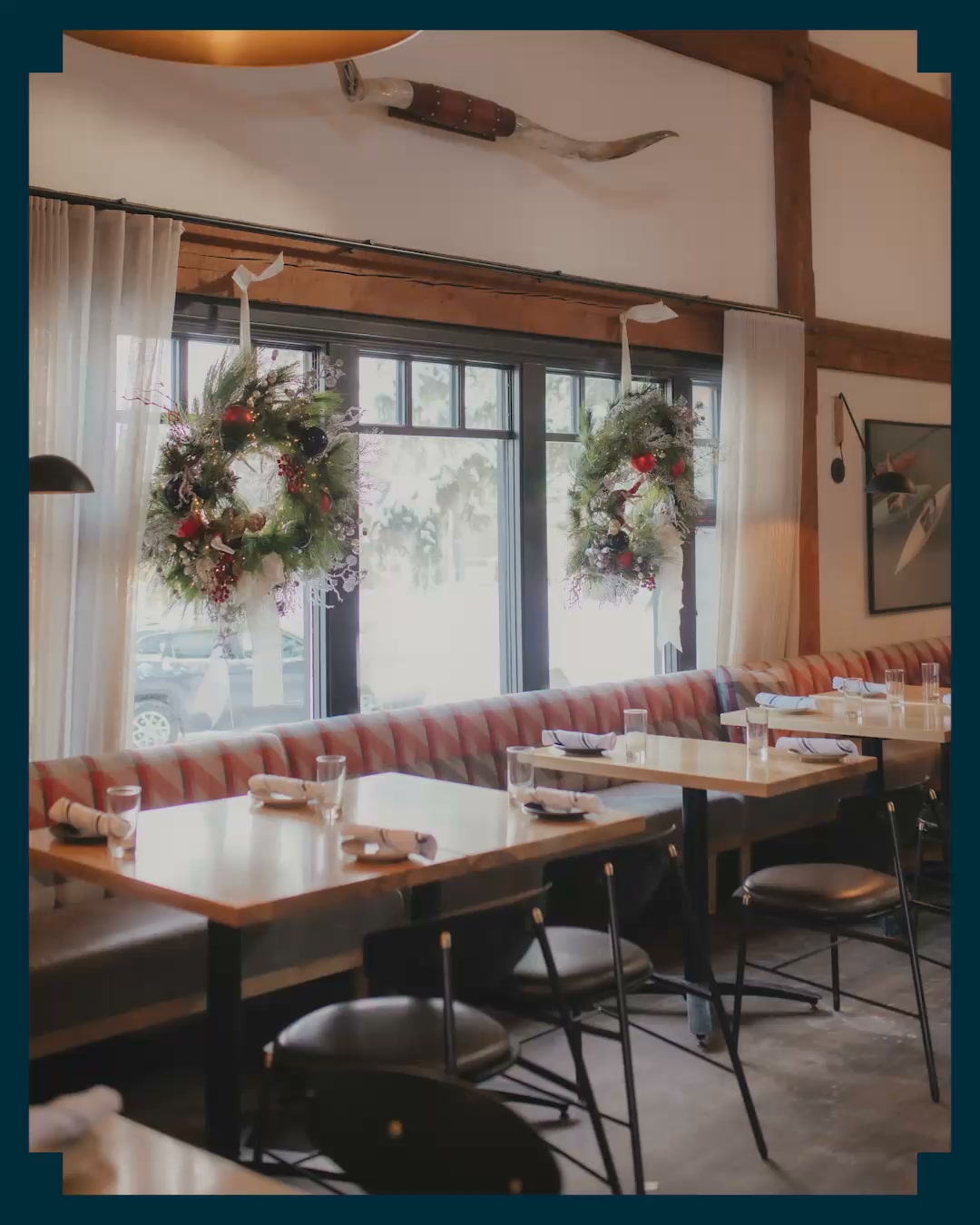
Buffalo Mountain Lodge's Christmas creative, live 12 days at the time of writing, is the same idea executed on schedule in the Canadian Rockies.
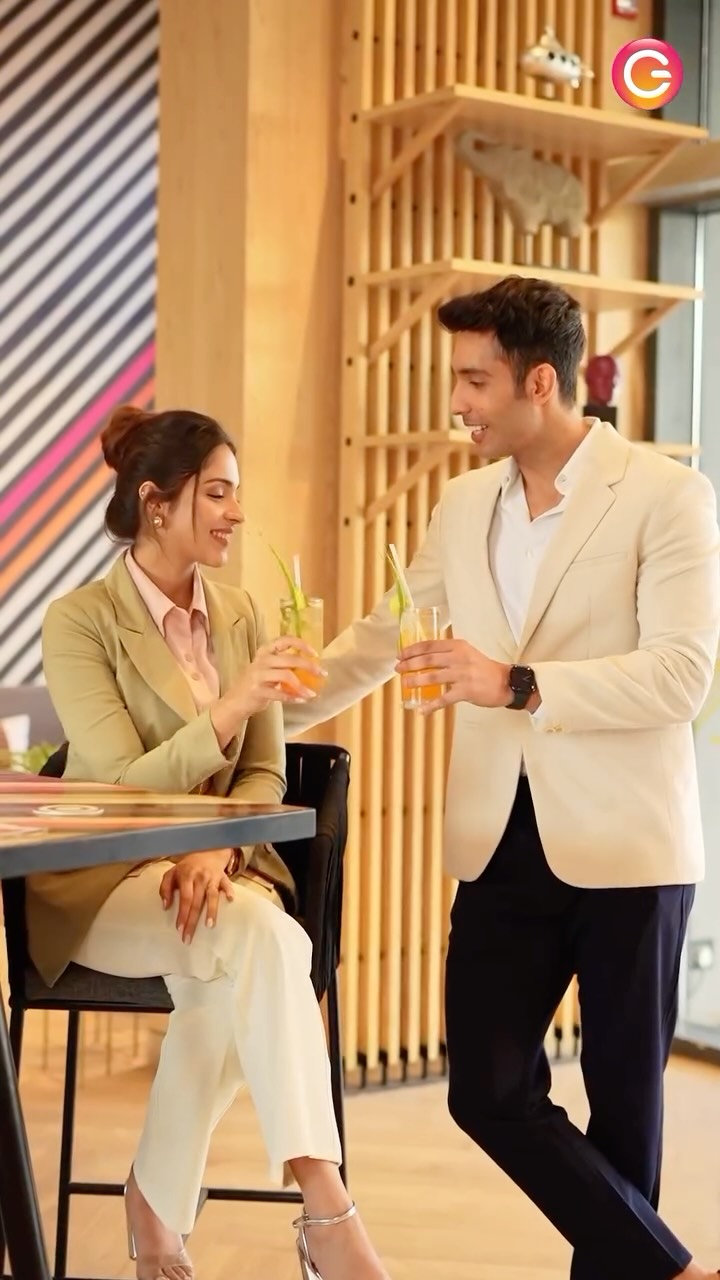
Ginger's summer piece ran 31 days. Everyone does this, and it works fine.
Plateaued means table stakes: you lose by not doing it and you don't win by doing it. The 68-day Tamara run against the 31-day Ginger run is the only interesting number in this section, and the difference is how specific the promise is.
6. Sub-brands as characters — emerging
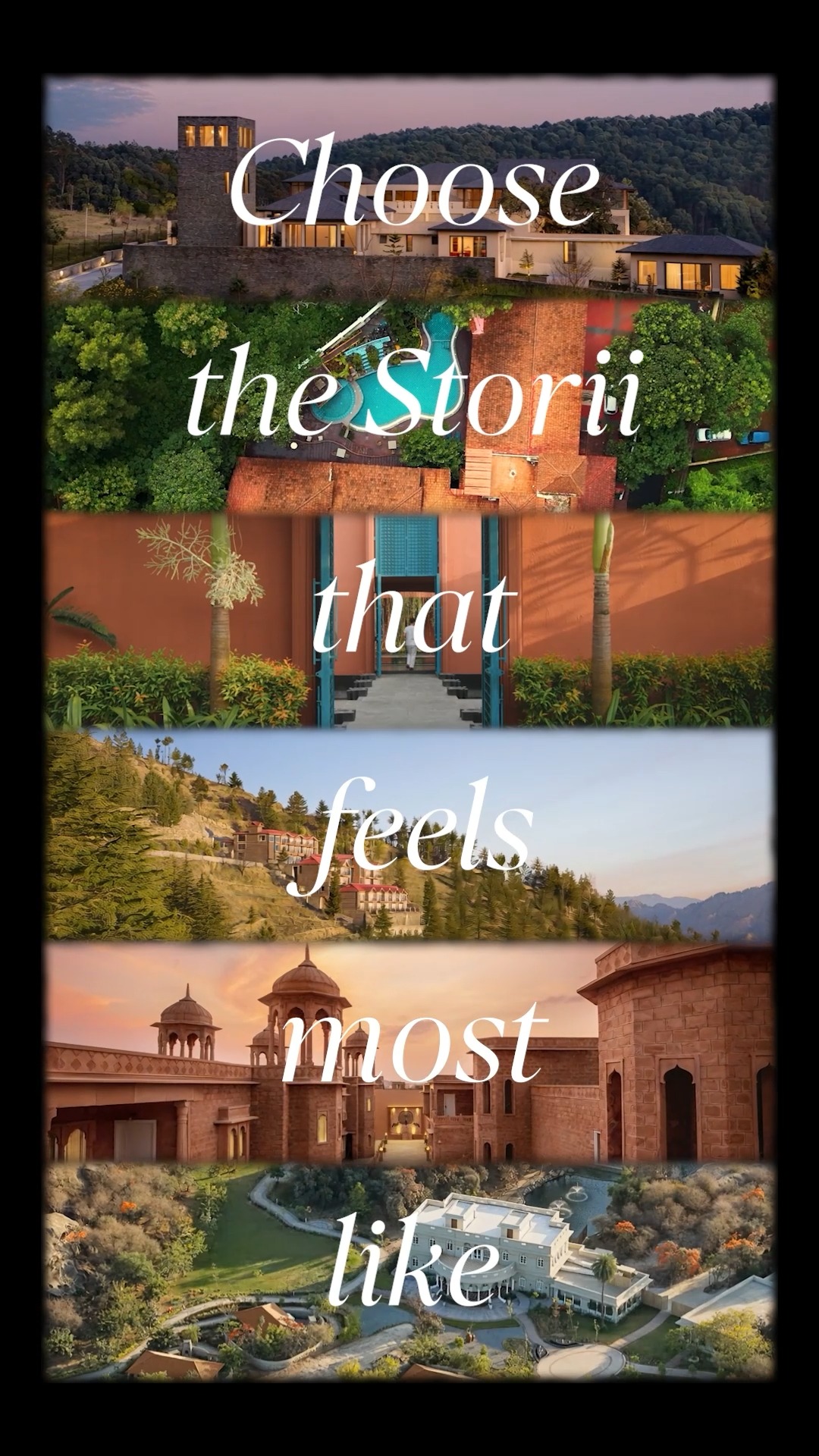
Storii by ITC is advertising its portfolio as a set of personalities — choose the Storii that feels most like YOU — rather than as a list of properties.
I like it. The data doesn't back it yet: this one ran 3 days. That's what emerging honestly looks like, and reporting it as a confirmed trend would be the thing this article exists to avoid. Watch it; don't rebuild your account around it.
Channels and formats: what the creative implies
| Shift | Stage | Longest run seen | What it means for the media plan |
|---|---|---|---|
| Direct-booking incentive inside the creative | Growing | 160 days | The ad is the conversion point, not the landing page |
| Price-qualified lead ads for weddings and MICE | Growing | 146 days | A separate campaign, not an audience within leisure |
| Seasonal bursts | Plateaued | 68 days | Budget in, expectations low, specificity is the only lever |
| Value-add offers replacing % discounts | Growing | 21 days, 2 copies live | Longer shelf life than discounting, fewer learning phases |
| Mood-led copy with no amenity list | Growing | 30 days | Brand and performance creative converging — but refresh often |
| Portfolio-personality storytelling | Emerging | 3 days | Test budget only |
| Hard percentage discounts as the lead creative | Declining | 1 day | Shortest shelf life in the set; keep for genuine flash windows |
Sorted that way, the hierarchy is blunt: the two longest-running creatives in hospitality right now are a best-rate guarantee and a wedding ad with the price on it. Both are offers. Neither is beautiful.
The India-specific read
Three things are different in the Indian market, and the ads show it.
Price tiers advertise differently. Leela and ITC sell the state and the story; Ginger leads with the mechanics of the deal. Copying luxury's mood-led approach at a mid-scale price point loses the only advantage you have, which is that the price is a genuinely good reason to click.
The weekend is a shorter drive than the holiday. Coorg, Corbett — the Indian leisure campaign is increasingly a drive-distance campaign, which makes the long weekend, not the vacation, the unit of planning.
Weddings are not a seasonal add-on. They're a parallel business with a longer consideration window and a six- to seven-figure ticket, and the 146-day run above suggests treating them as their own account rather than a creative variant.
Track the lifecycle rather than the listicle
Every trend in this piece will move. Direct-booking incentives will plateau once everyone runs them. Portfolio-personality will either grow or quietly disappear. The useful thing isn't this snapshot, it's watching the stage change — because the money is in covering a tactic while it's emerging and winding one down before everyone else notices it's declining.
Marxx tracks hooks, formats and emotions across the brands in your sector and marks each one emerging, rising, plateaued or declining — by how many brands have adopted it and how long their ads stay live, never by spend, which nobody can see. It also shows how your own live volume compares on each, so "we should test that" becomes a number of ads rather than a feeling.
Sign up for sector trend digests and get your category's emerging, growing and declining tactics in your inbox. The creative intelligence page explains how each ad gets decoded along the way.
FAQs
What are the biggest hotel advertising trends for 2026?
Direct-booking incentives placed inside the creative, mood-led luxury copy that sells unbooked time rather than amenities, value-add offers replacing percentage discounts, and destination weddings run as a separate price-qualified funnel.
Do hotel ads still need discounts?
Less than the industry assumes. In this set, a best-rate guarantee ran 160 days and a Black Friday percentage-off ad ran 1. Value-add offers — a free third night, a guaranteed upgrade — protect rate and avoid rebuilding the ad every promotion.
How do I know whether a trend is real?
Count the brands running it and look at how long their ads stay live. A tactic several brands run for months is a trend; a tactic one brand ran for three days is a test, including when it's a good idea.
Should luxury hotels run performance ads?
They already are. Oberoi's mood-led film is brand work bought on an awareness objective, and ITC's is running against a sales objective with no amenity in sight. The convergence is the point — one asset, both jobs.
How should Indian hotels approach Meta advertising differently?
Lead with the deal at mid-scale and with state-of-mind at luxury, plan around the long weekend and drive distance rather than the annual holiday, and run weddings as their own account.
What's declining in hotel advertising?
Hard percentage-discount creative as the default lead. It had the shortest shelf life in this set — a single day — and every short-lived creative pays for its own learning phase again.
Which hotel ad format lasts longest?
On this evidence, the offer-led static: a best-rate guarantee at 160 days and a price-qualified wedding ad at 146 outlived every piece of mood-led brand film in the set. Beautiful creative is not the durable kind.