# How to Spy on Competitor Ads in 2026: The Complete Playbook for Meta and Google

> Most guides are a Meta Ad Library tour with Google bolted on. This covers both -- including the free competitor report sitting unopened in your own Google Ads account.
- **Author**: Marxx
- **Published**: 2026-10-03
- **Category**: Competitive intel
- **URL**: https://marxx.ai/posts/spy-on-competitor-ads

---

Most guides to spying on competitor ads are a guide to the Meta Ad Library with a paragraph bolted on about Google. That's backwards for a lot of accounts, and it skips the single most useful competitor report in the industry -- one that's free, first-party, and sitting unopened in your own Google Ads account.

This playbook covers both platforms properly: what's genuinely visible on each, which signals mean something, which are noise, and the weekly routine that turns all of it into briefs instead of a folder of screenshots.

## First: what you can actually see

Being precise about this saves a lot of wasted effort.

| | Meta | Google |
|---|---|---|
| Every live creative | ✓ Public library | ✓ Transparency Center |
| How long an ad has run | ✓ Start date shown | Partial -- dates shown, less granular |
| How many copies of an ad run | ✓ Visible | Harder |
| Landing pages | ✓ | ✓ |
| Search terms they bid on | ✗ | Inferred via keyword tools |
| **Whether you compete with them at all** | ✗ | **✓ Auction Insights, free** |
| **Their share of the auction** | ✗ | **✓ Auction Insights, free** |
| Spend | ✗ | ✗ |
| ROAS, CPA, conversion rate | ✗ | ✗ |

Nobody can see spend or return. Any tool claiming to is modelling it, and the model is usually impressions x a guessed CPM. Treat those numbers as decoration.

The two rows in bold are why the Google half of this matters. On Meta you can see everything *except* whether you're actually in the same auction. On Google you can see exactly that.

## Part 1 -- The Meta playbook

### Where to look

The Meta Ad Library is the primary source and it's free: search any advertiser, filter by country and date, see every live ad. Everything else in this category reads from it and adds memory, tagging and alerts.

### The four signals that matter

**1. Longevity.** How long an ad has run. The only honest public proxy for performance -- nobody keeps paying to serve a loser. Anything past 60 days is a verdict.

**2. Copy count.** How many near-identical versions are live. One long-running ad can be luck; the same hook rebuilt and re-shipped is a decision.

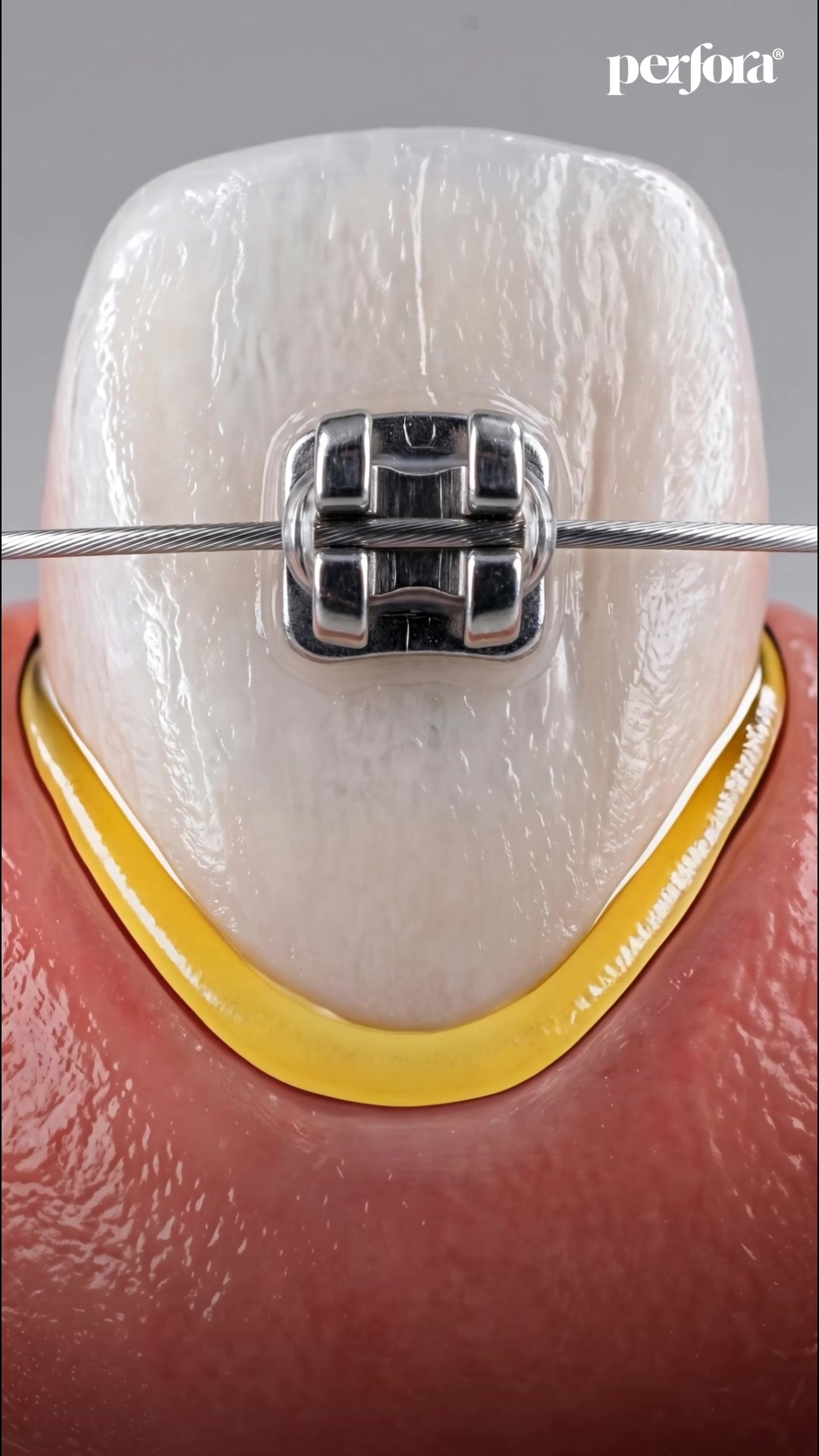
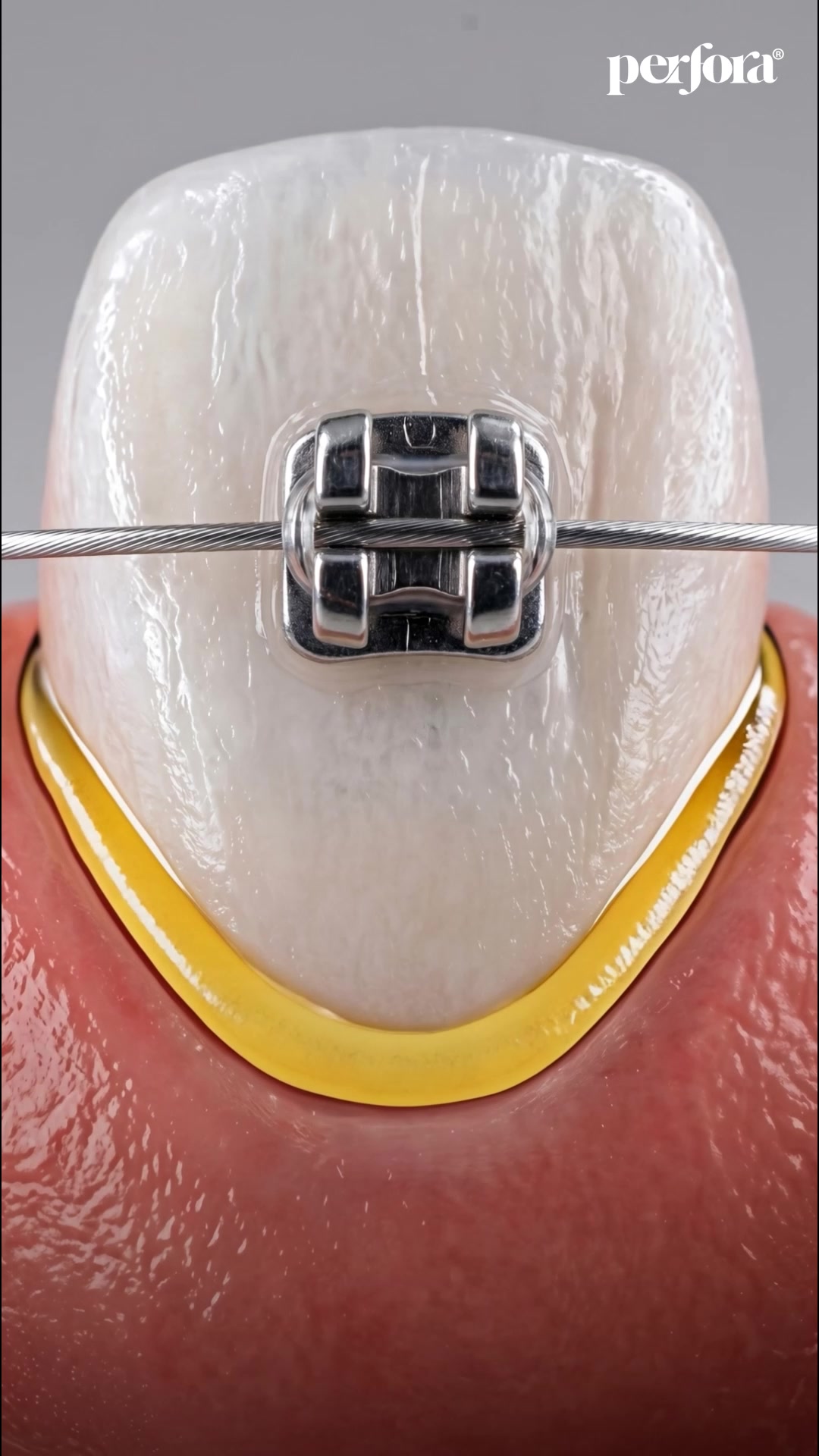
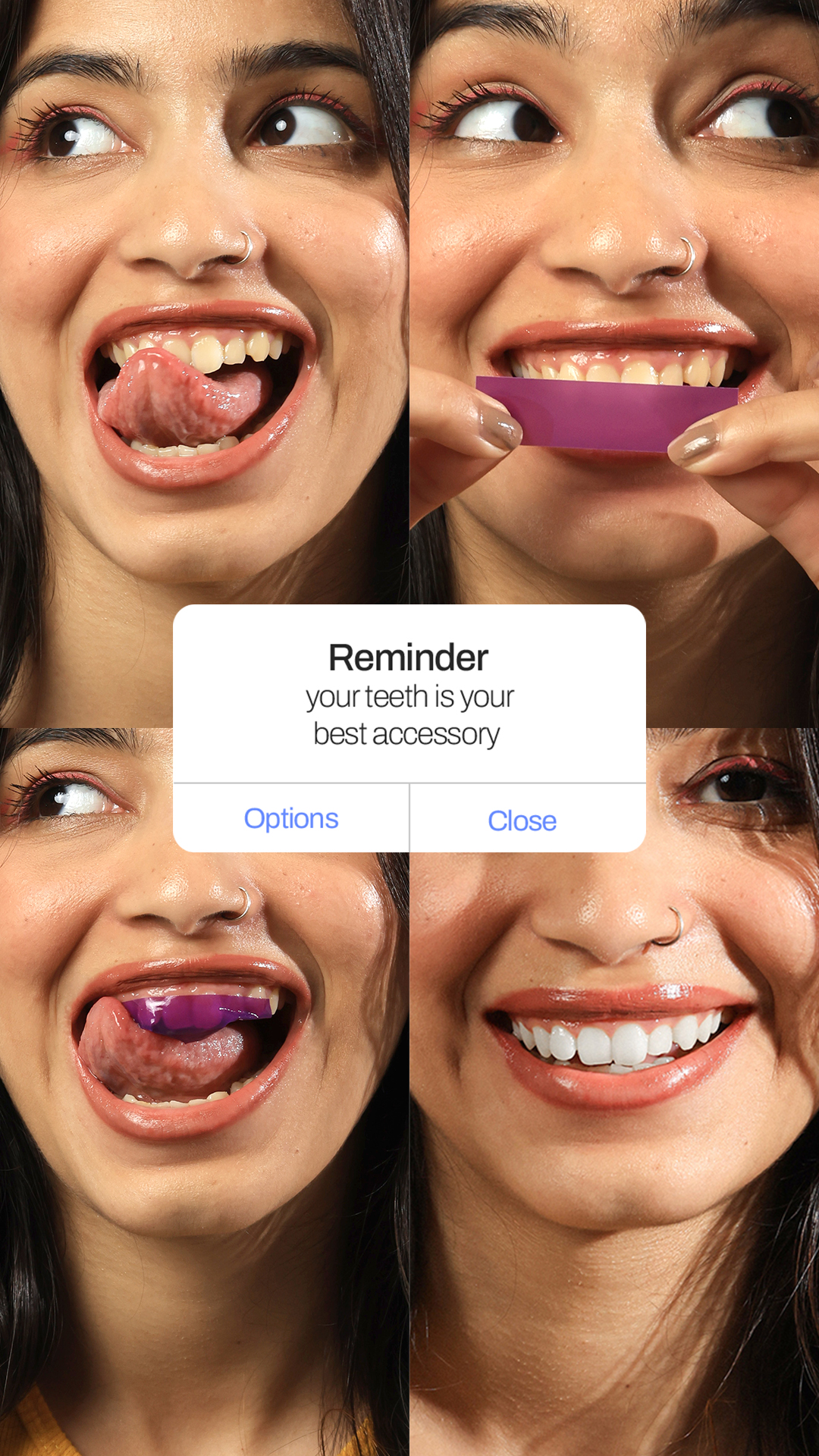
Here's that second signal in a form you can verify:

<div style="display:flex;align-items:flex-start;gap:8px;overflow-x:auto;padding-bottom:6px;margin:8px 0">
<img src="https://marx-ad-assets.s3.amazonaws.com/ads/102929252093077/1025496680169505/72900427.jpg" alt="Perfora Meta ad: close-up of plaque being removed from teeth with braces, choose Perfora&#39;s electric toothbrush" style="flex:0 0 32%;height:auto;border-radius:8px">
<img src="https://marx-ad-assets.s3.amazonaws.com/ads/102929252093077/1391279416408884/72900427.jpg" alt="Perfora Meta ad: the same plaque-removal visual running as a second ad" style="flex:0 0 32%;height:auto;border-radius:8px">
<img src="https://marx-ad-assets.s3.amazonaws.com/ads/102929252093077/1039946388793303/e3488df6.jpg" alt="Perfora Meta ad: 4X whiter teeth in a few minutes with purple whitening strips" style="flex:0 0 32%;height:auto;border-radius:8px">
</div>

Perfora is running the plaque-on-braces visual as two separate ads, **32 and 29 days**, alongside a whitening-strips ad at **live 55 days**. Two deliberate copies of one visual tells you more than either ad does alone: they rebuilt it rather than letting it expire.

**3. The variant fan-out.** When a brand suddenly ships six versions of one concept, they've found something. The *shape* of the fan-out tells you what they're testing -- six hooks on one visual is a messaging test; one hook across six visuals is a format test.

**4. Offer changes.** The most actionable signal and the one almost nobody logs, because it requires reading the copy rather than looking at the picture.

<div style="display:flex;align-items:flex-start;gap:10px;flex-wrap:wrap;margin:8px 0">
<img src="https://marx-ad-assets.s3.amazonaws.com/ads/244981885578841/1452155263599542/b47f9bb1.jpg" alt="V-Guard Meta ad in Hindi: ab aapki chhat kamayegi, with government subsidy of up to Rs 1,08,000" style="flex:0 0 46%;max-width:320px;height:auto;border-radius:10px">
<img src="https://marx-ad-assets.s3.amazonaws.com/ads/244981885578841/1033049095970906/a2cade26.jpg" alt="V-Guard Meta ad in English: now your roof will earn, solar rooftop system with savings and subsidy" style="flex:0 0 46%;max-width:320px;height:auto;border-radius:10px">
</div>

V-Guard runs the same "now your roof will earn" solar concept in English and Hindi. But look at the Hindi executions across the set: one cites a government subsidy of up to **INR 78,000**, another up to **INR 1,08,000**. Same brand, same concept, same language, different number -- running **54 and 70 days**.

That's a scheme change or a regional variation, and it's visible in the copy of an ad. A competitor tracker that only stores images would never surface it. A screenshot folder definitely won't.

### What to log for every Meta ad

Brand, hook type, offer and its named job, format, first seen, still live, number of near-identical copies, landing page URL, and one line on what you'd steal. The last field is the one everyone skips and later wishes they had.

## Part 2 -- The Google playbook

This is where most competitor research stops being done properly, so it's worth doing in order.

### 1. Google Ads Transparency Center -- what they're saying

Google's own library shows the ads an advertiser is running, by format and region, including search, display, YouTube and shopping. It's the Meta Ad Library equivalent and the right first stop.

What it gives you: actual headlines and descriptions, the creative, the regions, and roughly how long it's been running. What it doesn't: keywords, spend, performance.

Read search ads for **offer and proof claims** rather than style -- a search headline is the most compressed statement of a brand's positioning you'll ever find, because it survived a character limit and an auction.

### 2. Auction Insights -- the free report nobody opens

**This is the single most valuable competitor tool in paid search, it's inside your own Google Ads account, and it costs nothing.**

Auction Insights tells you, for your own campaigns, ad groups and keywords:

| Column | What it actually tells you |
|---|---|
| **Impression share** | How much of the available auction each rival is capturing |
| **Overlap rate** | How often they appear when you do -- who you *really* compete with |
| **Position above rate** | How often they beat you when you both show |
| **Top of page rate** | Whether they're buying premium placement |
| **Outranking share** | The blunt one: who's winning |

Why it beats any spy tool: it's **first-party, accurate, and auction-specific**. A third-party tool guesses that Brand X competes with you. Auction Insights tells you that Brand X appeared in 64% of your auctions last month and outranked you in half of them -- for *your* keywords, in *your* geography.

Three things to do with it the first time you run it:

1. **Segment by keyword, not just campaign.** Account-level overlap is an average and hides the keyword where someone is quietly taking you apart.
2. **Segment by time.** A competitor whose impression share climbed over eight weeks has increased budget or improved quality score. That's a change you can act on.
3. **Compare the list to who you *think* your competitors are.** It is routinely a different list. The brand your founder worries about often isn't in the auction at all, and some aggregator you've never heard of is in 70% of it.

### 3. Keyword and SERP tools -- what they're bidding on

Semrush, Ahrefs, Spyfu and similar estimate competitor keywords, ad copy history and landing pages. Treat the volumes and costs as directional and the **copy history as the real asset** -- seeing how a rival's headlines changed over two years tells you which positioning they abandoned.

Pair this with manual SERP checks in an incognito window, in the geography you actually sell in. Auction results vary by location and device far more than people assume.

### 4. Shopping and PMax -- the feed is public

For ecommerce, competitor pricing, titles and images are visible in Shopping results. Title structure is an underrated steal: the brands winning shopping have usually solved title keyword order, and you can read it directly off the SERP.

### 5. The seam between the two platforms

Here's a thing worth knowing because almost nobody looks for it: **some advertisers run Meta ads whose entire creative is an instruction to go and search a Google keyword.**

In the UK car-buying category there are live image ads whose whole creative reads *"Search for Sell My Car Instant Valuation UK"* -- running **71 days** and **30 days** from different advertisers. No offer, no brand story, just a keyword and an instruction.

Those ads are a gift. They name, in public, the exact search term someone has decided is worth paying to create demand for. If you're in that category, you've just been handed a competitor's highest-value keyword with no tool and no guesswork.

Search your category for this pattern. It's more common in high-intent, high-value categories -- finance, insurance, motors, legal -- than anyone admits.

## A worked example: reading a whole category

Competitor research gets useful when you stop looking at single brands and map the set. Here's what one category looks like read properly.

<div style="display:flex;align-items:flex-start;gap:8px;overflow-x:auto;padding-bottom:6px;margin:8px 0">
<img src="https://marx-ad-assets.s3.amazonaws.com/ads/116018938147283/1755555772239734/f80931fc.jpg" alt="MotorMoolah Meta ad: no viewings, no haggling, just paid -- the easier alternative to selling privately" style="flex:0 0 32%;height:auto;border-radius:8px">
<img src="https://marx-ad-assets.s3.ap-south-1.amazonaws.com/110405213902597/1551671825945566/thumbnail_0.jpg" alt="Driveway.com Meta ad: a direct question about what the viewer&#39;s car is worth" style="flex:0 0 32%;height:auto;border-radius:8px">
<img src="https://marx-ad-assets.s3.amazonaws.com/ads/14063600598/2016234209265971/5bc463da.jpg" alt="CarGurus Meta ad: trying to sell your car? Instantly compare multiple offers and find your best price" style="flex:0 0 32%;height:auto;border-radius:8px">
</div>

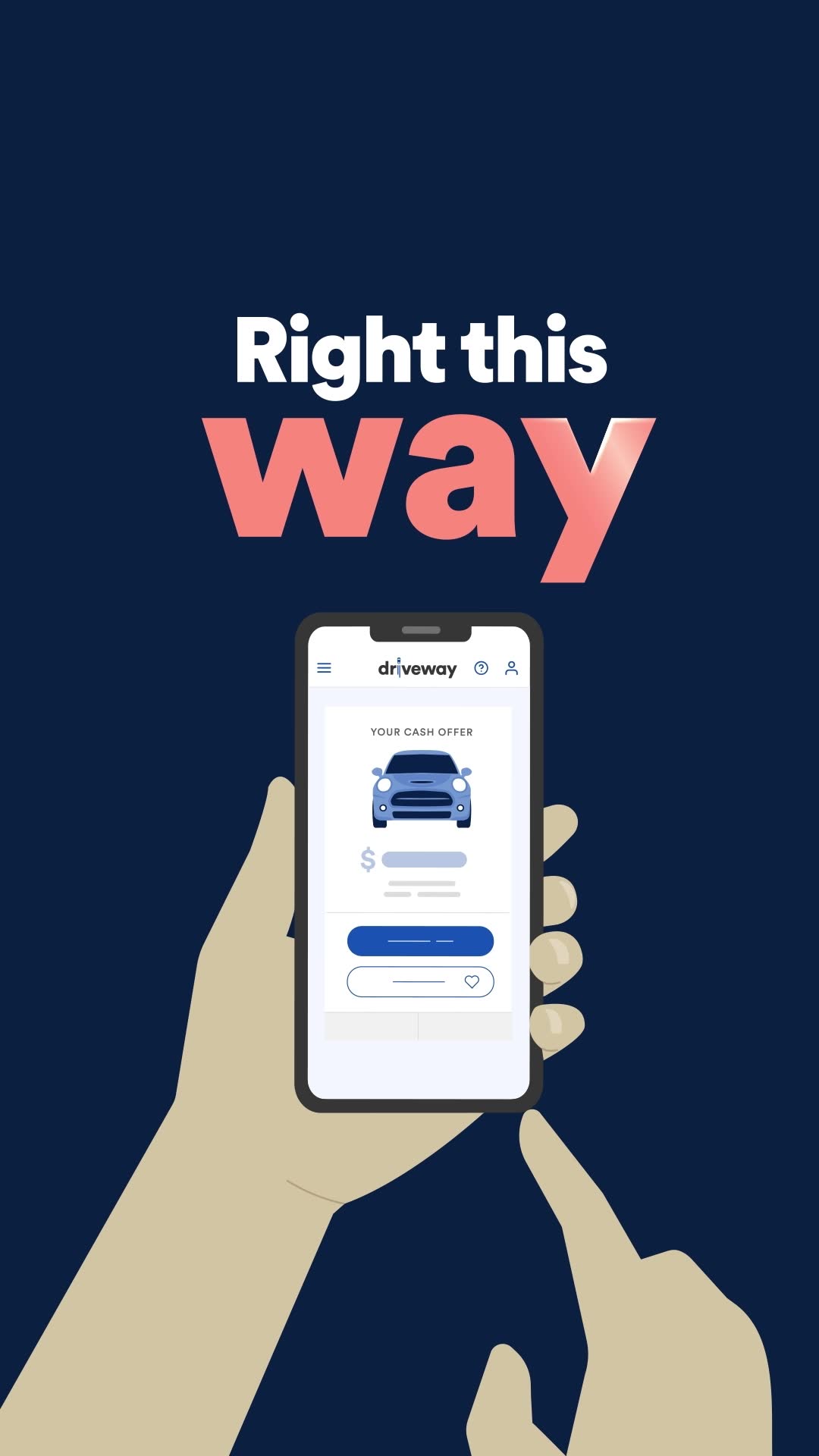
"Sell my car" is contested in the UK, the US and India at once. Reading across the set:

| Positioning | Who | Longest run in set |
|---|---|---|
| **Avoid the hassle of selling privately** | MotorMoolah -- *"No viewings. No haggling. Just paid."* | live 93 days |
| **We buy what others won't** | Guaranteed Car Buyers -- damaged, non-runner, won't start | **live 228 days** |
| **Speed and cash** | Cash For Cars, Pam Wants to Buy Your Car | live 64 days |
| **Compare offers, don't accept the first** | CarGurus, MotorMoolah | 40 days |
| **Instant online valuation** | Driveway, Sell My Car Pro | live 58 days |
| **Keyword arbitrage** | *"Search for Sell My Car Instant Valuation UK"* | live 71 days |

Four findings fall straight out of that table, and none required a paid tool:

**The longest-running ad in the category serves the ugliest segment.** Guaranteed Car Buyers' damaged-and-non-runner angle has been live **228 days** -- far longer than anything in the crowded "instant valuation" space. The unglamorous niche has less competition and more desperate buyers. That's the gap in this category, visible purely from run lengths.

**"Instant valuation" is saturated.** Five brands, near-identical promise, mid-length runs. Entering there means paying to be indistinguishable.

**Nobody owns the emotional objection.** Every ad in the set is functional -- fast, cash, no haggling. The anxiety of being ripped off is unclaimed.

**One advertiser told you the money keyword for free.**

## Offer wars are visible too

When two brands in a category escalate, the ad library records it like a transcript.

<div style="display:flex;align-items:flex-start;gap:8px;overflow-x:auto;padding-bottom:6px;margin:8px 0">
<img src="https://marx-ad-assets.s3.ap-south-1.amazonaws.com/424552764254311/1732883394343673/image_0.jpg" alt="Blue Apron Meta ad: come back for 30% off your next three orders" style="flex:0 0 32%;height:auto;border-radius:8px">
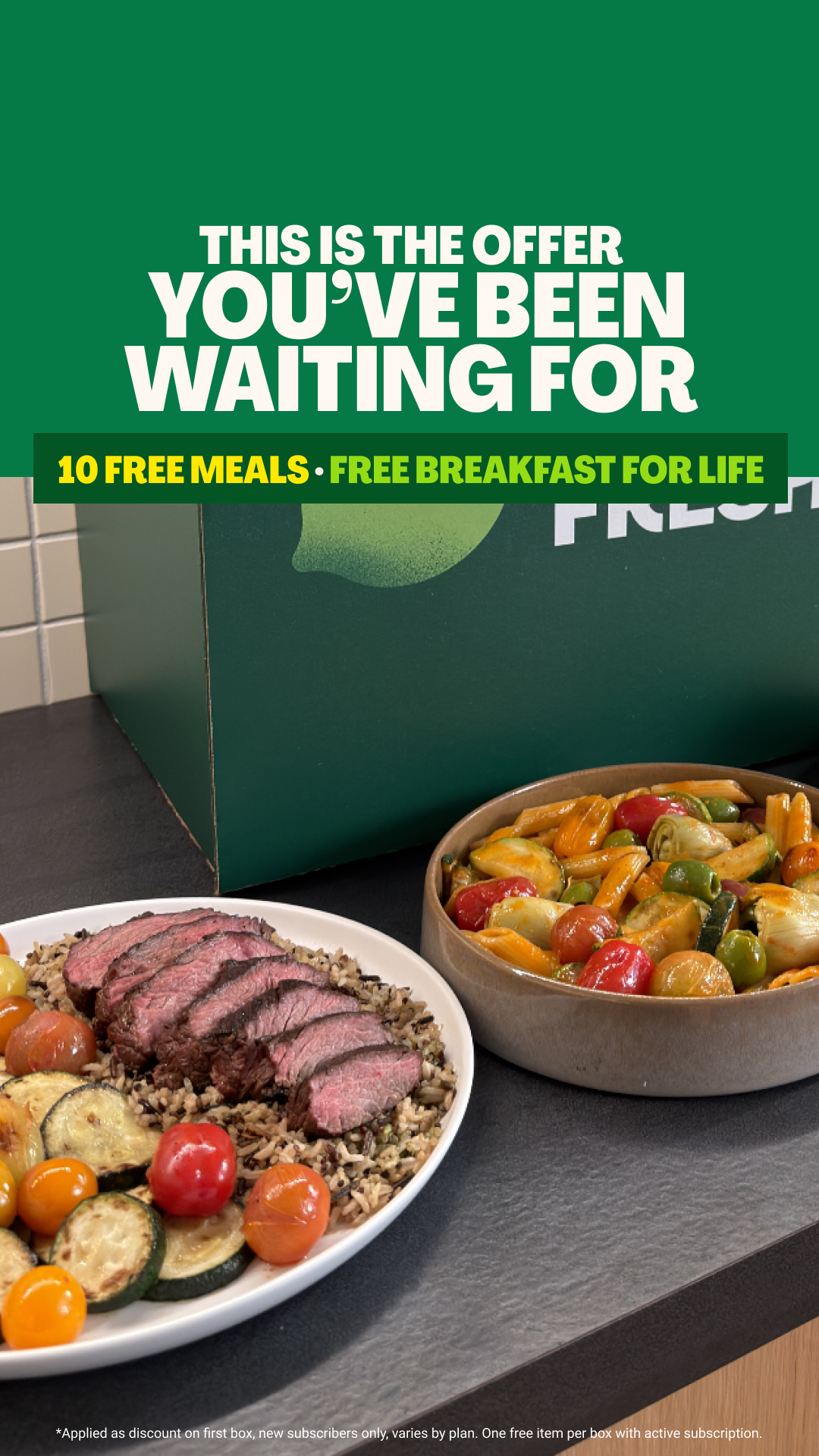
<img src="https://marx-ad-assets.s3.amazonaws.com/ads/320774061283785/1431939498998439/5f24749b.jpg" alt="HelloFresh Meta ad: this is the offer you&#39;ve been waiting for -- a week of free meals" style="flex:0 0 32%;height:auto;border-radius:8px">
<img src="https://marx-ad-assets.s3.ap-south-1.amazonaws.com/320774061283785/537054978845573/image_0.jpg" alt="HelloFresh Meta ad: get $200 off, homemade made easy, 50 weekly recipes and zero meal prep" style="flex:0 0 32%;height:auto;border-radius:8px">
</div>

Blue Apron: 30% off the next three orders (17 days), then $150 off (4 days), then 50% off two à la carte orders (0 days). HelloFresh across the same window: a week of free meals (live), $200 off (6 days), up to 10 free meals (3 days).

Two reads. First, both are escalating -- bigger numbers, shorter runs, which is what an offer war looks like from outside. Second, and more useful: the structure that *stayed live* is HelloFresh's "a week of free meals", which converts a discount into a unit the buyer already understands. Everything priced in currency burned out in under a week.

If you're in this category, that's your brief: stop discounting in rupees or dollars and start discounting in weeks, meals or boxes.

## The three signals that are noise

1. **Ad count.** A brand with 400 live ads isn't winning; it may just be running dynamic creative or a feed. Count *distinct concepts*, not ads.
2. **Production value.** A competitor's polished film tells you about their budget, not their results. Several of the longest-running ads in this article are text on a background.
3. **Any "estimated spend" figure.** Not available to anyone. Modelled from impressions and a guessed CPM, and wrong at exactly the moments you'd want it.

<div style="font-family:-apple-system,Helvetica,Arial,sans-serif;background:#0f1218;border-radius:12px;padding:20px 22px;margin:14px 0;color:#e8eaf0">
<div style="font-size:11px;letter-spacing:.14em;text-transform:uppercase;color:#8b93a7;font-weight:700;margin-bottom:13px">The weekly ritual -- 30 minutes</div>
<div style="display:flex;gap:10px;flex-wrap:wrap">
<div style="flex:1 1 200px;background:#171b24;border-radius:9px;padding:13px 15px"><div style="color:#7fd1a8;font-weight:700;font-size:13.5px;margin-bottom:6px">Mon -- what's new</div><div style="font-size:13px;color:#aab2c2;line-height:1.5">New concepts from your five tracked rivals. Concepts, not ads.</div></div>
<div style="flex:1 1 200px;background:#171b24;border-radius:9px;padding:13px 15px"><div style="color:#8ab6ff;font-weight:700;font-size:13.5px;margin-bottom:6px">Mon -- what survived</div><div style="font-size:13px;color:#aab2c2;line-height:1.5">Anything that crossed 60 days this week. That's a verdict, log it.</div></div>
<div style="flex:1 1 200px;background:#171b24;border-radius:9px;padding:13px 15px"><div style="color:#f0a04b;font-weight:700;font-size:13.5px;margin-bottom:6px">Mon -- what changed</div><div style="font-size:13px;color:#aab2c2;line-height:1.5">Offers, prices, subsidy figures, landing pages. Read the copy.</div></div>
<div style="flex:1 1 200px;background:#171b24;border-radius:9px;padding:13px 15px"><div style="color:#c9a0ff;font-weight:700;font-size:13.5px;margin-bottom:6px">Monthly -- the auction</div><div style="font-size:13px;color:#aab2c2;line-height:1.5">Auction Insights by keyword and over time. Who's gaining?</div></div>
<div style="flex:1 1 200px;background:#171b24;border-radius:9px;padding:13px 15px"><div style="color:#9aa3b5;font-weight:700;font-size:13.5px;margin-bottom:6px">Always -- end at a brief</div><div style="font-size:13px;color:#aab2c2;line-height:1.5">A board that never produces an ad is a hobby.</div></div>
</div>
</div>

## Where the line is

Everything in this playbook uses public ad libraries, your own account's reports, and licensed third-party tools. That's research, and every platform publishes these libraries deliberately.

What's not on the list: creating fake accounts to access gated content, scraping in breach of terms, clicking competitors' ads to cost them money, misrepresenting who you are to get a sales demo, or lifting a competitor's creative rather than learning from it. The first two are contractual problems; the third can be a legal one; the fourth is just bad work that produces a worse ad.

The useful boundary: **study the structure, never copy the execution.** Guaranteed Car Buyers' insight is "serve the segment others reject". That transfers to a clinic, a lender or a SaaS. Their actual ad doesn't.

## Where Marxx fits

Marxx tracks competitors across Meta and Google in one place -- creative, longevity, copy counts and the keywords they're bidding on -- and decodes every ad by hook type, offer type, ad type, emotion, social proof type, authenticity type and intended audience, so "what changed this week" is a filter rather than a memory test.

It also marks each hook, format and emotion in your sector as emerging, rising, plateaued or declining, by how many brands have adopted it and how long their ads stay live -- never by spend, which nobody can see.

**[Book a demo](/book-a-demo)** -- bring your top five rivals and we'll do a live teardown of everything they're running, on the call.

## FAQs

### How can I see my competitors' Google Ads?

Start with the Google Ads Transparency Center for their live creative, then open Auction Insights in your own account for impression share, overlap rate and outranking share. The first shows what they say; the second shows whether you actually compete.

### Is Auction Insights really free?

Yes -- it's a standard report in Google Ads, available at campaign, ad group and keyword level. It's first-party and auction-specific, which makes it more accurate than any third-party competitor estimate.

### Can I see how much a competitor spends on ads?

No. Nobody can. Figures labelled "estimated spend" are modelled from impressions and an assumed CPM. Use longevity and copy count instead -- both are observable.

### How do I find which keywords competitors bid on?

Keyword tools estimate it, Auction Insights confirms who shares your auctions, and manual SERP checks in your actual geography verify it. Also watch for social ads that instruct people to search a specific phrase -- those name the keyword outright.

### Is spying on competitor ads legal?

Using public ad libraries, your own account reports and licensed tools is standard practice. Fake accounts, terms-breaching scraping and click fraud are not. Copying creative is a separate risk from researching it.

### How many competitors should I track?

Five. Enough for a pattern, few enough to review weekly. Pick them from Auction Insights rather than from memory -- the real list is usually not the assumed one.

### How often should I check competitor ads?

Weekly for new concepts and offer changes, monthly for auction share. Daily checking produces anxiety and no additional signal.

### What's the single best signal to watch?

How long an ad has been running. It's free, public, and the only performance proxy nobody can fake -- an advertiser who keeps paying for 200 days has told you something no dashboard will.

---
- [More Competitive intel articles](https://marxx.ai/posts/category/competitive-intel)
- [All articles](https://marxx.ai/posts)