UGC ads work because they don't look like ads. The moment a tool makes them look like ads again, the advantage is gone.
That's the whole problem with shopping this category. Everything markets itself as "UGC at scale", and the outputs range from a real creator filming in their kitchen to an AI avatar reading your script in a studio that doesn't exist. Both have a place. They are not the same product, and they don't fail in the same way.
Here are the four kinds of tool, what each is actually for, and how to tell which one your account needs.
The four categories
| Category | What you get | Examples | Best when |
|---|---|---|---|
| Creator marketplaces | A real person films your product to your brief | Billo, Insense | You need authenticity and have 7–14 days |
| AI avatar generators | A synthetic presenter reads your script, many variants fast | Arcads, Creatify, HeyGen | You need volume of hooks, in days not weeks |
| Generation platforms with UGC modules | Script, voice, avatar and placement cuts in one flow | Higgsfield's UGC Factory, AdCreative.ai, Marxx | UGC is one output among several you need |
| Edit and caption tools | Captions, cuts and hooks on footage you already have | Captions and similar | You have raw creator footage and no editor |
Most teams need two: one that produces genuine footage a few times a quarter, and one that turns hooks over weekly.
What "compelling" actually looks like
Before the tools, the formats. These are real ads running now, and every one is a repeatable pattern you can brief tomorrow. What's useful isn't the product in each — it's the opening move, and how long each one survived.
Start with the most borrowed structure in the feed.
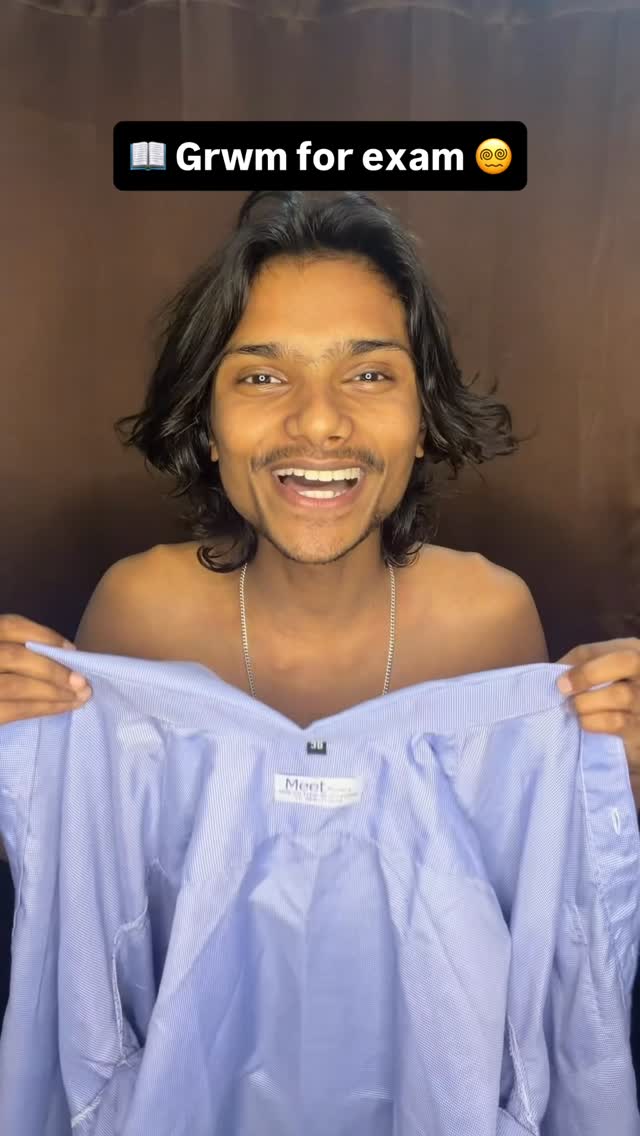
A get-ready-with-me before an exam, with the skincare joke arriving inside the routine rather than instead of it. The POV puts the viewer in a morning they recognise, which is why the format works — but this one ran 5 days, which is the honest number for most POV executions. The pattern is reliable; any single take of it is disposable. That's the correct mental model for UGC: you are buying attempts, not assets.
The same structure with a tighter promise does better.
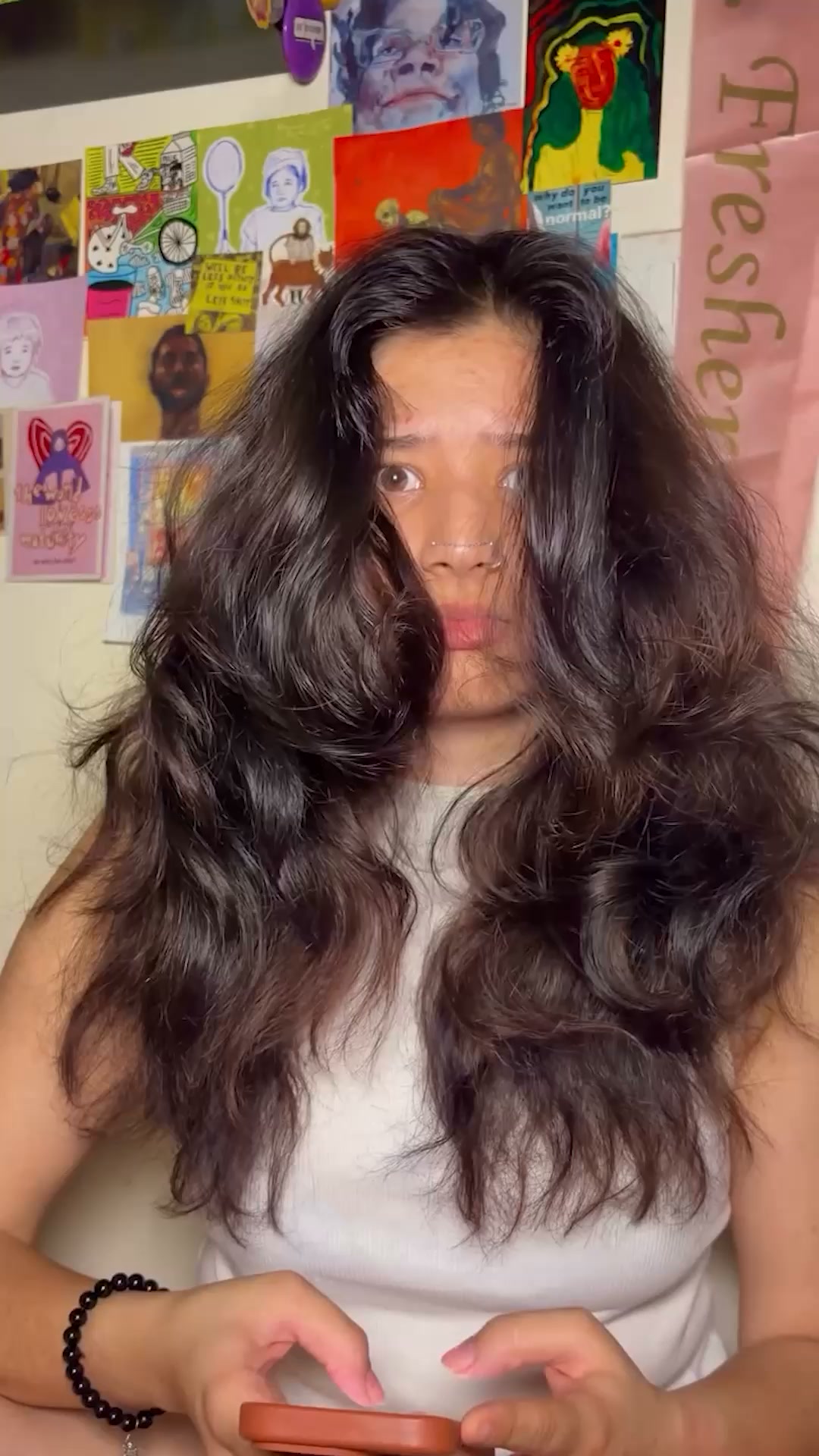
GRWM, wavy hair edition. Ran 27 days — five times the Foxtale run on the same underlying format. The difference is that the routine here is the product demonstration, so the ad has somewhere to go after the hook. A GRWM about a product you apply once in thirty seconds has thirty seconds of content; a GRWM about a routine has a minute.
The third pattern doesn't open on a routine at all. It opens on an accusation, gently aimed at the viewer.

Hours on the outfit, hours on the makeup, nothing on your teeth. Ran 25 days. This is the strongest pattern on the list for a low-consideration product, because it names a gap the viewer hadn't articulated — and you cannot discount your way to that feeling. The offer arrives later as a bundle, doing a hesitation-reducer's job rather than a hook's.
Then there is the one that proves production value is beside the point.
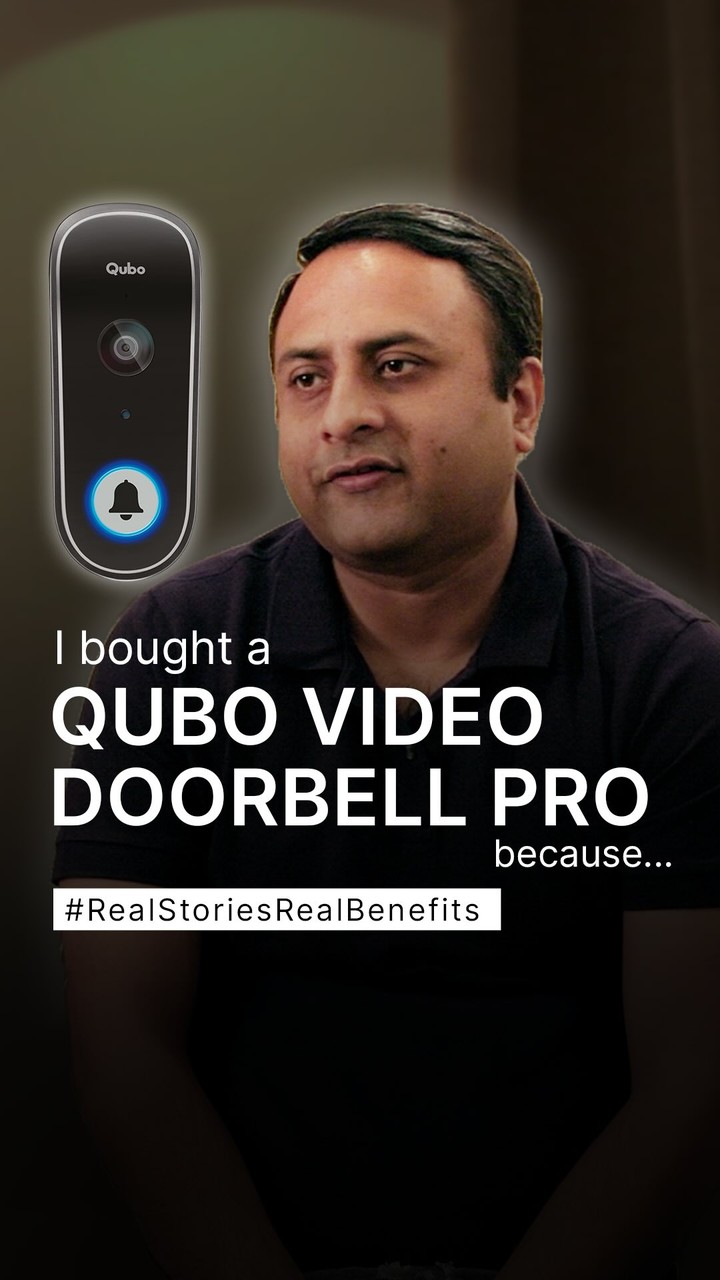
My son absolutely loves showing off the new doorbell that we have. A parent, a kid, a doorbell. Still running — live 14 days, with two near-identical copies behind it, which means the brand is actively backing it rather than letting it sit. The proof here is a third party: the kid's enthusiasm is the testimonial, and a studio version of this ad would be worse in every measurable way.
The reveal pattern is next, and it is the most fragile.
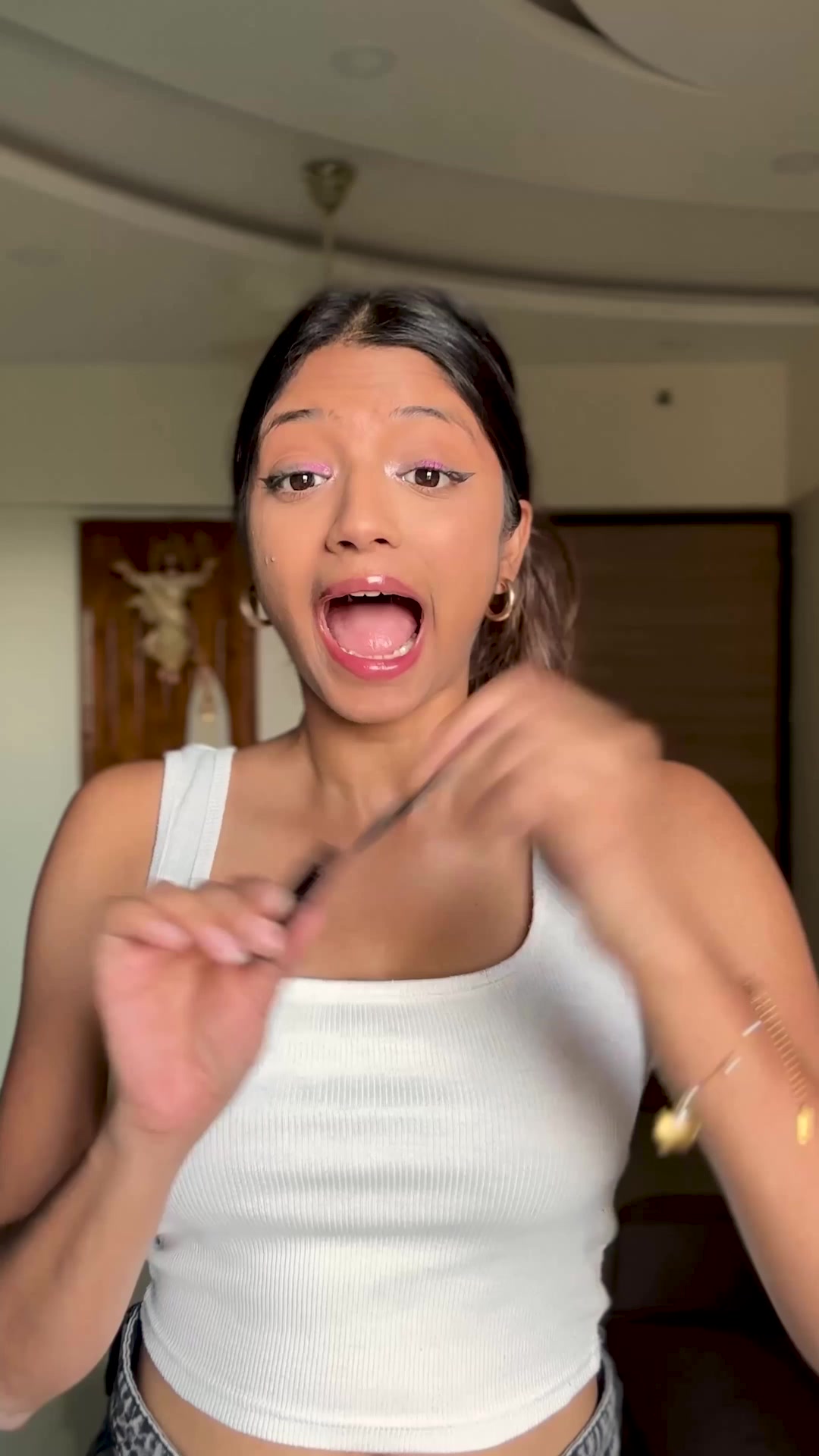
Mini chocolate. Maaad protein. A surprising spec doing the work the packaging can't. It ran 2 days — and that short life is instructive rather than damning. A reveal is a single-beat idea: once the viewer knows the surprise, the ad has spent itself. Brief reveals in batches of five, expect each to run briefly, and don't be surprised when one doesn't become a workhorse.
The confession is the opposite — it ages well, because the feeling it names doesn't go away.
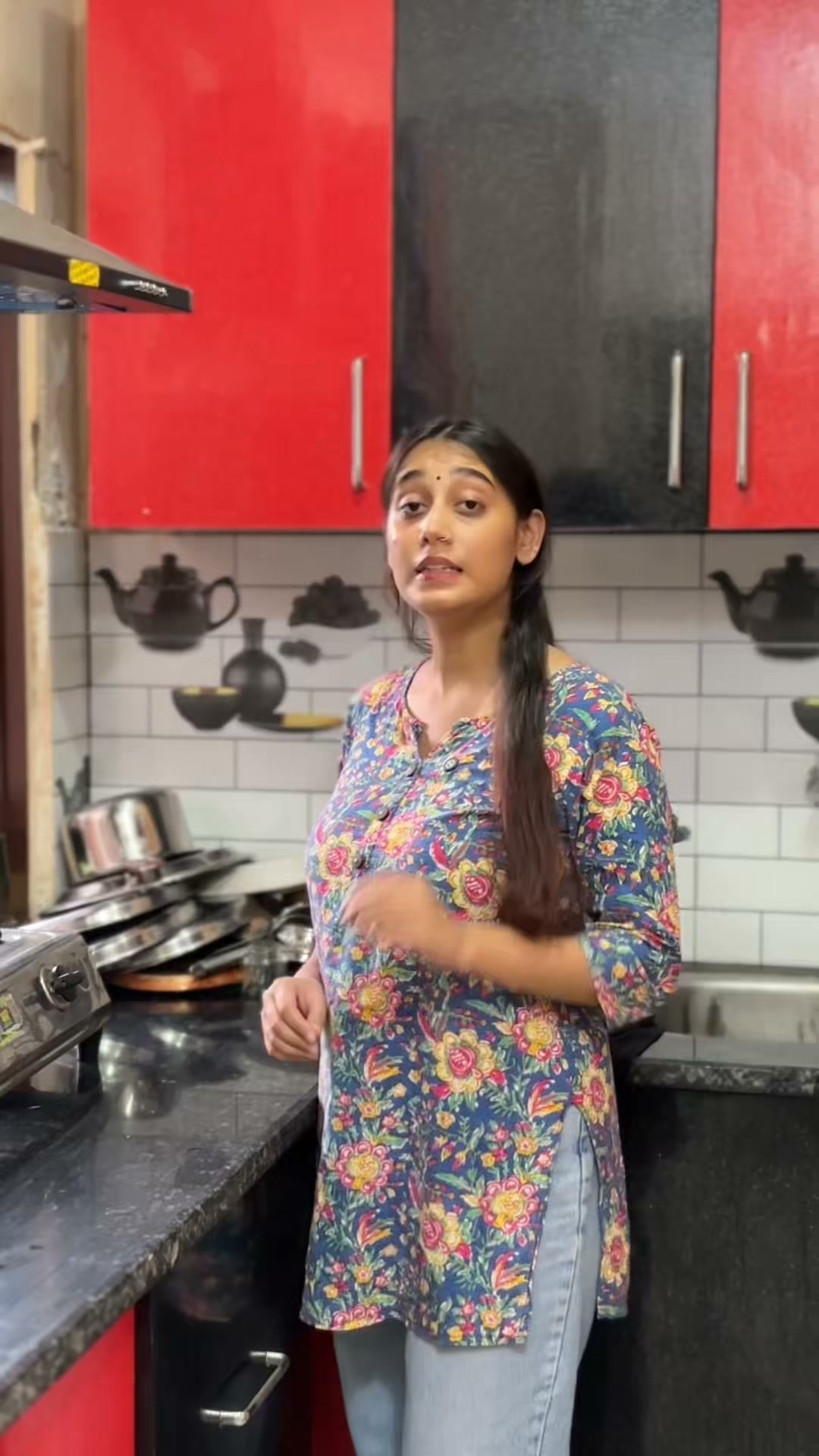
An admission, in Hindi, about time lost to reels and serials, pivoting into skills and income. Ran 5 days in this execution, but look at what the pattern is doing: the viewer agrees with the speaker before any product is mentioned. Admission earns attention, and the admission is reusable across a hundred different openings.
Now the two patterns that actually produce the long-runners, which are the ones most briefs under-use.
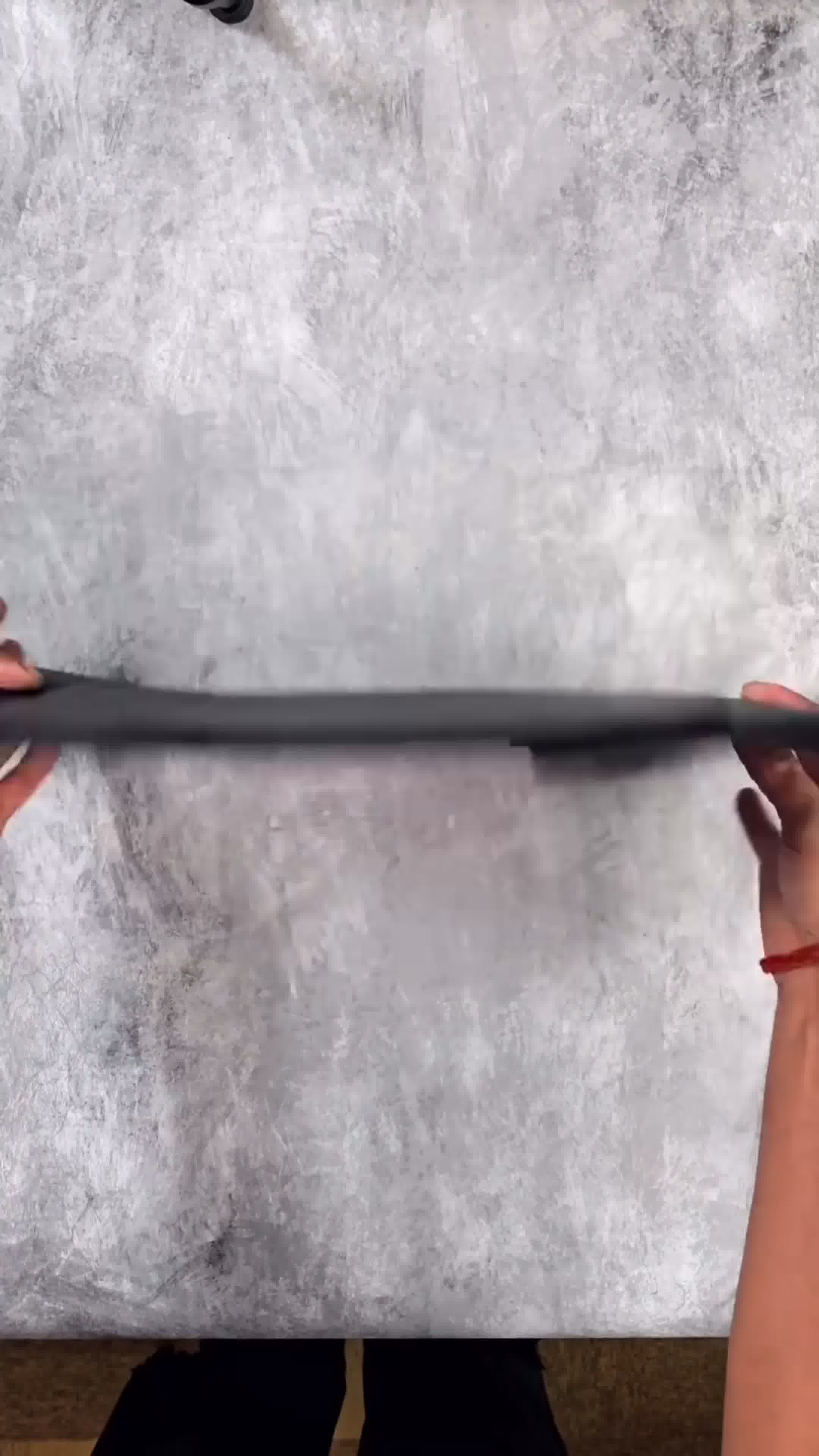
A creator takes a key and scratches the product surface, hard, on camera. Still running — live 182 days — the longest-running creative in this entire post, by a wide margin. No story, no routine, no joke. A demonstration of a claim that would be unbelievable if merely stated. Physical proof is the most durable UGC format there is, and it is the cheapest to shoot.
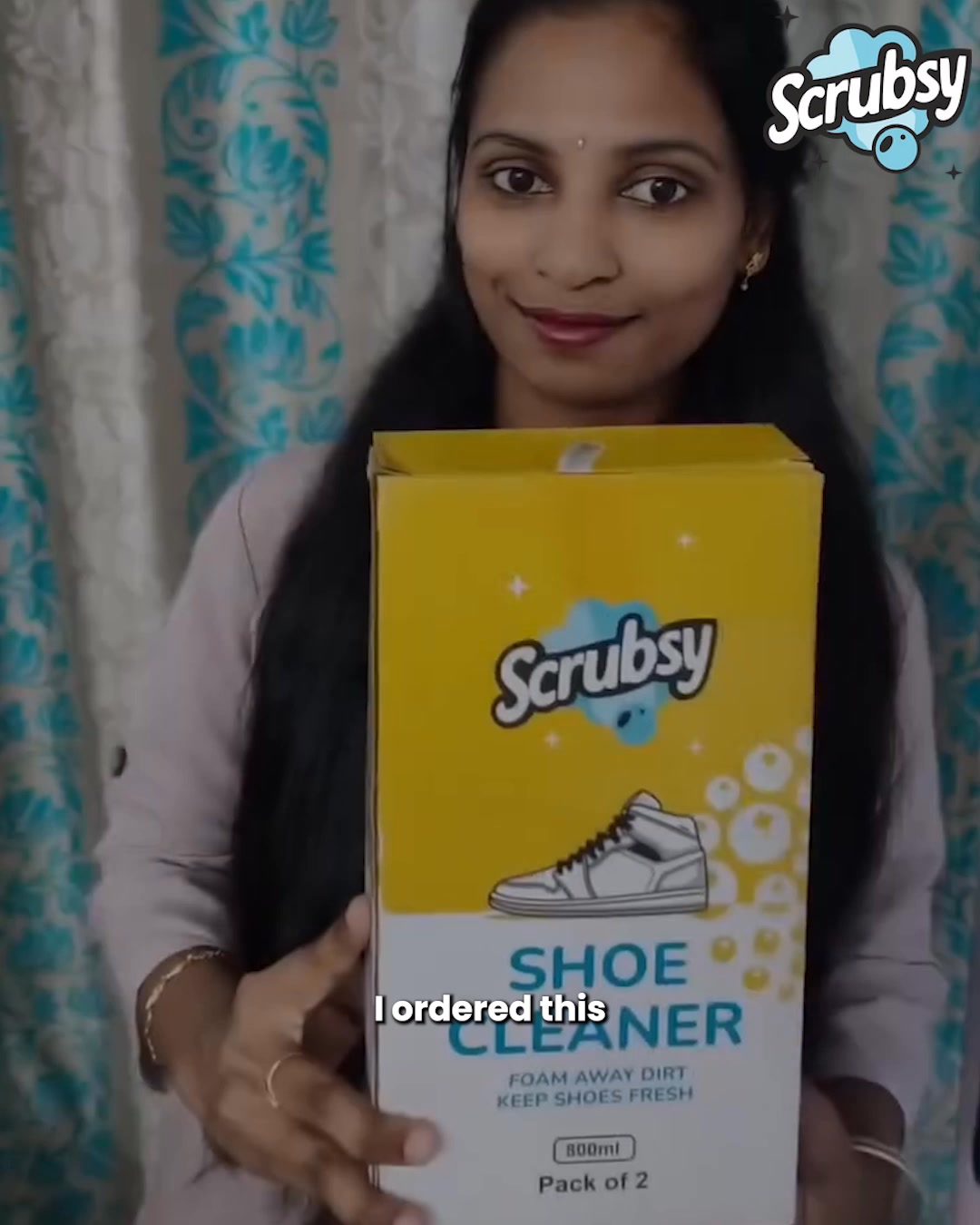
Same logic, different mess: a filthy shoe cleaned in seconds, with the buy-one-get-one riding along underneath. Still running — live 95 days. Two demos, 182 and 95 days, against POV and reveal executions running 5 and 2. That is not a coincidence — it is what happens when the ad's argument is visible rather than spoken.
Two more worth stealing. First, the contrarian opening:
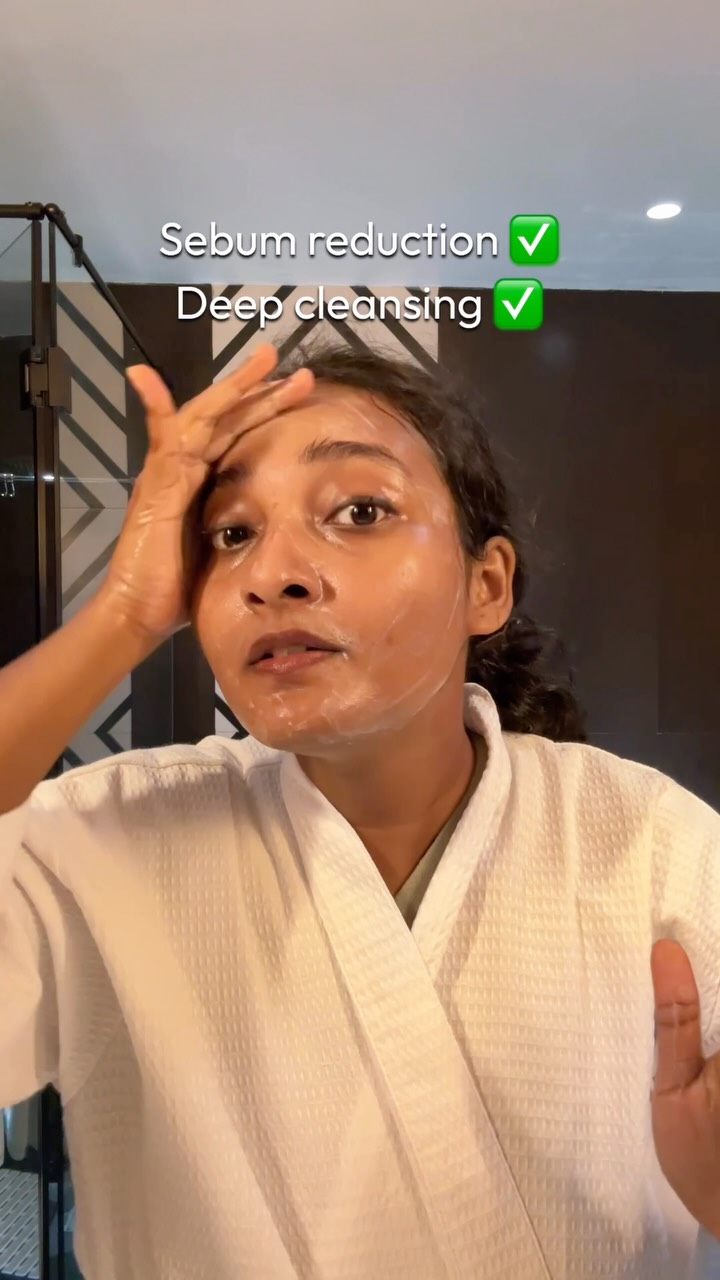
Influencers are all lying to you — said by an influencer, in an ad, about a category built on influencers. Live 12 days. It works because it buys permission: the viewer braces for a pitch and gets an apparent betrayal of the pitch instead.
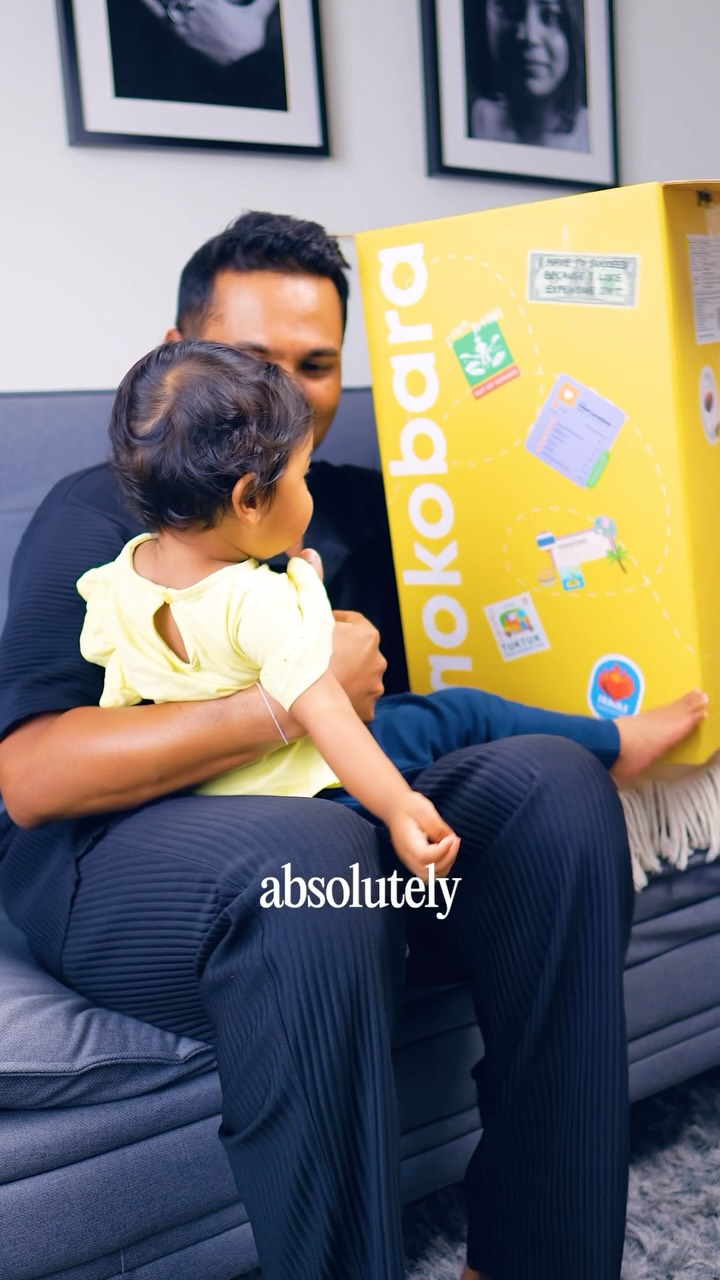
You've seen this bag before, haven't you? Well, sort of. Live 44 days. A knowing acknowledgement that the category is saturated, used as the entry point rather than ignored. Luggage is one of the most imitative categories in Indian D2C, and this ad's first line concedes it.
And one that borrows the creator's own life as the hook:
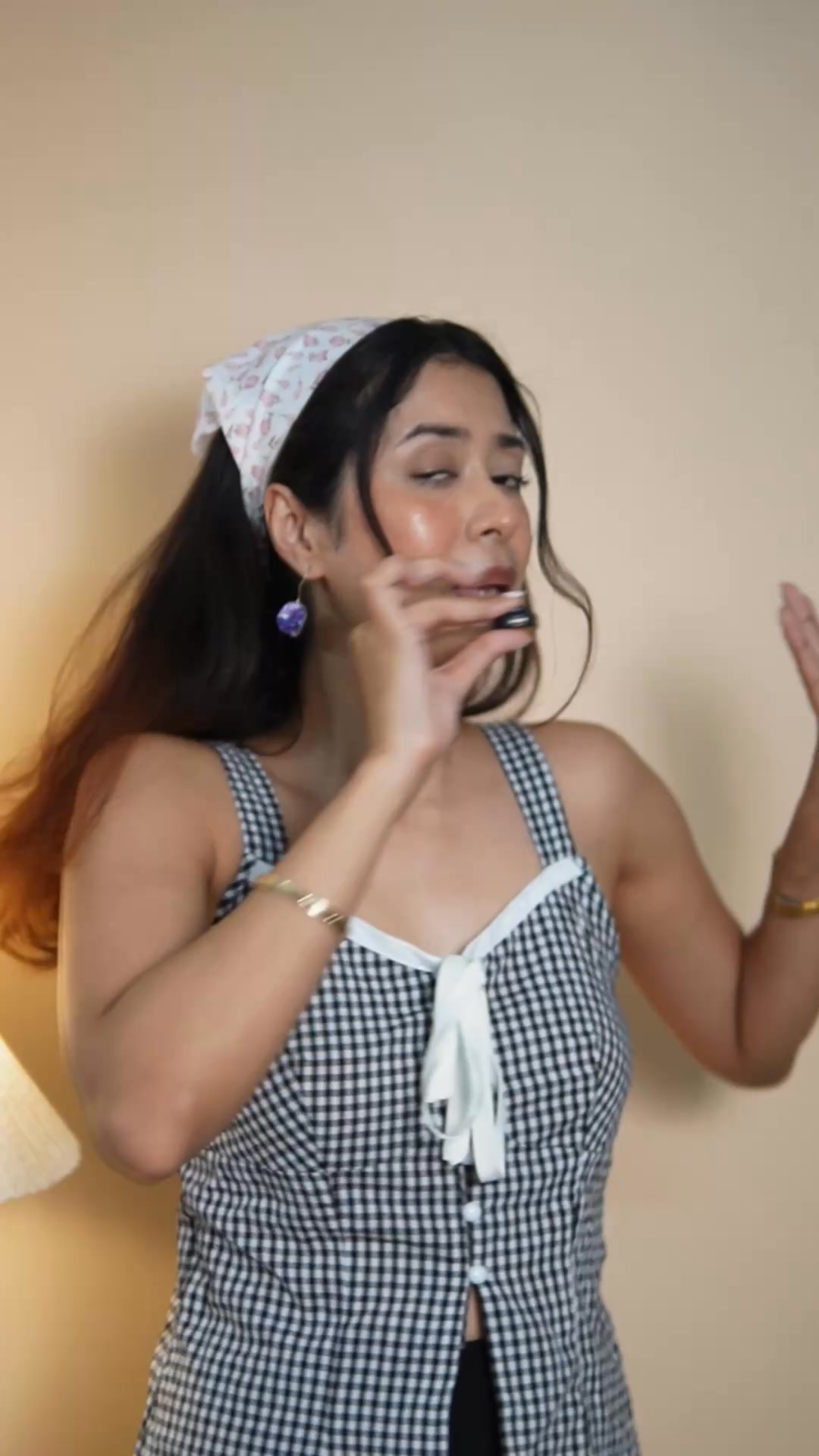
People think content creation is all fun and PR packages. Live 23 days, for sleep gummies — sold by someone explaining why they can't sleep. The product is the resolution of a complaint the creator was already making, which is as close to native as a paid ad gets.
Eleven ads, eleven categories, and one pattern across all of them: not one wins on polish. The runs that lasted — 182, 95, 44, 27 days — are a key scratching plastic, a dirty shoe, a wry line about a bag, and a hair routine. Here are the patterns, ranked by what they're reliably good for:
| Pattern | The opening move | Durability in this set |
|---|---|---|
| Physical demo | Scratch it, clean it, break it on camera | Longest-lived — 182 and 95 days |
| Category concession | "You've seen this before, haven't you?" | Strong — 44 days |
| GRWM / routine | "GRWM, wavy hair edition" | Strong when the routine is the demo — 27 days |
| The neglected thing | Hours on the outfit, nothing on your teeth | Strong — 25 days |
| Creator-life confession | "It's not all PR packages" | Good — 23 days |
| Household story | "My son loves showing off the doorbell" | Good, and brands back it with copies |
| Contrarian | "Influencers are all lying to you" | Good, and cheap to write |
| POV | Getting ready the morning of an exam | Short-lived per execution; brief many |
| The reveal | "Mini chocolate. Maaad protein." | Shortest — one beat and it's spent |
Where AI avatars genuinely help, and where they don't
They're good at: hook volume. Twenty openings for the same script, in a day, so you find out which framing works before you pay a human to film the winner. They're also good at languages — the same script in Hindi, Tamil and English without three shoots.
They're weak at: everything in the top half of that table. Look again at the 182-day ad — a hand, a key, a surface, and real scratching. An avatar cannot scratch anything. It cannot clean a shoe, hold a doorbell, or have a child run into frame. The formats with the longest lives in this set are precisely the ones that need a real object in a real hand.
The honest split most teams land on: avatars for the confession, contrarian and POV openings, where the argument is spoken; real creators for the demos and the household stories, where the argument is shown. Then avatars again to find the angle before you book the shoot, so you brief the human from evidence instead of a hunch.
Choosing by bottleneck
| Your situation | Buy this |
|---|---|
| "We have no footage at all" | Creator marketplace, and start now — lead time is the constraint |
| "We have footage and no editor" | Edit-and-caption tool |
| "We need 15 hook variants by Thursday" | AI avatar generator |
| "We need the same ad in three languages" | Avatar generator with voice cloning and dubbing |
| "UGC is one of six things we need this month" | Generation platform, so it isn't a separate stack |
| "We don't know which angle to brief" | None of the above yet — that's a research problem |
That last row is the common one. A tool that produces fifty variants of the wrong idea is an expensive way to be wrong faster.
Ten questions for the demo
- Can it write the script from a brief, or does it only read mine?
- How many avatars, and are they licensed for paid ads in my markets?
- Can I clone a voice, and whose consent does that need?
- Does it do lip sync in languages other than English?
- Can it cut 9:16, 4:5 and 1:1 from one render?
- Can it put captions in the safe zone automatically?
- Does the output pass as native in Reels, or does it read as a studio piece?
- Can it publish into Meta, or do I export and upload?
- What rights do I have to the output, and for how long?
- What does it cost per finished ad, not per generation?
Question two is the one people skip and regret. Avatar licensing terms vary by tool and by region, and "we generated it" is not the same as "you may run it as a paid ad in India".
Where Marxx fits
Marxx sits in the third category — UGC is one node in a wider canvas rather than a product of its own.
- Script from research. The brief comes out of what's already running in your category, so the hook is chosen before anything renders.
- Voice and avatar. AI avatars and a UGC studio, plus voice generation, cloning, changing and dubbing for multi-language cuts.
- Every placement. 9:16, 4:5, 1:1 and carousel from the same master.
- Into the account. Campaign, ad set and ad created in Meta, paused, so nothing spends before a human looks.
In practice: the patterns above become nine scripts in an afternoon, each cut for every placement. The ones whose argument is spoken get rendered and tested immediately. The ones whose argument has to be shown — the key, the shoe, the doorbell — go into a shot list for a real creator, briefed from whichever opening already proved it could hold attention.
Trial the canvas: turn one brief into a finished ad
Bring one product, one customer and one moment. On a 30-minute call we'll take it from research to a finished UGC-style ad on the production canvas, cut for every placement, and push it to your Meta account paused.
Book a demo and connect one ad account on the call. If you want to see how the patterns above get identified in the first place, creative intelligence explains the decode.
FAQs
What tools can generate UGC ads for Facebook?
Four kinds: creator marketplaces that hire real people (Billo, Insense), AI avatar generators (Arcads, Creatify, HeyGen), generation platforms with UGC built in (Higgsfield's UGC Factory, AdCreative.ai, Marxx), and edit-and-caption tools for footage you already have.
Do AI UGC ads actually perform?
For hook testing, consistently — you learn which framing works without a shoot. For the final winner it depends on the pattern: spoken-argument formats like confessions and contrarian openings translate well to avatars, while the longest-running ads in this post are physical demonstrations that an avatar cannot perform.
How much UGC does an account need?
Enough distinct openings to learn from: six to ten hooks a month is a workable pace for most advertisers, with the survivors reshot properly rather than resized.
Is AI-generated UGC allowed on Meta?
Meta's policies concern the claims and the disclosure, not the production method. The risk sits in unlicensed likenesses and cloned voices, so check the tool's rights terms before you run anything with a face in it.
What makes a UGC ad compelling?
A recognisable situation in the first second, a real voice, and a product that appears as part of a life rather than a hero shot. On the evidence here, the single most durable choice is to show your claim being tested rather than say it — the two longest-running ads in this post are both someone abusing a product on camera.
Which UGC format lasts longest?
Physical demonstration, by a wide margin. The ads in this post that are still running after three and six months are a key scratched across a surface and a filthy shoe cleaned in seconds. Reveals and single-joke POVs tend to spend themselves in under a week.
Should I use avatars or real creators?
Both, by format. Avatars for openings that are spoken, and for finding the angle cheaply. A real creator for anything the viewer has to watch happen.
Sources: Billo's UGC platform comparison, Higgsfield's UGC and character tools