# Video Ad Strategy for Meta: Formats, Lengths and Structures That Convert
> Hook structures tested against how long Meta video ads actually stay in market -- and why the cleverest ideas churn fastest.
- **Author**: Marxx
- **Published**: 2026-10-04
- **Category**: Creative strategy
- **URL**: https://marxx.ai/posts/video-ad-strategy-meta
---
Every brand running paid social on Meta eventually asks the same question about video: how long should it be, which format wins, and what should happen in the first three seconds. The answers that circulate are mostly folklore -- six seconds for awareness, fifteen for consideration, hook-retain-payoff, three-act structure. None of it comes with evidence attached.
So we went and looked. What follows is built from live and recently-retired Meta video ads, read on the only honest signal available from the outside: how long each one stayed in market, and how many near-identical versions of it the brand chose to run. A brand that keeps paying to serve the same video for four months has told you something. A brand that pulls one after five days has told you something too.
One caveat worth stating plainly, because most articles on this topic quietly skip it: we cannot see runtime. Nobody outside the advertiser can. So this is not a piece about whether your video should be fifteen seconds or thirty. It is about structure -- what the ad does, in what order, and what it puts on the screen -- which turns out to matter considerably more than duration anyway.
## The first frame carries the claim, or the ad does not last
The single clearest pattern in the set: ads that survive put their claim on screen as text in the opening frame. They do not save it for the voiceover.
Foxtale's oil and acne control face wash ad opens on a typeset promise -- get visibly clear skin in 7 days -- with the product and the user's face underneath it. It ran 120 days.
Compare that to the shape most brands reach for, where the opening frame is a person starting to talk and the claim arrives four seconds in. If the viewer leaves at second two, they got nothing. If they leave at second two on the Foxtale ad, they got the entire offer.
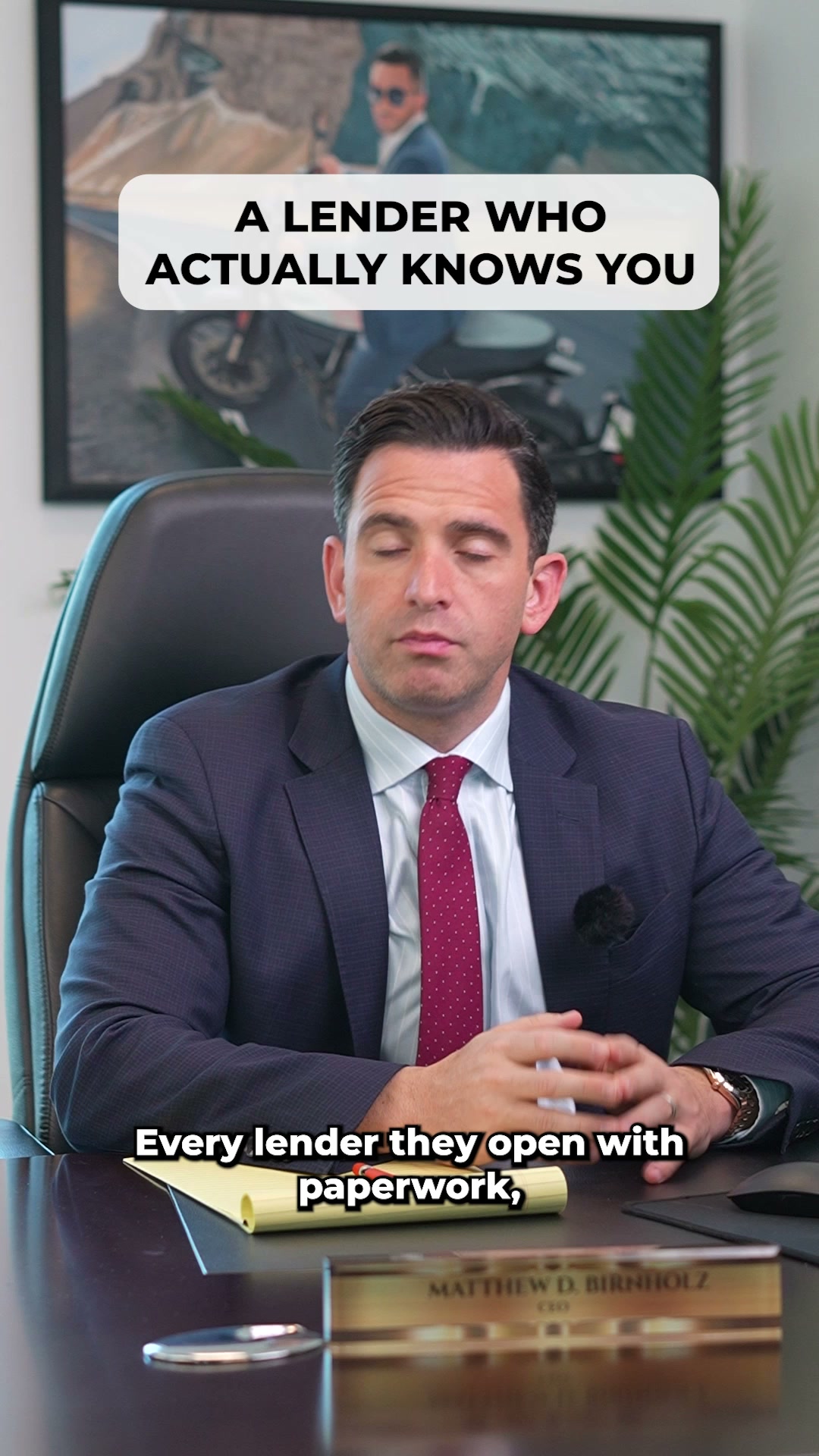
This is not a beauty-category quirk. Capital-Infusion, lending to US small businesses, opens on a caption card reading "a lender who actually knows you" over a spokesperson who has not said a word yet.
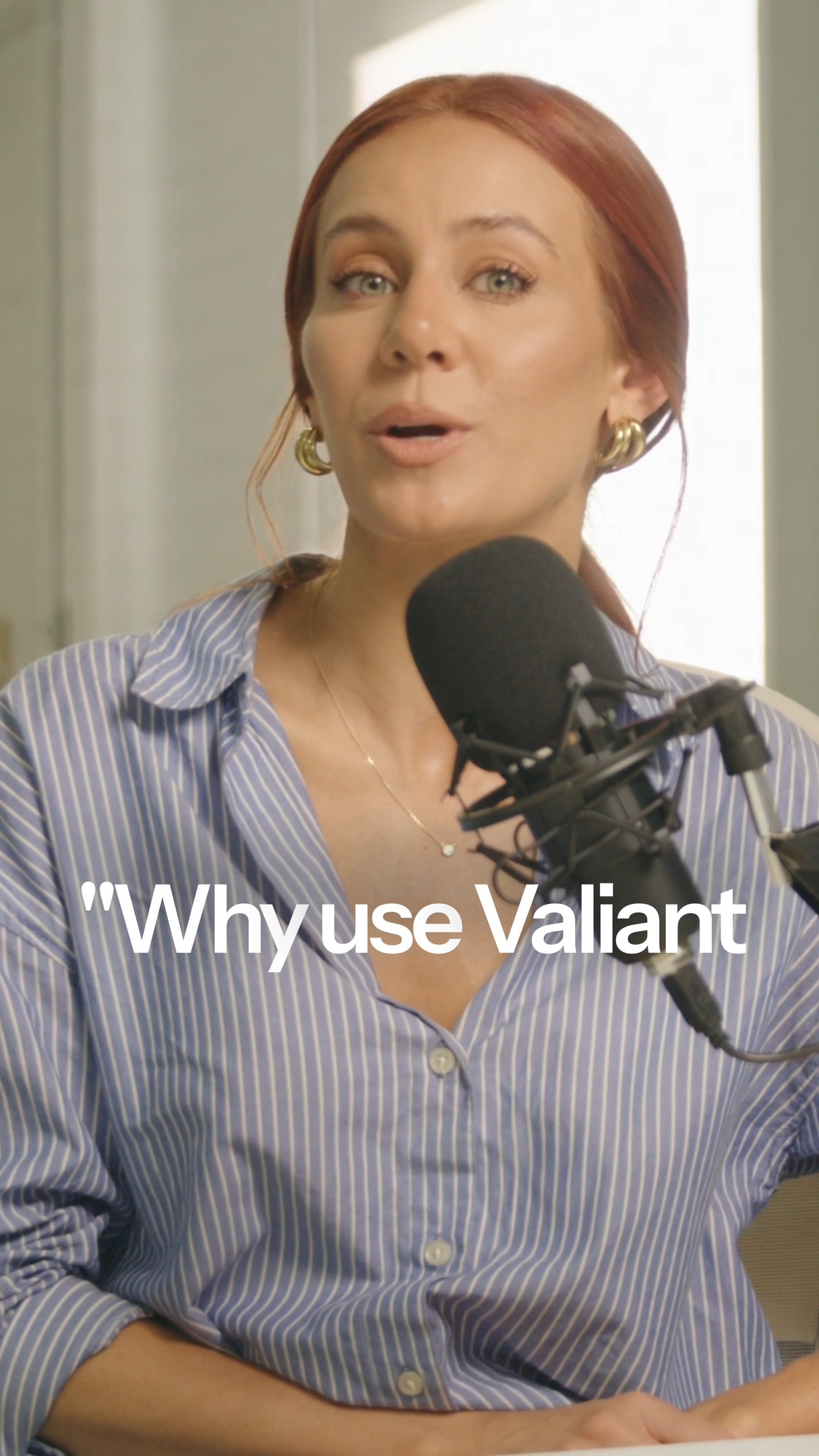
Valiant Business Loans does the same thing in Australia, burning the question "Why use Valiant" straight into the frame before the answer begins.
And Grow Digitally -- the longest-running video ad in the whole set at 205 days and still live -- does not merely put the claim on screen. It puts the entire offer there: who it is for, what is included, and the call to action, all legible in a single frame with the spokesperson tucked into a corner.
Two hundred and five days is a long time to keep paying for one video. The structure that earned it is the least cinematic one available: a list, on screen, with a face next to it.
## Numbers in the first frame outlast adjectives
A narrower version of the same finding. Across the set, ads whose opening frame leads with a figure ran longer than ads whose opening frame leads with a description.
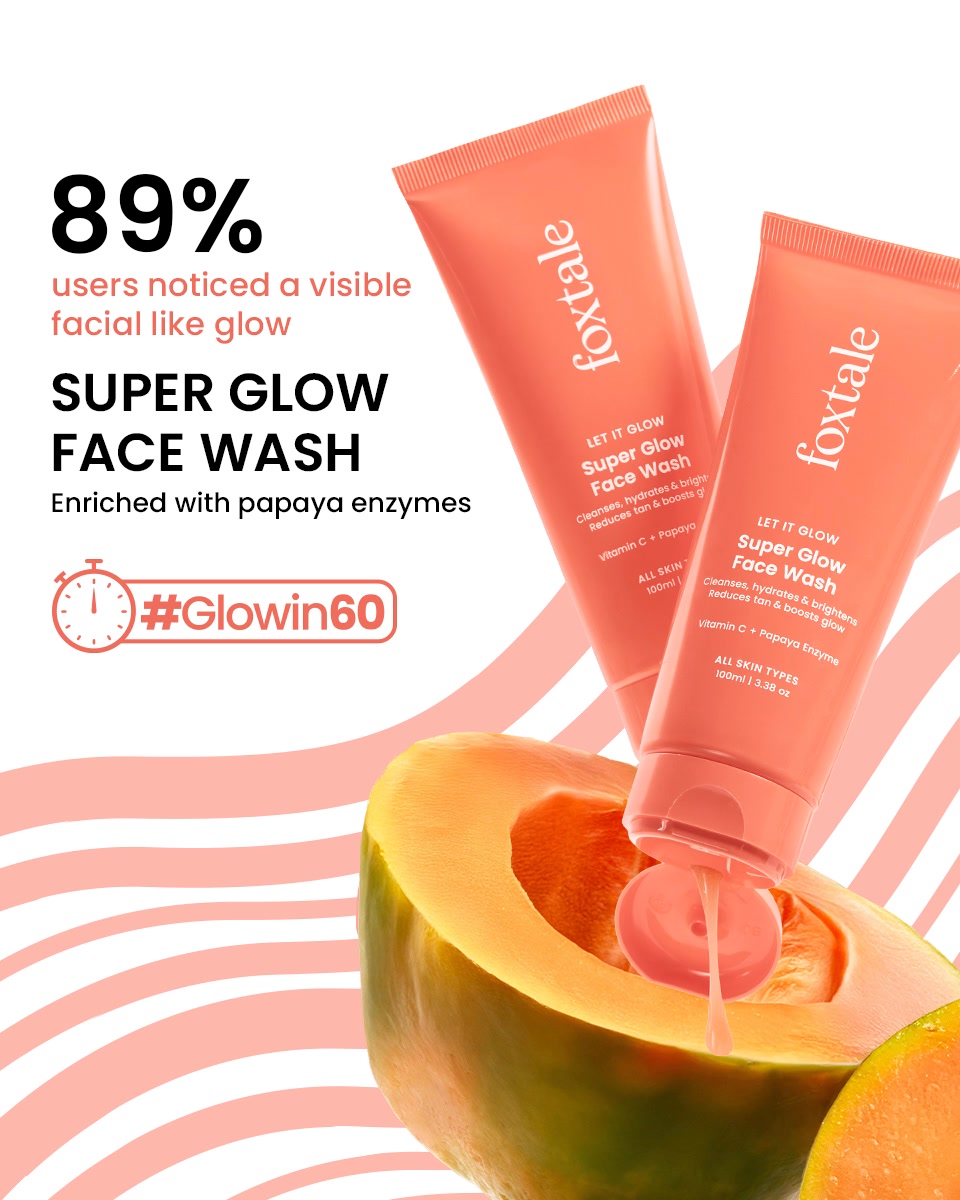
Foxtale's Super Glow face wash ad opens on "89%" set large, with the claim underneath it and the product arranged below that. It ran 74 days.
The same brand's 120-day ad leads with "7 days." Both are specific, both are checkable, both are on screen before anyone has spoken. Their two long runners share that property and share little else -- different products, different art direction, different casting.
The mechanism is not mysterious. A number is a promise a viewer can evaluate in under a second. "Visibly brighter skin" requires them to decide how much they trust you first.
## The most durable structure is also the cheapest one
Here is the finding most likely to annoy a creative team.
Sort the set by how long each ad stayed in market and the top of the list is dominated by one structure: a person talking to a camera, with text on screen, in a room. Grow Digitally at 205 days. Adscrey at 117 days, a founder in an office chair with a caption bubble. The Man Company at 130 days, a UGC selfie opening on a negative hook -- do not buy this -- before reversing. Funding Fred at 48 days. Valiant and Capital-Infusion both currently live.
Not one of these involved a shoot that would trouble a budget line. They are spokesperson-and-educational ads, which is the structure every brand treats as the fallback when the ambitious idea does not come together in time.
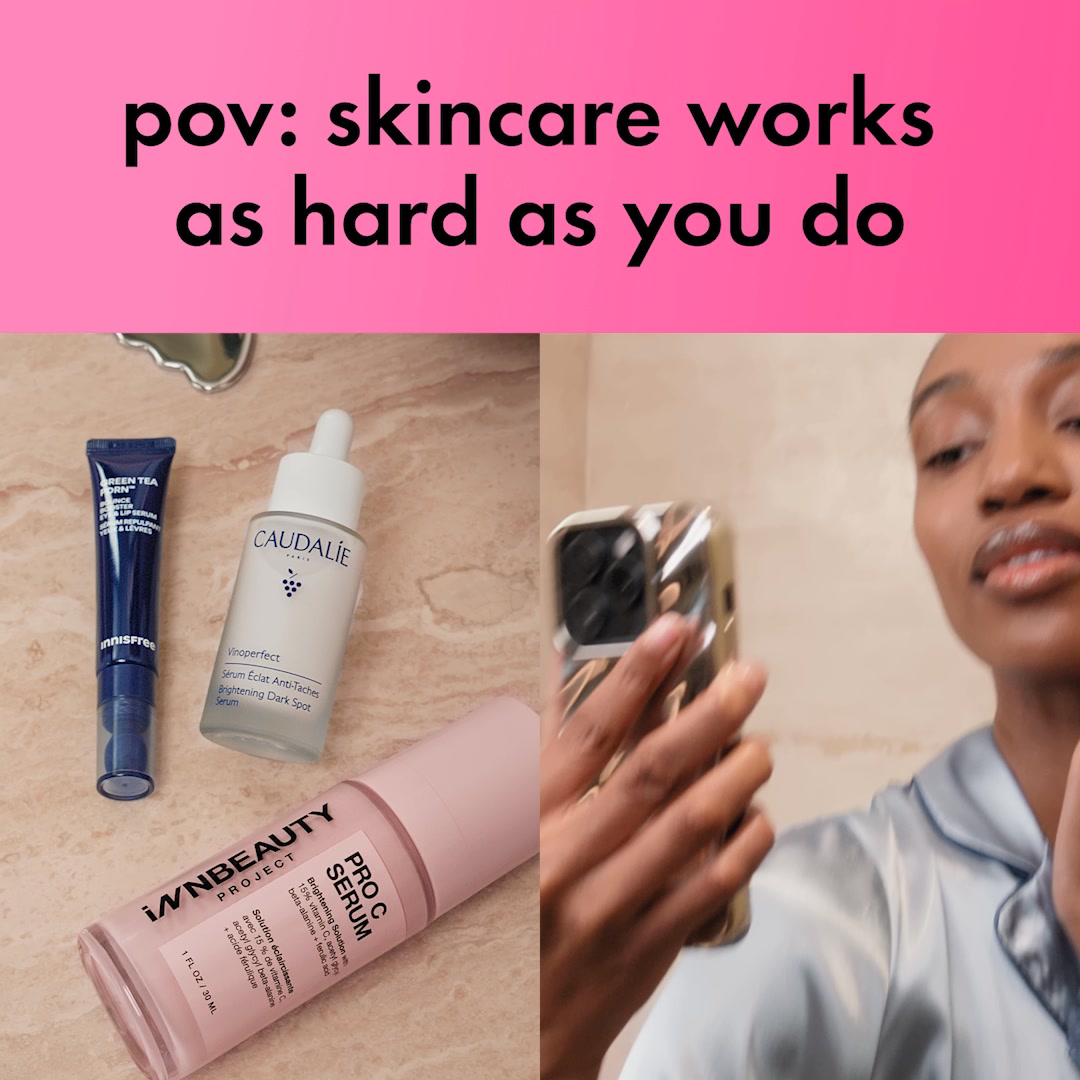
Meanwhile, the ads with genuine craft in them churn. Sephora's "pov: skincare works as hard as you do" is a well-made piece of work -- a strong typographic plate, a considered cut, a clear idea.
It ran 61 days, which is respectable, and it is being outlasted by a coach-marketing ad shot against a plain wall.
## The cleverest structures die fastest
This is where it gets uncomfortable, because the pattern holds with unusual consistency.
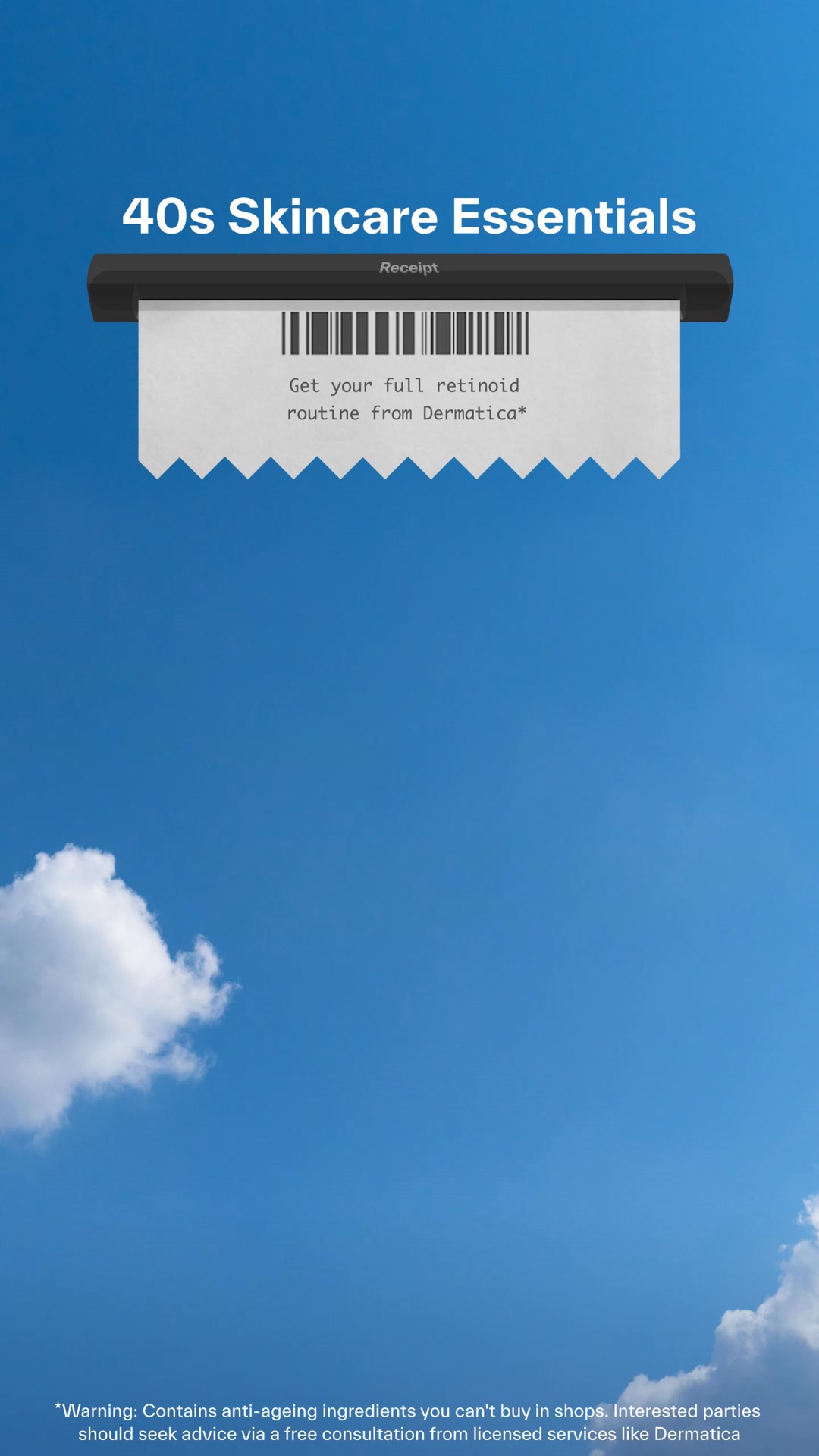
Dermatica built an ad around a receipt -- a shopping docket itemising "40s Skincare Essentials" and totalling to "glowing skin." It is the best single idea in the entire set. It ran 8 days.
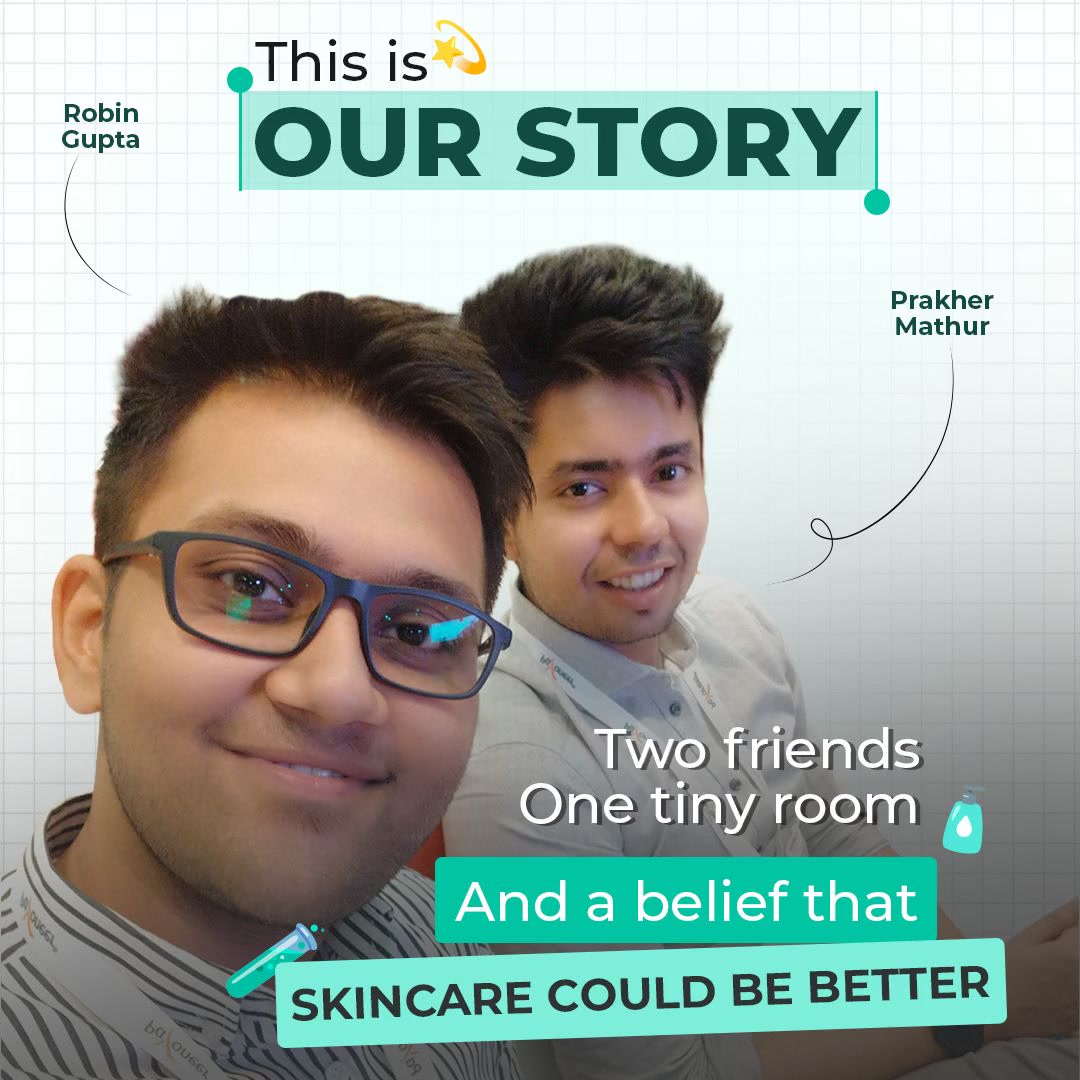
Conscious Chemist built a founder origin story: two friends, one tiny room, and a belief that skincare could be better. Properly made, properly shot, emotionally legible in the opening frame.
Seven days.
Bombay Shaving Company's comedic interruption skit, where one version of the creator stops the other from recommending a fourteen-step routine: seven days. Seekho's two-friends skit: five days. Atria AI's hypothetical -- if a creative strategist started using Atria for two weeks, here is what would happen -- rendered as animation: five days.
The common factor is that all of these require the viewer to stay in order to receive anything. A metaphor only lands when it resolves. A skit only works at the punchline. An origin story is a story, which means it has an ending, which means the first frame is a setup rather than a payoff. When you buy attention by the impression rather than by the viewer, that is an expensive way to structure an ad.
The spokesperson-with-text structure is unglamorous because it front-loads. That is precisely why it survives.
## What a long run actually looks like inside the account
The second honest signal is scale: how many near-identical copies of one video a brand runs at once. This is the closest outside view of conviction.
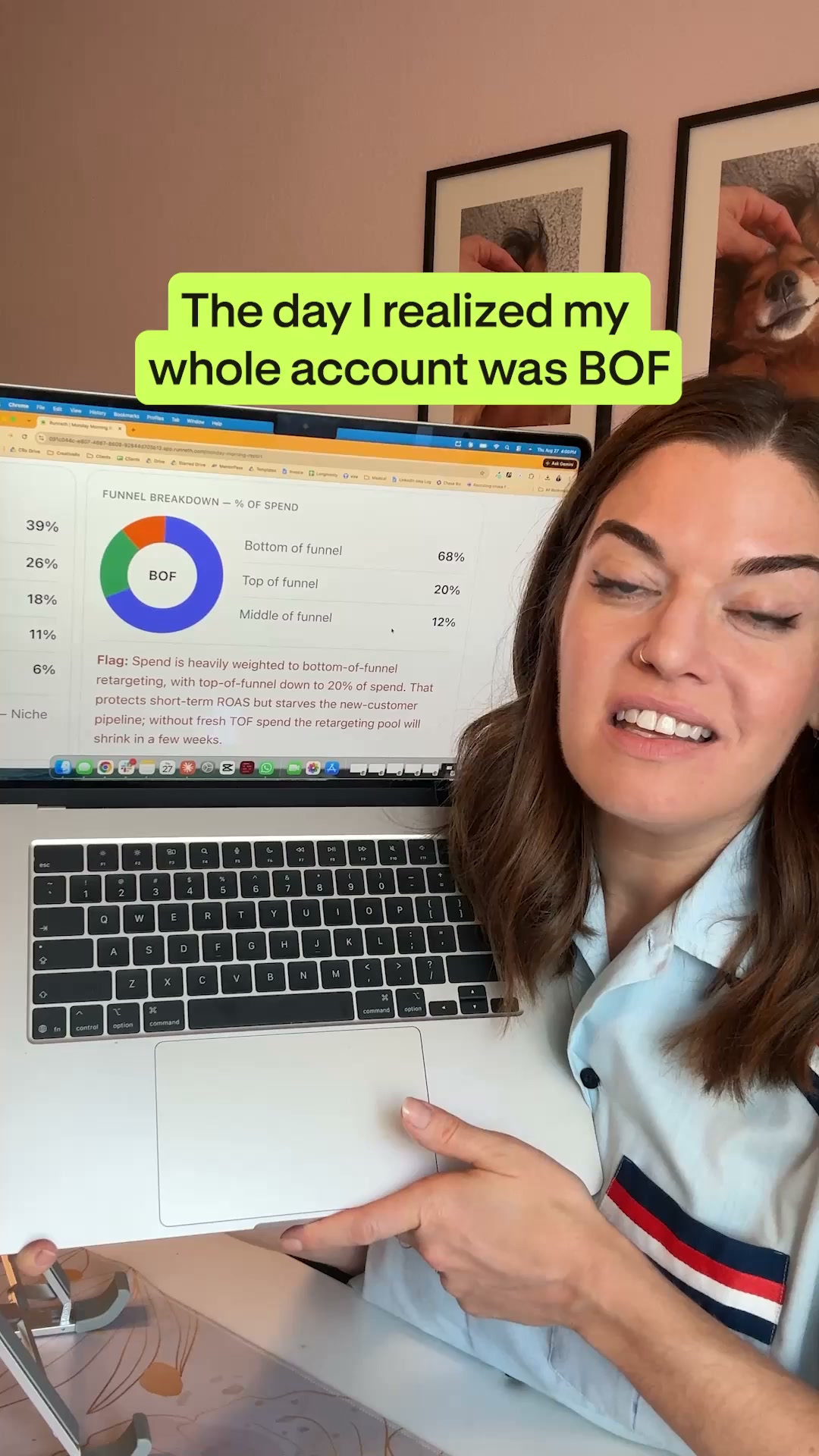
Clutch, selling car trade-ins in Canada, runs five near-identical copies of its dealership-meeting skit. CeraVe runs three of one cinematic morning-routine spot. Prospa runs two. Motion runs two of its bottom-of-funnel confession ad.
That matters more than it looks. A single ad at 60 days and five copies of an ad at 20 days are different bets, and reading only the longevity column will mislead you about which brand committed harder.
The inverse is visible too, and it is the most practically useful thing in this piece. SimplePlan Media is currently running four separate video ads -- different scripts, different hooks, one on positioning, one on websites, one on B2B contracts, one a potato-selling skit -- that all open on the same visual shell. Same frame, same treatment, four different arguments. Each has been live between four and twelve days.
That is a brand testing the script against a fixed production variable. Whatever it learns, it learns about writing, not about lighting. It is also the only sane way to run a video test, because changing the shell and the script at the same time means the result cannot be attributed to either.
## A structure shortlist, with evidence
| Structure | Opening frame | Evidence in this set |
|---|---|---|
| Offer-on-screen + spokesperson | Full offer as text, face in corner | Grow Digitally, live 205 days |
| Claim-as-text + demo | Typeset promise over product | Foxtale, ran 120 and 74 days |
| Negative hook, UGC selfie | "Don't buy this" | The Man Company, live 130 days |
| Question card + talking head | Objection burnt into frame | Valiant, Capital-Infusion, both live |
| Problem-solution, spokesperson | Named frustration as caption | Adscrey, live 117 days |
| POV / personal experience | Styled type plate | Sephora, ran 61 days |
| Visual metaphor | Setup requiring resolution | Dermatica, ran 8 days |
| Founder origin story | Narrative setup | Conscious Chemist, ran 7 days |
| Comedic skit | Setup requiring punchline | Bombay Shaving 7 days, Seekho 5 days |
Read it top to bottom and the gradient is clear. Structures that deliver in frame one last. Structures that defer delivery do not.
## Building these without a shoot for each one
The practical obstacle to running this properly has always been production. Testing six hook structures against one offer means six videos, and six videos means six briefs, six edits and six rounds of revisions -- by which point the test is stale.
That is the problem the Marxx generation canvas is built for. The brief and the finished ad live on the same canvas, so one piece of research becomes several finished cuts without restarting the process each time.
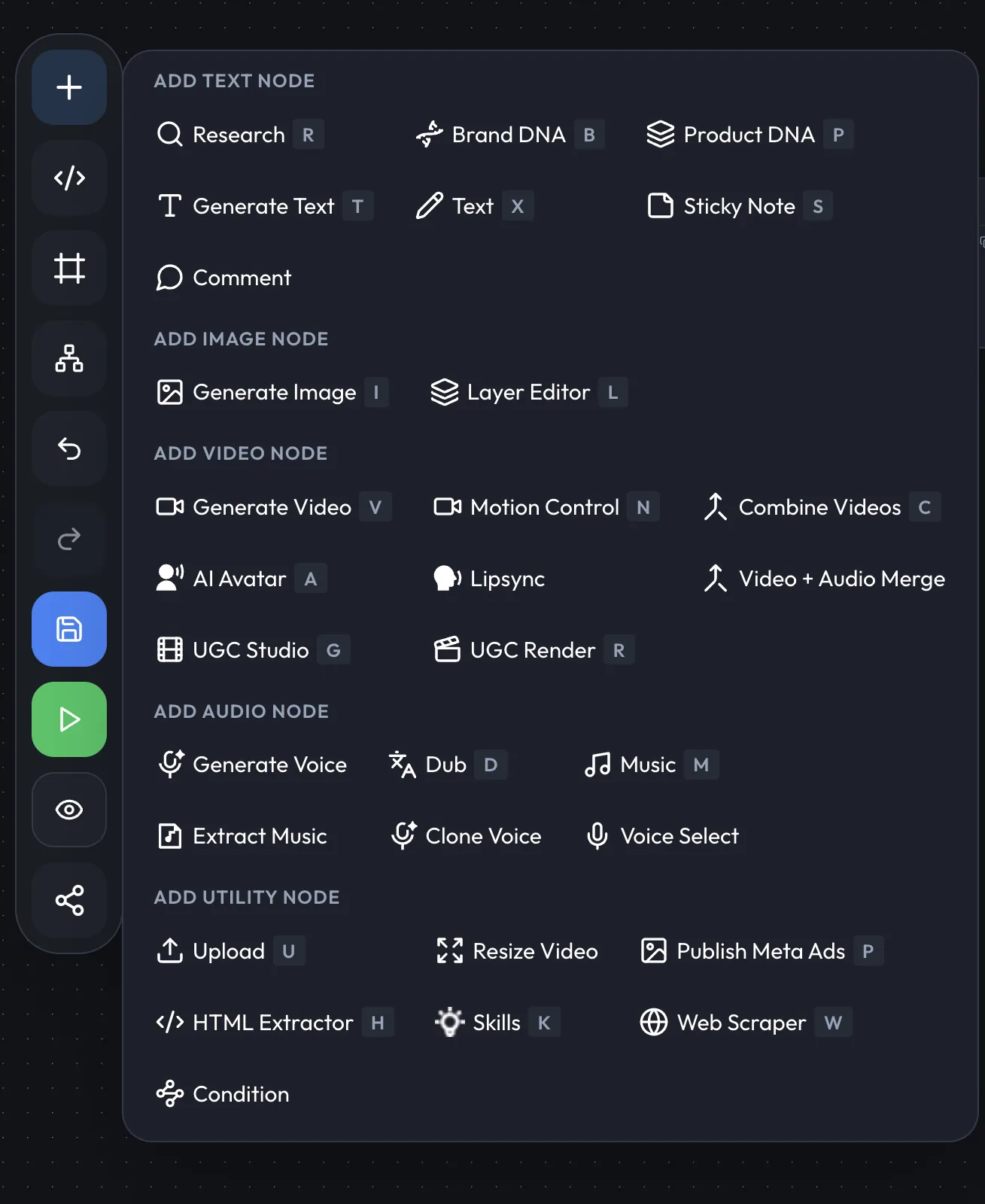
The node library covers the whole chain the structures above need: Research, Brand DNA and Product DNA to ground the script; Generate Text to write it; Generate Voice, Clone Voice and Voice Select for the read; AI Avatar, UGC Studio and UGC Render for the spokesperson shell; Lipsync, Motion Control and Combine Videos to assemble it; and Resize Video so one build covers every placement rather than becoming its own production job.
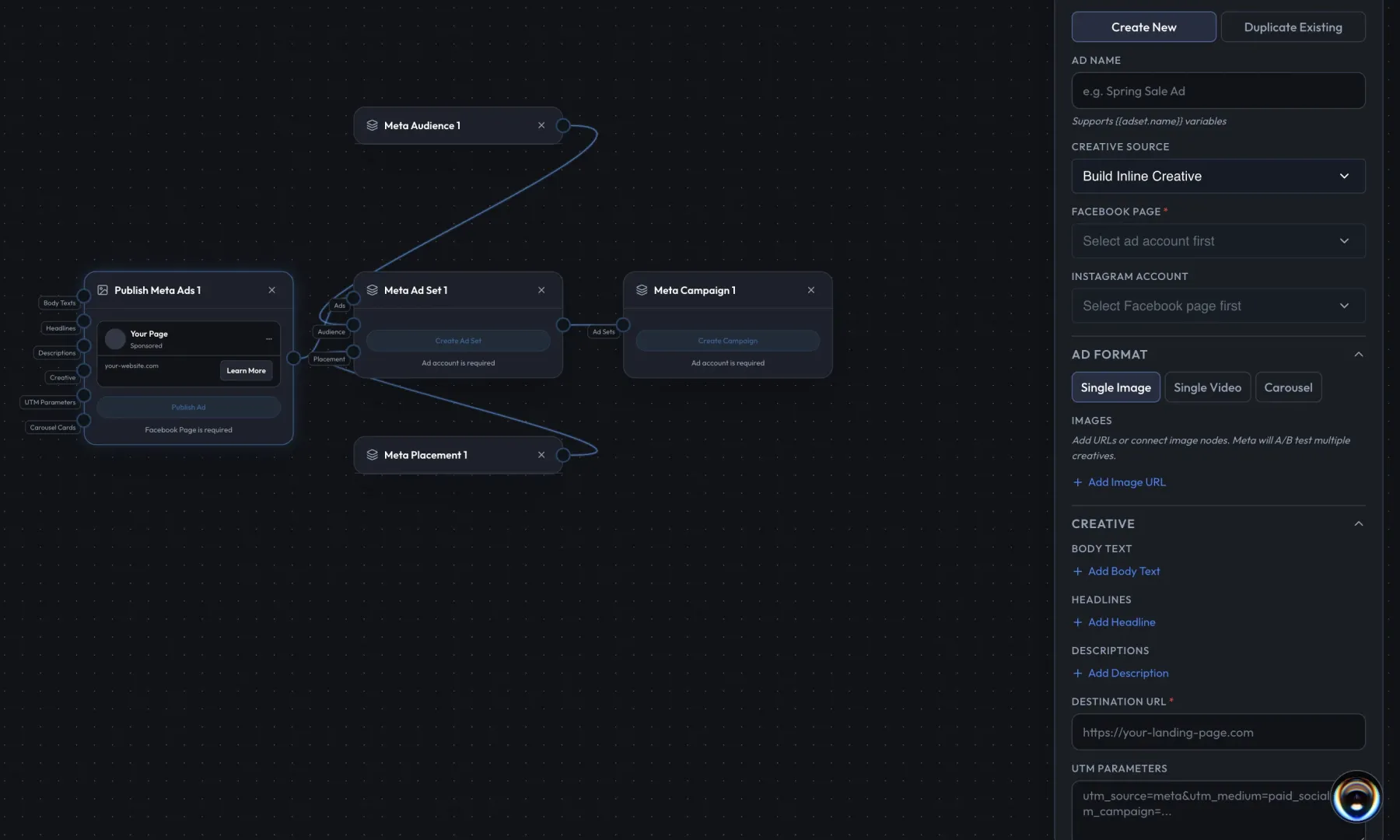
The last node is the one that closes the loop. Publish Meta Ads puts the finished cut into a campaign from the same graph that reasoned about it, so there is no handoff between the thing that decided the structure and the thing that ships it.
For the test pattern described earlier, that means fixing the shell once and varying only the script across six versions -- a few nodes rather than a few weeks.
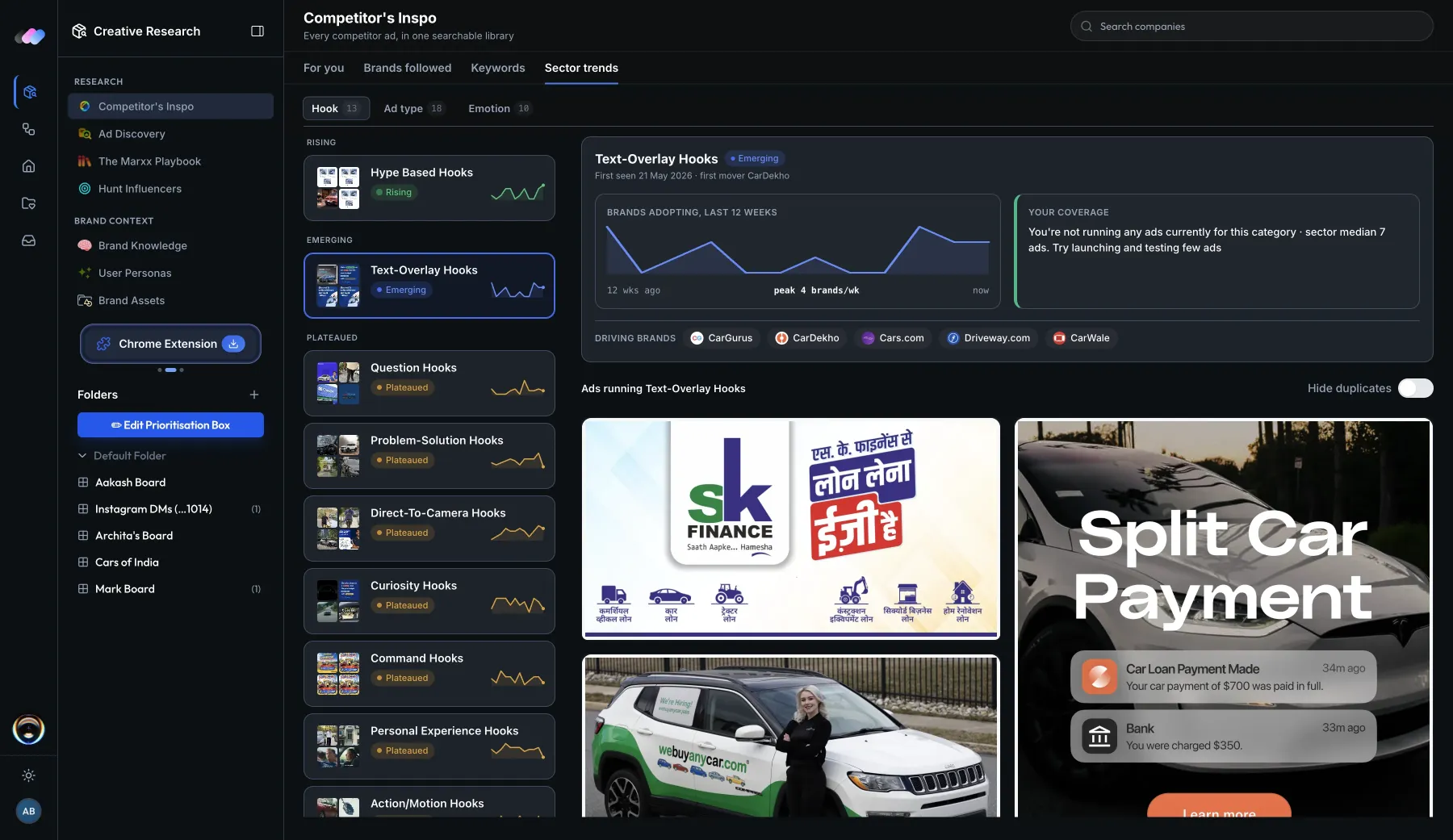
If you would rather start from what is already working in your category than from a blank canvas, the [creative intelligence side of Marxx](https://marxx.ai/#intelligence) reads hook type, ad type and offer structure across live ads, and you can ask it from Claude or ChatGPT through [the Marxx MCP server](https://marxx.ai/mcp) instead of opening a dashboard.
## What to do on Monday
Pick your best-performing static. Write its claim as a single sentence with a number in it. Put that sentence on screen as the opening frame of a video, keep the shell identical, and vary only the sentence across four versions.
That is the structure the longest-running video ads on Meta are using, and it costs less than the one that is not working.
**Trial the canvas: turn one brief into a finished ad.** [Start on the generation canvas](https://marxx.ai/book-a-demo) and build the first four versions from a single brief.
---
- [More Creative strategy articles](https://marxx.ai/posts/category/creative-strategy)
- [All articles](https://marxx.ai/posts)